Why a Home Needs Gutters: Benefits and Considerations
House gutters help protect a home by collecting roof water and guiding it away from the foundation, walls, doors, and landscaping. AGM Gutters can install seamless gutters and downspouts that match the home’s water flow needs.
3 years of local experience
Get a Free Estimate
What Do Gutters Do for a House?
House gutters collect roof runoff and guide it through downspouts away from the home. This flow helps keep water from falling beside the foundation.
Gutters are water channels along the roof edge. They collect rainwater and send it toward a planned drainage path. We check the roofline so the system can control water flow from each roof area.
AGM Gutters can plan your system through our Seamless Gutter Installation service. We match the gutter outlets and downspouts to the home’s drainage needs.
The Main Benefits of Gutters on a House
Gutters solve a simple water problem. They collect rainwater before it can wash against the home and nearby ground.
Each benefit depends on good gutter placement and a clear drainage path.
We place downspouts where water can leave the home safely. Our team also checks for spots where water could collect near doors, windows, or landscape beds.
What Happens When a House Has No Gutters?
A house without gutters lets roof water fall beside the walls, which can wash soil away and send moisture toward the foundation.
Uncontrolled roof runoff can create soil erosion near the home. It can also splash onto siding, cross walkways, and disturb landscaping.
Water that stays near the foundation can move toward lower areas around the house. We review the roof edge and ground slope to find where runoff needs better control.
Are Gutters Necessary on Every House?
Gutters are useful for most houses when roof water would otherwise collect beside the walls or foundation.
Roof design, roof overhang, and ground slope affect how rainwater moves. A wide overhang may move some water away, while a steep slope may send water toward one part of the yard.
We inspect the foundation area and roof edge before planning the system. Our goal is to control rainwater flow where the home needs it most.
How Downspouts Move Water Away From a Home
Downspouts carry water from the gutter channel toward a safer drainage area away from the home.
A downspout connects to a gutter outlet. It moves water down to a drainage path that can carry surface water away from the foundation.
We plan each outlet and downspout around the home’s slope and water flow. Our team checks that the discharge area won't send water back toward the walls.
What to Consider Before Installing Gutters
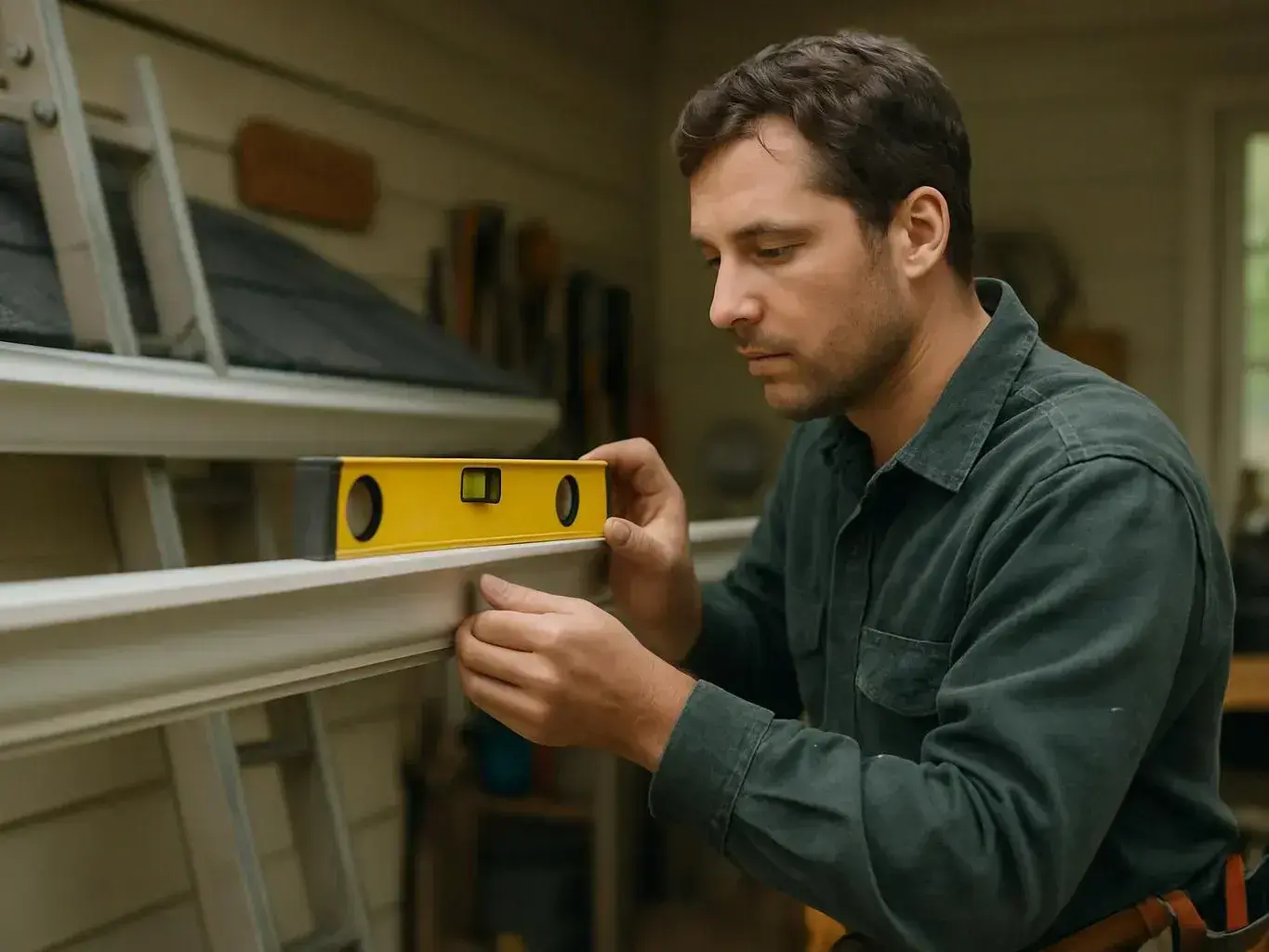
Gutter installation works best when the full roofline and drainage path are reviewed first. These choices affect how well the system handles roof runoff.
We use the home exterior and ground conditions to guide the layout.
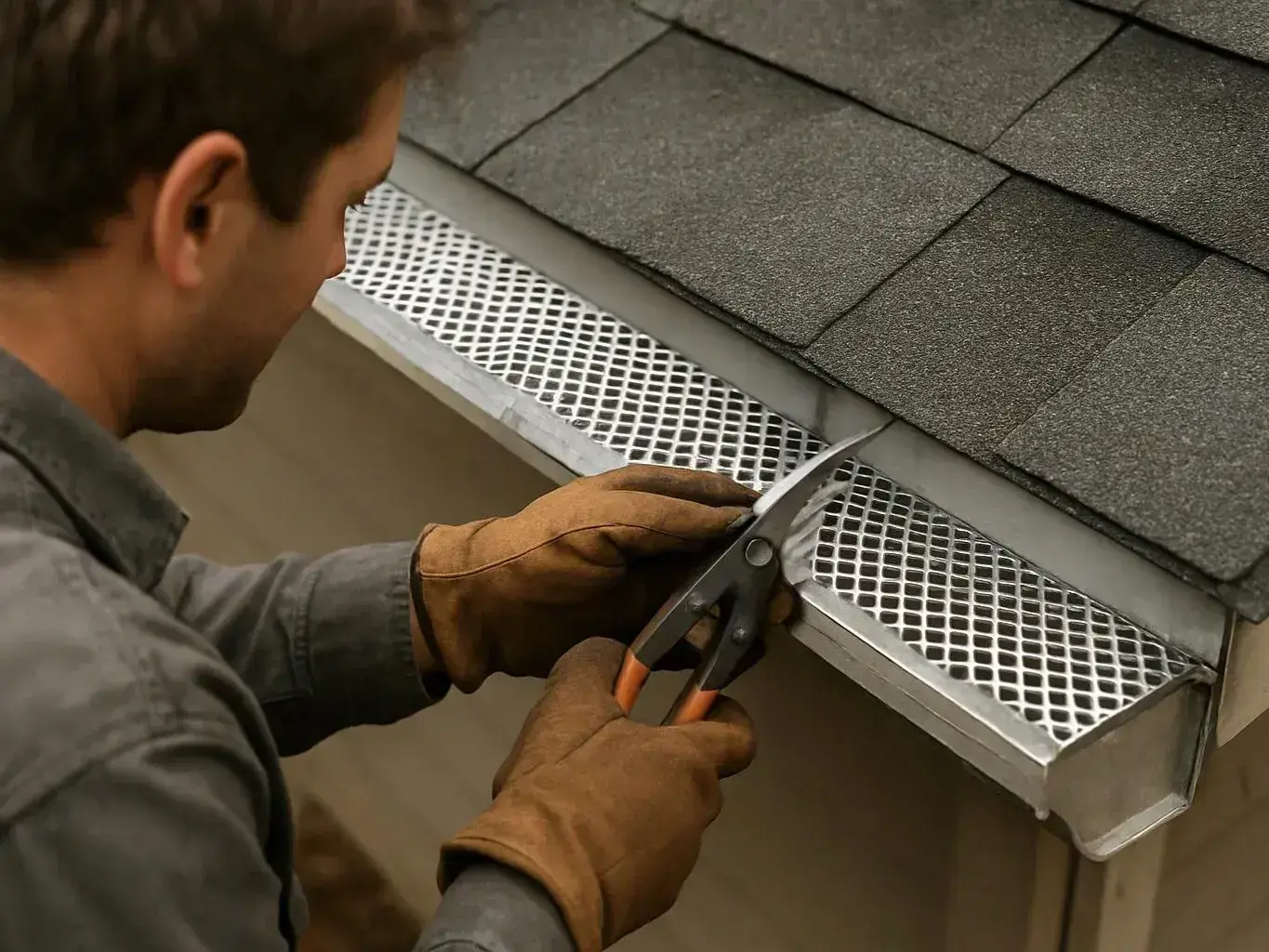
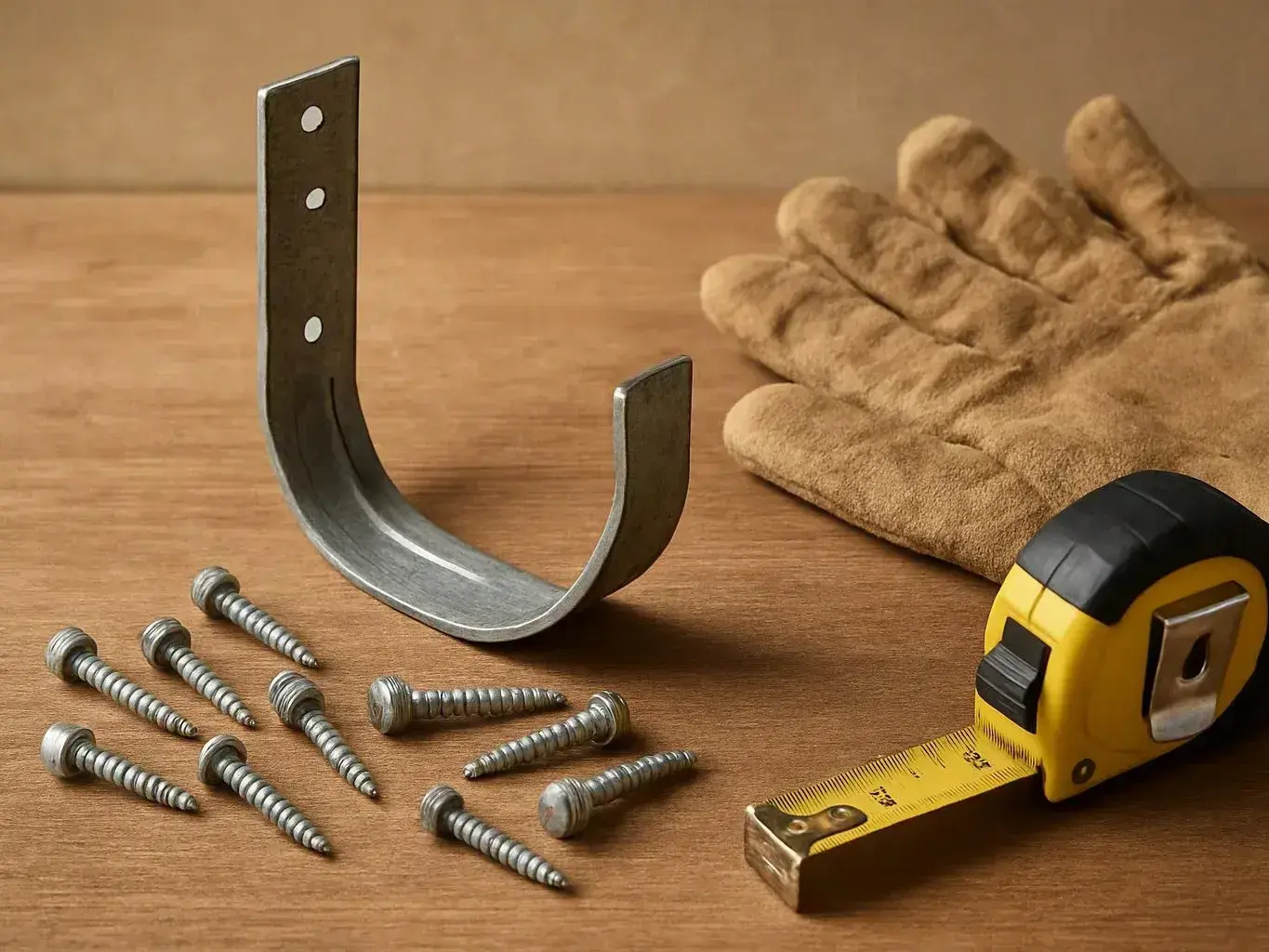
Our team also reviews gutter outlets, end caps, hangers, and elbows. Each part must support steady drainage flow.
How AGM Gutters Plans a Gutter and Downspout System
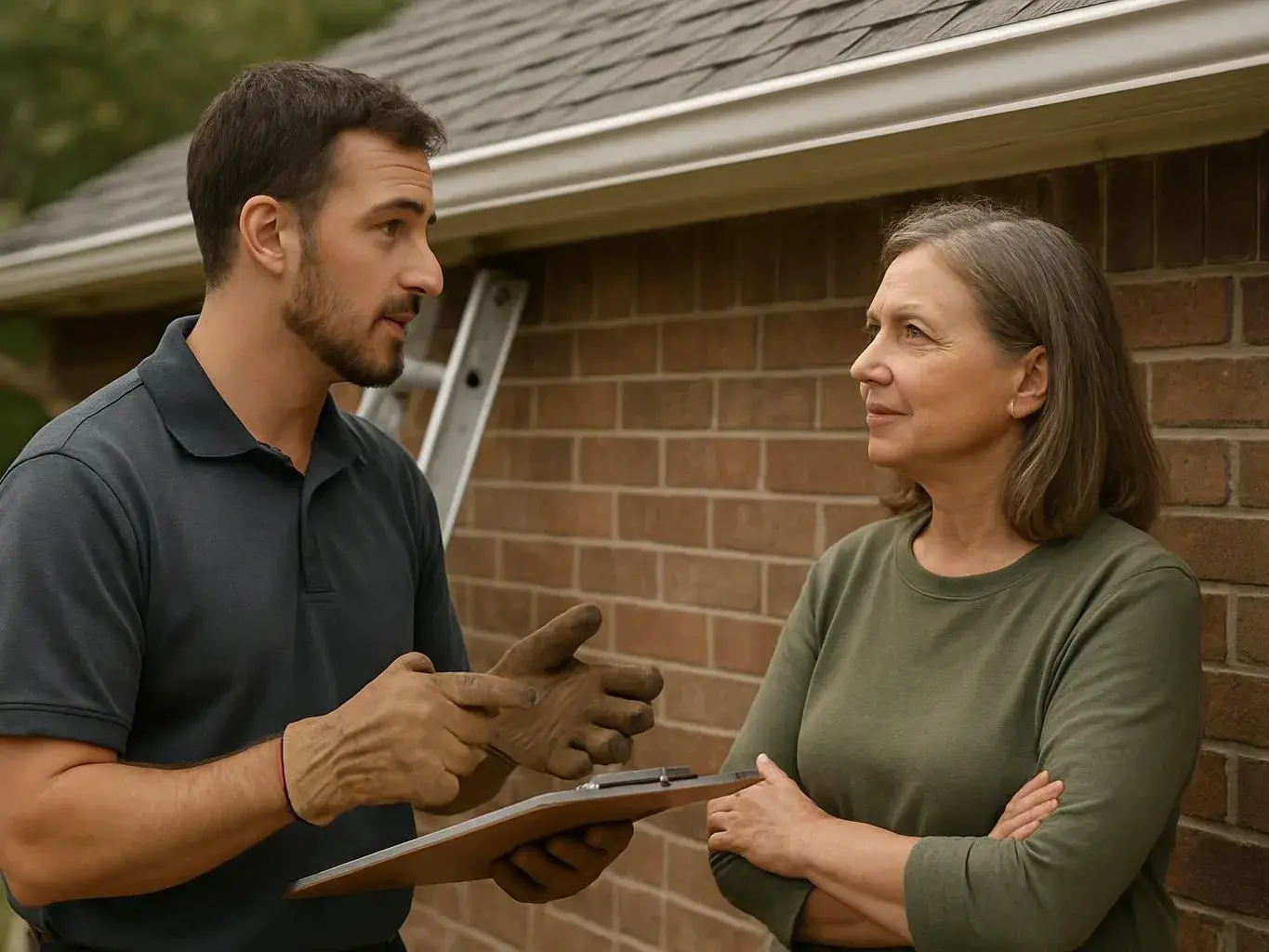
AGM Gutters plans each system around the roofline, water flow, and drainage needs of the home. We explain the work and what the estimate includes before installation.
We provide free estimates for planned gutter work. The estimate reflects the roofline, materials, gutter layout, downspout placement, and drainage conditions.
When Gutters Need Repair or Replacement
Gutters need repair or replacement when damage keeps water from reaching the downspouts.
Sagging gutters can hold water in the channel. Leaks may form at joints, end caps, or outlets. Rust can weaken the gutter material.
Clogs and downspout blockage can cause gutter overflow. Loose fasteners may also change the slope and stop water from draining well.
We inspect the full run to find the cause of the problem. Our crew repairs suitable parts or plans replacement when the system no longer supports safe drainage.
Choose Gutters That Fit Your Home
Seamless gutter installation and downspout installation can create a gutter system that fits the roof drainage needs of your home.
Good planning helps protect siding, landscaping, walkways, and the foundation. It also helps prevent water pooling beside the home.
We consider the roofline, home exterior, ground slope, and drainage path before we install. AGM Gutters can provide a free estimate for a system built around your home.
Questions About Why Homes Need Gutters
Do gutters help prevent foundation problems?
Yes, gutters help move roof water away from the foundation. AGM Gutters plans downspouts that guide water toward a safer drainage area.
Can gutters protect landscaping from roof runoff?
Yes, gutters can protect landscaping by reducing falling water and soil washout near the home. Downspout placement helps direct the flow away from landscape beds.
Do seamless gutters reduce leaks?
Yes, seamless gutters can reduce leak points because long gutter runs have fewer joints. Seams can still remain at corners, outlets, and end caps.
Where should downspouts drain?
Downspouts should drain toward a safe area that moves surface water away from the foundation. We choose the drainage path based on the roof runoff and ground slope.
AGM Gutters can review your roofline and plan the right gutter and downspout system. Request a free estimate through our contact page.
Related Resources
What Affects the Cost of a New Gutter Installation?
What It CostsGutter Replacement Costs: What to Include in Your Project Quote
What Goes With ItGutters, Fascia, and Soffits: How These Roofline Components Connect
What Comes AfterWhat to Check After Gutter Installation to Catch Problems Early