Gutter Guard Systems for Heavy Rain
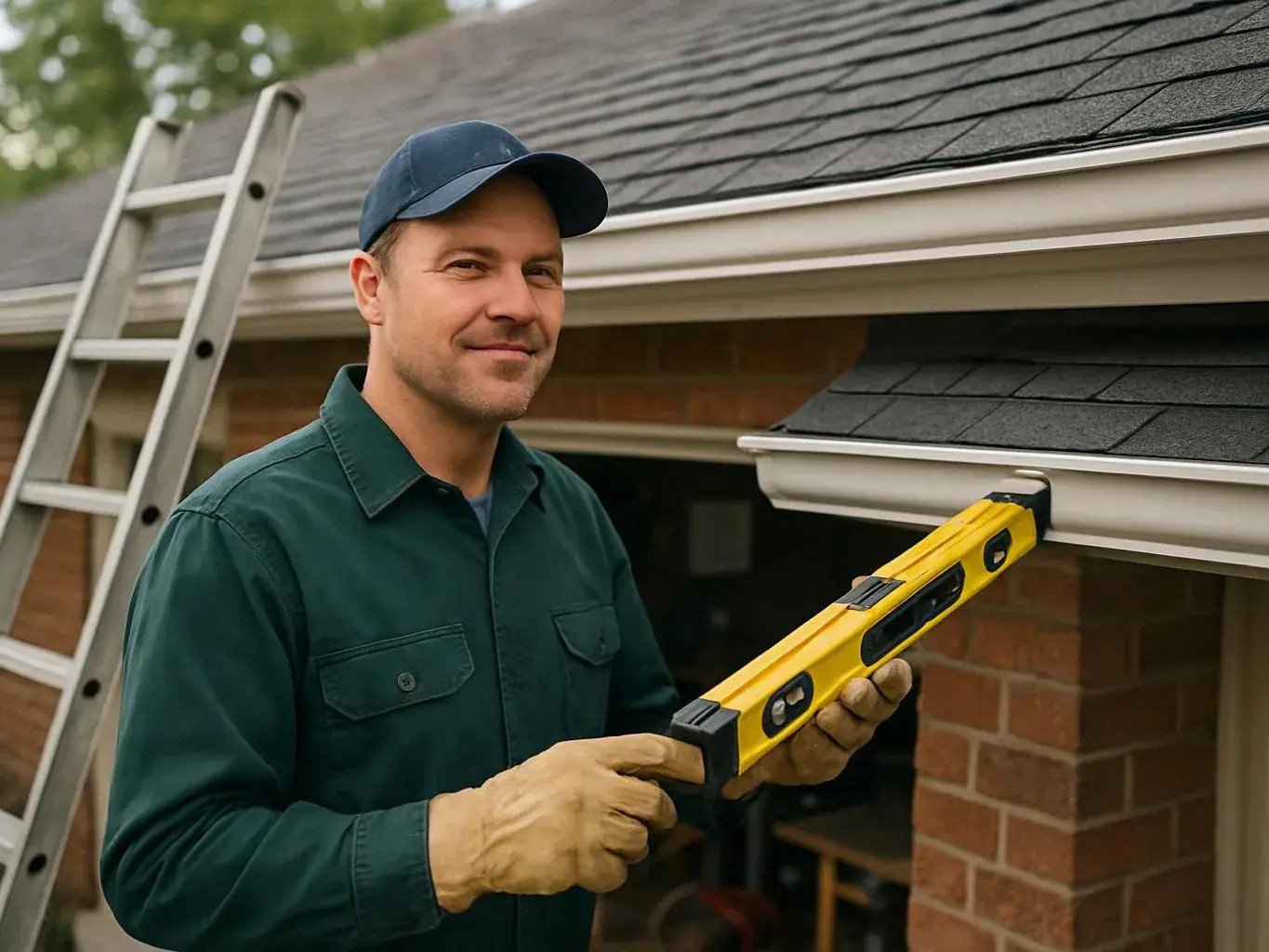
Gutter guard systems for heavy rain should prioritize water flow, secure installation, debris control and compatibility with the existing gutter system. AGM Gutters evaluates those conditions and installs gutter guards, seamless gutters and downspouts to create a complete drainage setup.
3 years of local experience
Get a Free Estimate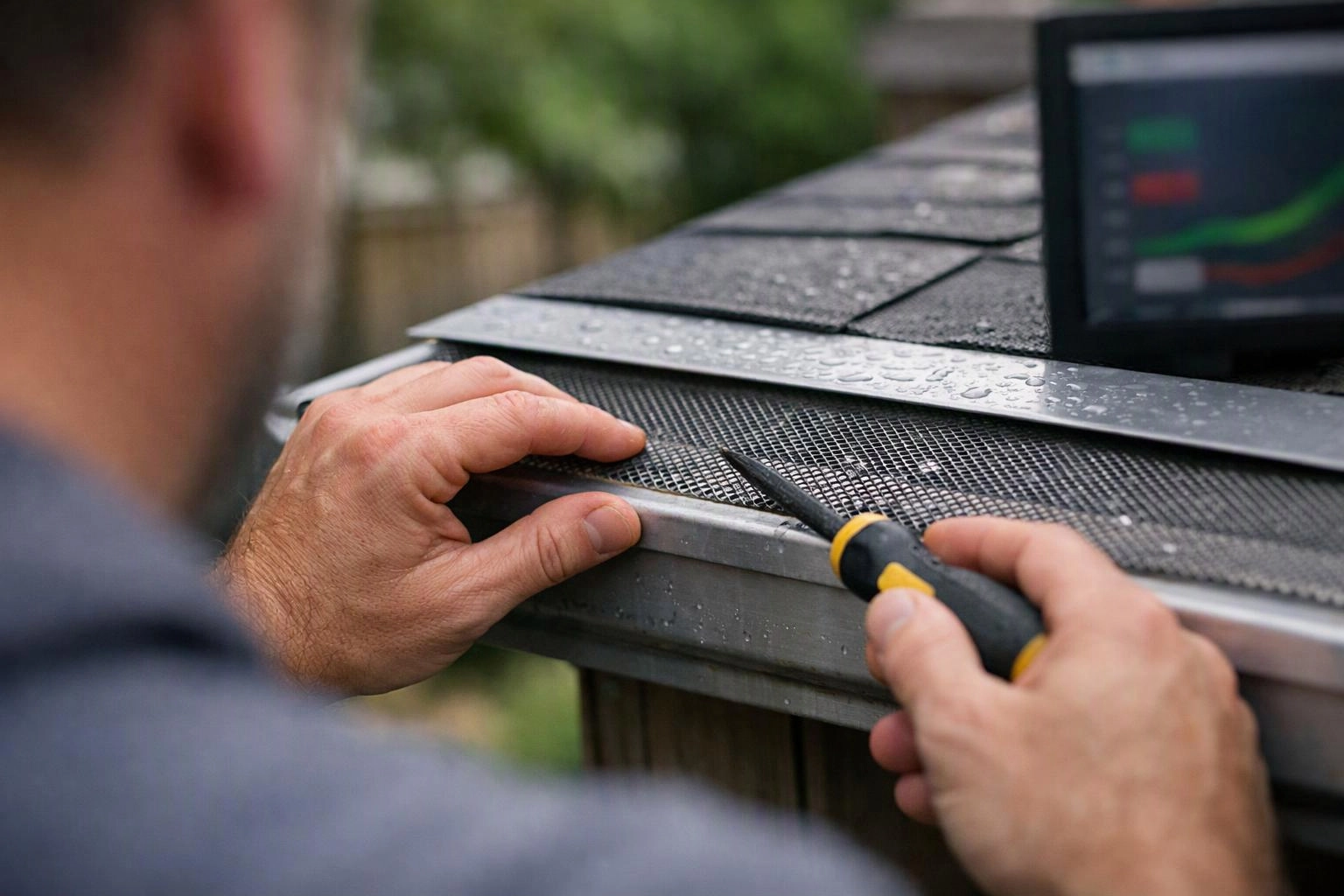
Which Gutter Guards Work Best in Heavy Rain?
Gutter guards that work well in heavy rain allow high water flow into a properly pitched gutter while resisting overflow, shifting and debris buildup.
Micro-mesh gutter guards can help control small roof debris while allowing rainwater into the gutter channel. Surface-tension guards guide water over a shaped cover, but their fit and roof pitch must suit the home.
We check the guard against the full gutter system. Our team also looks at how roof runoff reaches the gutter and how quickly the downspouts can discharge water.
Why Heavy-Rain Homes Need More Than Basic Debris Protection
Heavy rain tests every part of the roof drainage path. A guard can block leaves, but the home still needs enough gutter capacity and a clear path to the ground.
We assess the roof-to-ground path before recommending gutter protection. That approach helps us address rainwater management as a complete system.
What Features Matter Most in a Heavy-Rain Gutter Guard?
Heavy-rain gutter guards need features that support steady flow and secure attachment. We match those features to the existing roof drainage system.
Our crew checks the guard design, gutter channel and attachment points together. A strong filter surface cannot make up for poor slope or limited gutter capacity.
How Heavy-Rain Gutter Guard Needs Differ by Property
Homeowners facing heavy rain need gutter protection that matches the roof shape, runoff load and drainage layout. The right design can change from one property to another.
| What is being compared | Homeowners facing heavy rain | Other customers |
|---|---|---|
| Roof pitch | Needs a guard that handles fast runoff from steeper roof areas. | May have a wider choice when runoff is slower. |
| Roof area | Large roof areas may send more water to each gutter section. | Smaller roof areas may place less demand on the gutter channel. |
| Tree cover | Needs strong debris control when leaves meet heavy rainfall. | May need less filtering when roof debris is limited. |
| Gutter size | Must provide enough capacity for intense roof runoff. | May work with the existing capacity when runoff is moderate. |
| Downspouts | Need clear outlets and enough discharge capacity for strong storms. | May have fewer flow concerns when the roof drainage load is lower. |
We use these property factors to check gutter compatibility before installation. A guard should support the existing system, not hide a drainage problem.
Common Problems That Reduce Gutter Guard Performance
Gutter guard performance drops when the gutter or downspout cannot move water away from the roof. We look for the cause of poor flow before selecting a replacement or guard.
Our team checks the gutter channel, guard edges and downspout outlets as one system. We correct the underlying drainage issue when the guard alone cannot solve it.
How AGM Gutters Matches Gutter Guards to the Existing Drainage System
AGM Gutters matches the guard design to the roof runoff, gutter condition, gutter pitch and downspout capacity before installation.
Our team starts with a gutter inspection across the roofline. We check the gutter pitch, attachment points, end caps and downspout placement.
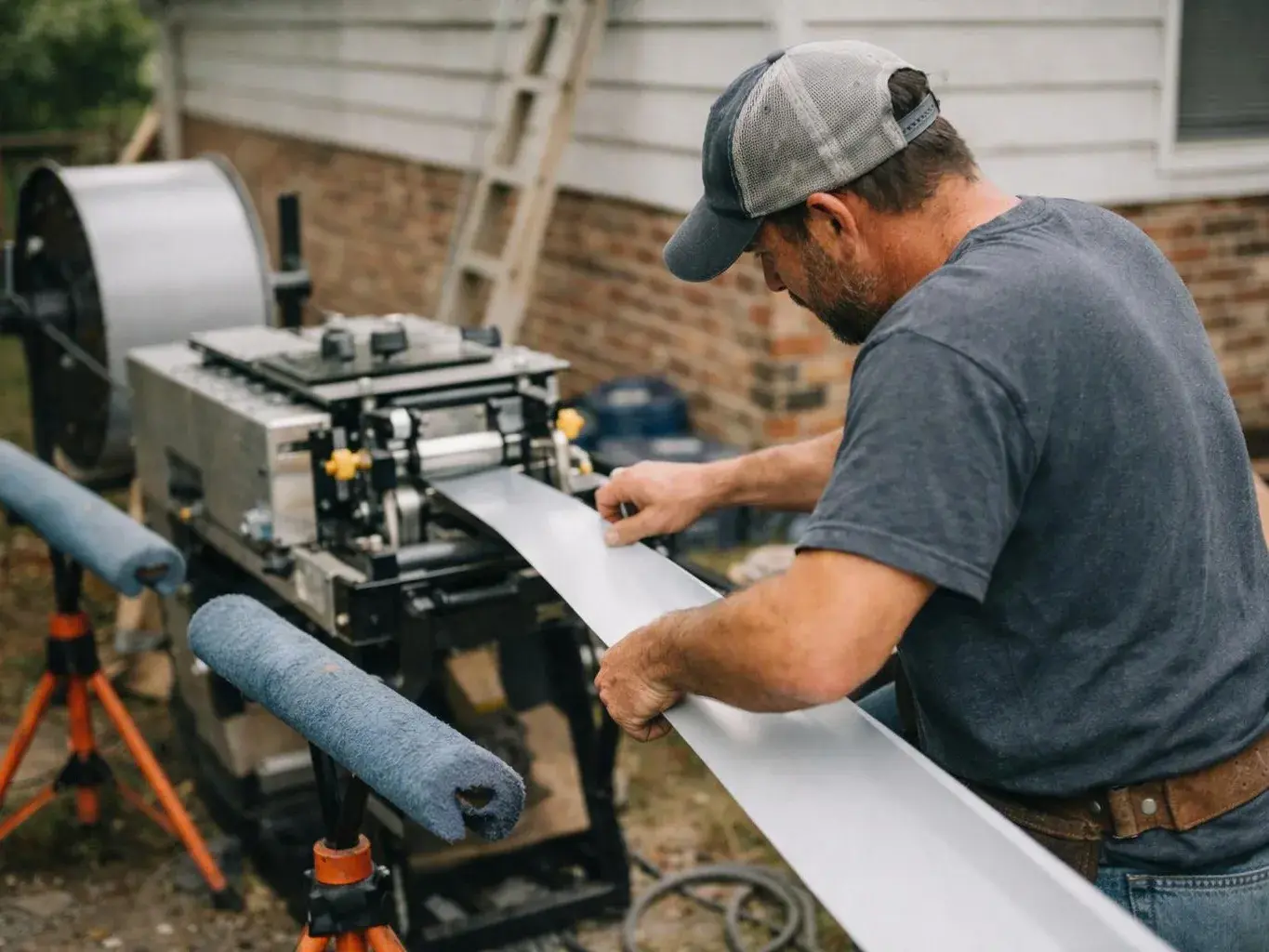
We also review whether the existing channels can manage the roof area during heavy rain. When replacement is needed, we can plan seamless gutters as part of the same drainage system.
Our goal is secure attachment, proper slope and clear water discharge. This keeps the gutter guard connected to the full roof drainage path.
When Gutter Guards Are Not Enough for Heavy Rain
Gutter guards cannot correct undersized gutters, poor slope or inadequate downspouts, so the drainage system may need additional work.
Downspout installation may help when water reaches the gutter but cannot leave the roofline quickly. Seamless gutter installation may be needed when the existing gutter capacity or condition is poor.
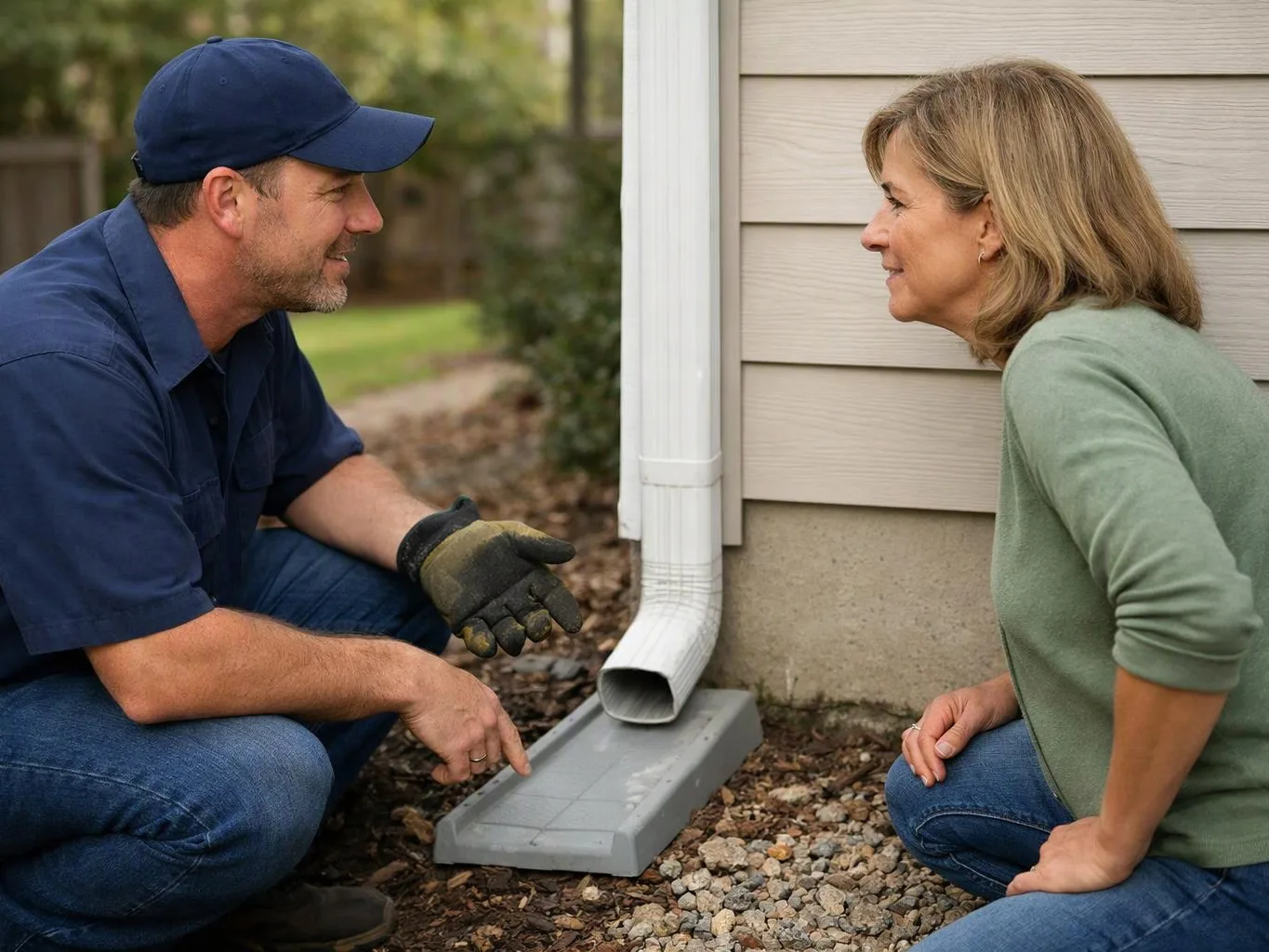
We also check the drainage path below each outlet. The right discharge point can reduce splashing near the foundation and help protect foundation drainage.
How to Choose and Plan a Heavy-Rain Gutter Guard Installation
Heavy-rain gutter guard planning starts with the roof and ends at the water discharge point. We use the following process to connect each decision.
Our estimate connects the guard choice to the condition of the complete system. We explain when the project also needs seamless gutters or downspout work.
What Changes the Cost of a Heavy-Rain Gutter Guard Project?
The cost of a heavy-rain gutter guard project depends on the guard design, roofline, gutter condition, access and any needed gutter or downspout work; AGM Gutters provides free estimates that explain the planned work.
Complex rooflines can require more fitting around corners, valleys and end sections. The gutter guard type also changes the attachment method and preparation needed.
Gutter replacement, downspout work and difficult project access can add to the scope. We review these conditions during the inspection so the estimate reflects the actual drainage needs.
Free Estimates Available. Contact AGM Gutters to discuss the roofline and request an estimate.
How Should Heavy-Rain Gutter Guards Be Maintained?
Heavy-rain gutter guards still need periodic inspection because debris can collect on the guard surface, at gutter edges or around downspout outlets.
Check the guard surface for roof debris after major storms when it is safe to do so. Look for water flowing over the edge, blocked outlets or signs of gutter overflow.
Our team can inspect water flow, guard attachment and the gutter channel when maintenance needs ladder work. We also check whether leaf buildup has changed the way rainwater enters the system.
Questions About Gutter Guards for Heavy Rain
Can gutter guards handle heavy rain without causing overflow?
Yes, gutter guards can handle heavy rain when the guard, gutter capacity, slope and downspout capacity match the roof runoff. AGM Gutters checks those conditions to reduce overflow risks.
Do gutter guards work with existing gutters?
Yes, gutter guards can work with existing gutters when the channels are sound, properly sloped and compatible with the guard design. We inspect the existing system before planning installation.
Do micro-mesh gutter guards need maintenance?
Yes, micro-mesh gutter guards still need inspection because fine roof debris can collect on the mesh, edges and downspout outlets. Maintenance helps confirm that water flow remains clear.
Can gutter guards fix an undersized downspout?
No, gutter guards cannot fix an undersized downspout. Downspout installation or other drainage work may be needed to move water away from the gutter system.
What should be inspected before installing gutter guards for heavy rain?
A roof inspection and gutter inspection should cover roof runoff, roofline condition, gutter pitch, gutter capacity, fasteners, downspout placement and the drainage path. We use those findings to plan a compatible guard installation.
Gutter guard systems for heavy rain work best when the guard, gutters and downspouts operate as one drainage system. AGM Gutters evaluates the roofline, explains the planned work and provides free estimates for the needed solution.
Contact AGM Gutters to plan your heavy-rain gutter guard project.
Get a Free Estimate