Best Seamless Gutter Installation Options for Residential, Multi-Family & Commercial Sites in AR
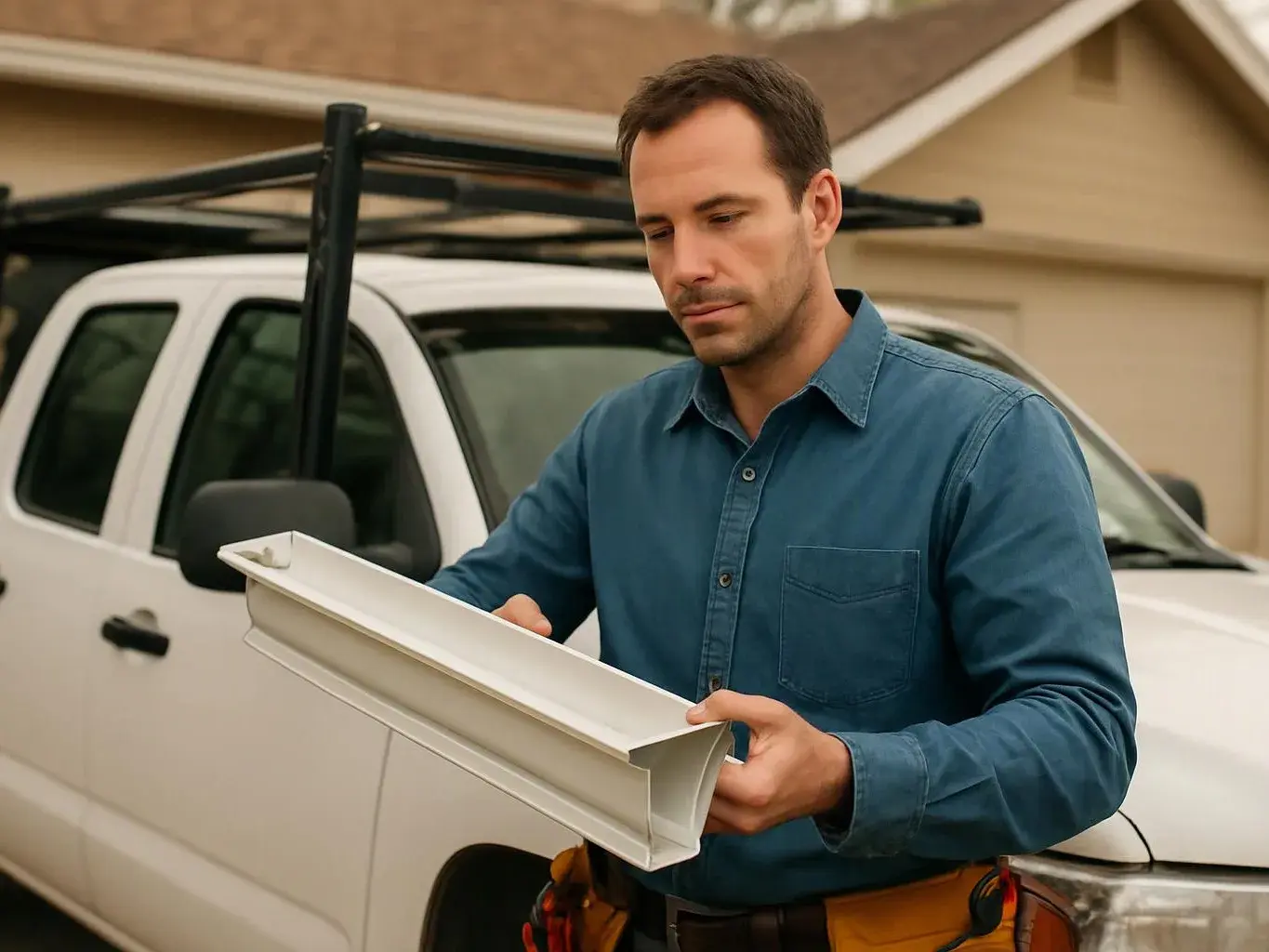
Seamless gutter installation options depend on building scale, roof design, drainage demands, and access; AGM Gutters plans and installs systems for residential, multi-family, and commercial sites.
3 years of local experience
Get a Free EstimateOptions at a Glance
Property type helps guide the first choice, but roof shape and water flow decide the final system. We match the gutter layout to the building and its drainage path.
Which Seamless Gutter System Fits Your Property?
The best seamless gutter system matches the property's roof area, building layout, water flow, exterior design, and maintenance needs. We review those factors before selecting the gutter profile and outlet plan.
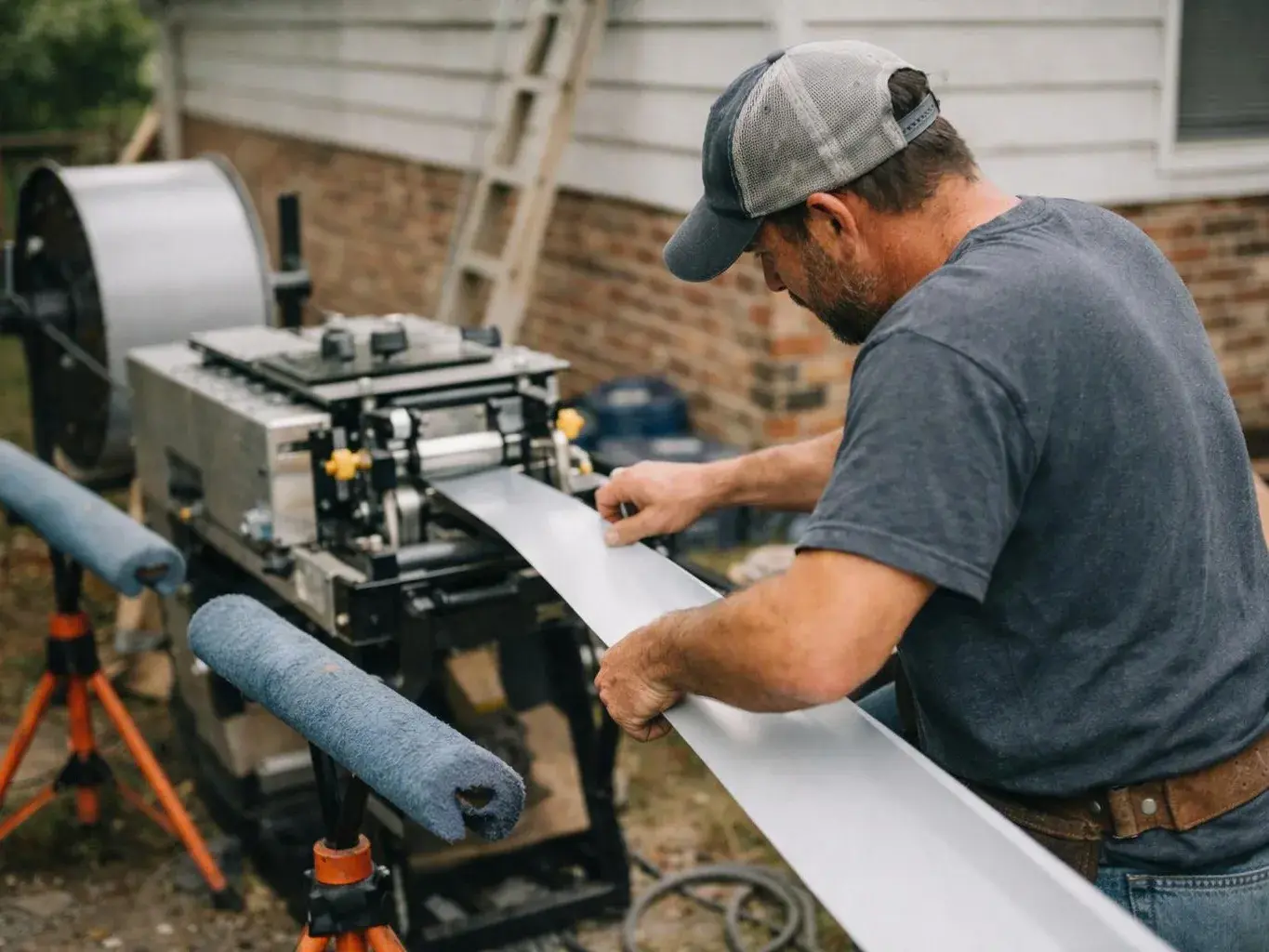
Seamless gutters are continuous runs formed for the roofline, with fewer joints across long sections. Our team uses the property assessment to plan roof drainage, downspouts, and water discharge as one system.
| Option / System | Best For | Typical Lifespan / Turnaround | Key Trade-Offs |
|---|---|---|---|
| Aluminum seamless gutters | Homes and many multi-family properties | Depends on material care and project scope | Lightweight and flexible, but the profile must suit roof runoff |
| Steel seamless gutters | Properties needing a stronger metal system | Depends on material care and project scope | Strong construction with added material and handling considerations |
| Commercial downspout system | Large or complex commercial roof drainage | Depends on roof access, layout, and drainage planning | Requires careful discharge planning and site protection |
Material selection is only one part of the decision. We also check gutter slope, hanger support, outlet locations, and the condition of the fascia.
1. Aluminum Seamless Gutters
Aluminum seamless gutters are a lightweight rainwater management option for many residential and multi-family rooflines. Aluminum systems are best for owners who want a flexible material with a clean exterior appearance.
We form the runs to match the roofline and connect them to a downspout plan that supports steady water flow.
2. Steel Seamless Gutters
Steel seamless gutters are a durable metal option for properties that need a firm gutter system. Steel systems are best for building owners who place added value on material strength and a solid installation.
Our crew checks the mounting surface and support plan so the gutter hangers work with the building structure.
3. Commercial Downspout Systems
Commercial downspout systems direct roof runoff from larger or more complex buildings to suitable discharge areas. Commercial systems are best for owners who need coordinated drainage capacity across several roof sections.
We plan downspout placement around walkways, entrances, landscaping, and the site's natural drainage path.
How Residential, Multi-Family, and Commercial Gutter Projects Differ
Residential, multi-family, and commercial gutter projects differ mainly in roof complexity, drainage planning, access, tenant coordination, and site protection. We shape the installation plan around how each property is used.
| Property type | Roofline | Downspout placement | Site access and drainage capacity |
|---|---|---|---|
| Single-family home | Often centered on one connected home layout | Planned around doors, paths, and landscaping | Access is usually tied to the home and yard |
| Multi-family building | May include shared or separate roof sections | Must account for entrances and tenant areas | Work may require coordination around occupied spaces |
| Commercial building | May include broad or complex roof geometry | Must direct water away from active site areas | Access, site protection, and drainage capacity receive added planning |
What Signs Show That a Property Needs New Gutters?
Visible overflow, structural movement, and water damage show that the gutter system may no longer control roof runoff effectively. We inspect the gutter runs, fascia boards, and discharge areas to locate the source.
What Commonly Causes Gutter Performance Problems?
Gutter performance problems commonly come from poor water-flow planning, restricted outlets, and components that no longer support the roofline. Our team checks the full system before recommending repairs or replacement.
How Can You Prevent Gutter Problems?
Regular cleaning, clear downspouts, visible drainage paths, and timely inspections help prevent avoidable gutter failures. We can assess the system when cleaning or repair needs point to a larger drainage issue.
Which Gutter Materials and Components Should You Consider?
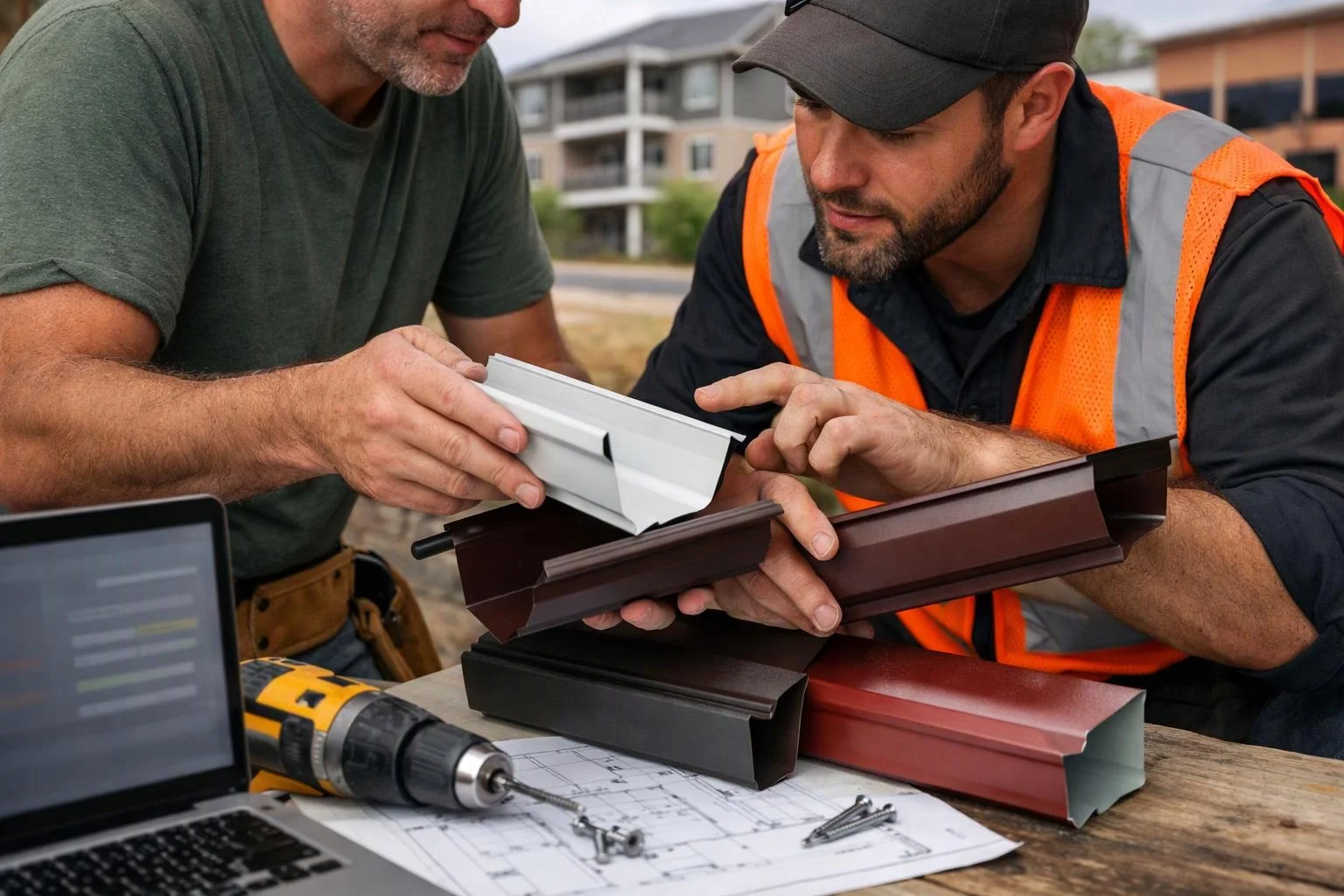
Gutter material, profile, hanger placement, outlets, downspouts, and optional guards should be selected together as one drainage system. We help match aluminum gutters or steel gutters to the roofline and its water-flow needs.
K-style gutters, half-round gutters, and box gutters each create different visual and flow characteristics. End caps close the gutter runs, outlets connect the runs to downspouts, and elbows guide water around building details.
Gutter guards can reduce debris entering the system, but they still need to fit the roofline and support a practical maintenance plan. We check the complete assembly instead of treating guards as a separate fix.
What Does AGM Gutters Check Before Installation?
AGM Gutters checks the roofline, mounting surfaces, water-flow paths, discharge areas, and site access before preparing a seamless gutter installation plan. Our team looks at how each part will work during real roof runoff.
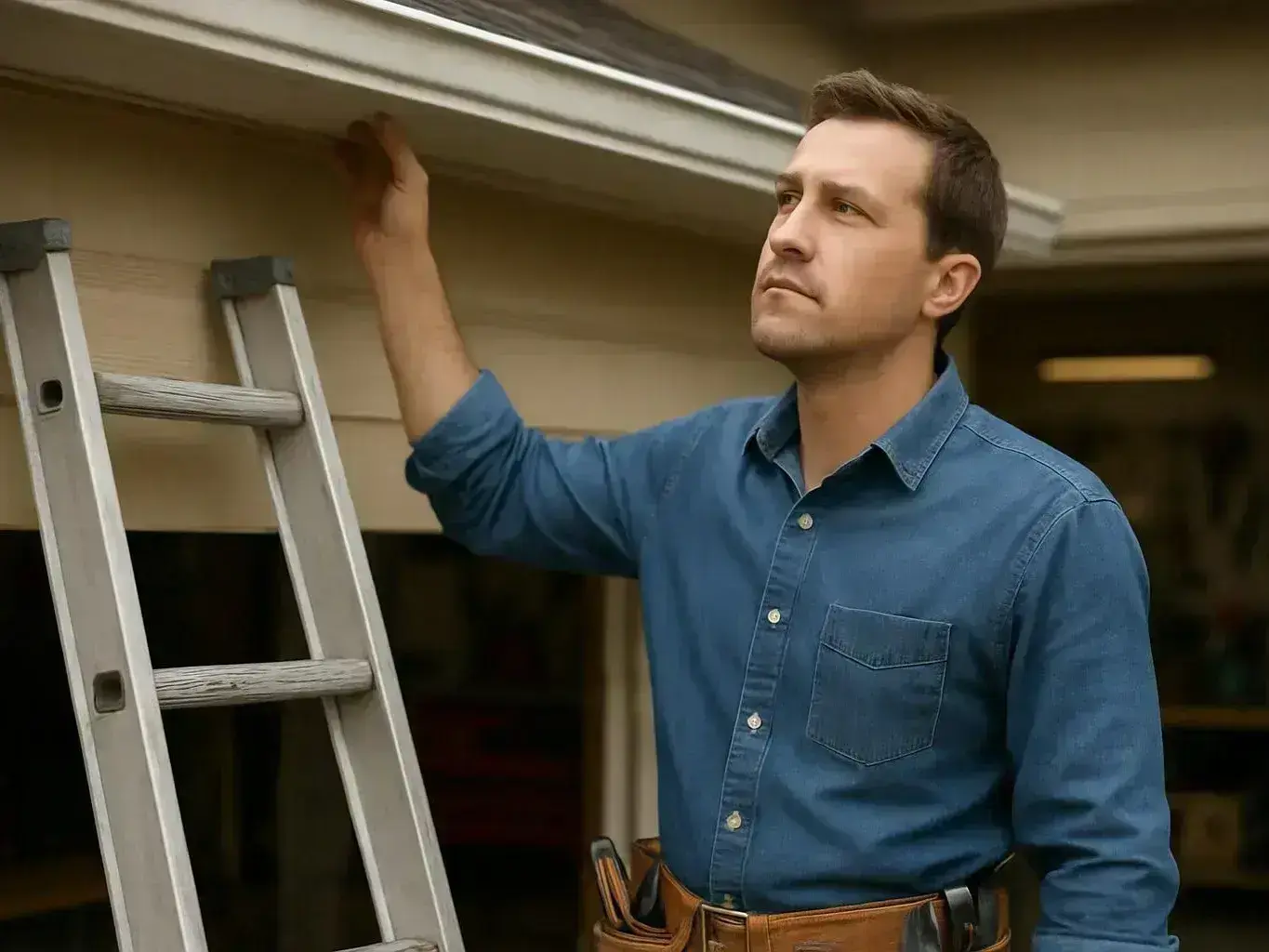
We inspect the fascia and soffit, note access constraints, and plan protection around landscaping, walkways, and occupied areas. The final scope reflects the drainage path, downspout discharge, and condition of the building surfaces.
How Does the Seamless Gutter Installation Process Work?
The seamless gutter installation process moves from site assessment and measurements to fabrication, installation, and a final drainage check. We keep the project plan tied to the roofline and the property's drainage needs.
For service details, see Seamless Gutter Installation.
What Changes the Scope of a Gutter Installation Project?
Project scope changes with roof geometry, building height, gutter runs, mounting-surface condition, downspout planning, and site access. We use these details to define the materials, labor, protection, and drainage work included in the estimate.
A complex roof geometry may need more outlets or careful transitions. Fascia condition can affect how the hangers attach, while access constraints can change how our crew protects the property during installation.
How Do You Request an Estimate for Your Property?
AGM Gutters provides Free Estimates Available after reviewing the property's roofline, drainage needs, access, and installation scope. We explain the planned gutter materials, downspout layout, mounting surfaces, and water discharge approach.
Share the property type and the main drainage concern when you contact us. Our team can then focus the property assessment on the roof areas and site conditions that shape the work.
Request a property assessment for your seamless gutter installation project.
How to Choose a Seamless Gutter Installation Plan
A sound installation plan connects the gutter system to the building, the site, and the expected roof runoff. Use these checks when reviewing the scope with our team.
Questions About Choosing Seamless Gutters
Are seamless gutters suitable for multi-family buildings?
Yes, seamless gutters are suitable for multi-family buildings when the roofline, tenant areas, access, and downspout placement are planned together. AGM Gutters reviews shared roof sections and discharge paths before installation.
What should commercial property owners check before installing seamless gutters?
Commercial property owners should check roof geometry, drainage capacity, building access, fascia condition, downspout discharge, and site protection needs. We use those details to define the commercial gutter installation scope.
Can seamless gutters be installed on an existing roofline?
Yes, seamless gutters can be installed on an existing roofline when the fascia, soffit, access, and drainage path can support the planned system. We inspect those conditions before measuring and fabricating the new runs.
Where should commercial downspouts discharge water?
Commercial downspouts should discharge into planned drainage areas that protect foundations, walkways, entrances, landscaping, and active site zones. We review the drainage path and site layout before setting each discharge point.
What does a seamless gutter estimate include?
A seamless gutter estimate includes the planned gutter runs, material choice, gutter profile, hangers, end caps, outlets, downspouts, access needs, fascia condition, and discharge planning. We provide Free Estimates Available after reviewing the property.
AGM Gutters can review your roofline, drainage path, access, and project scope for a clear seamless gutter installation plan.
Request your estimate