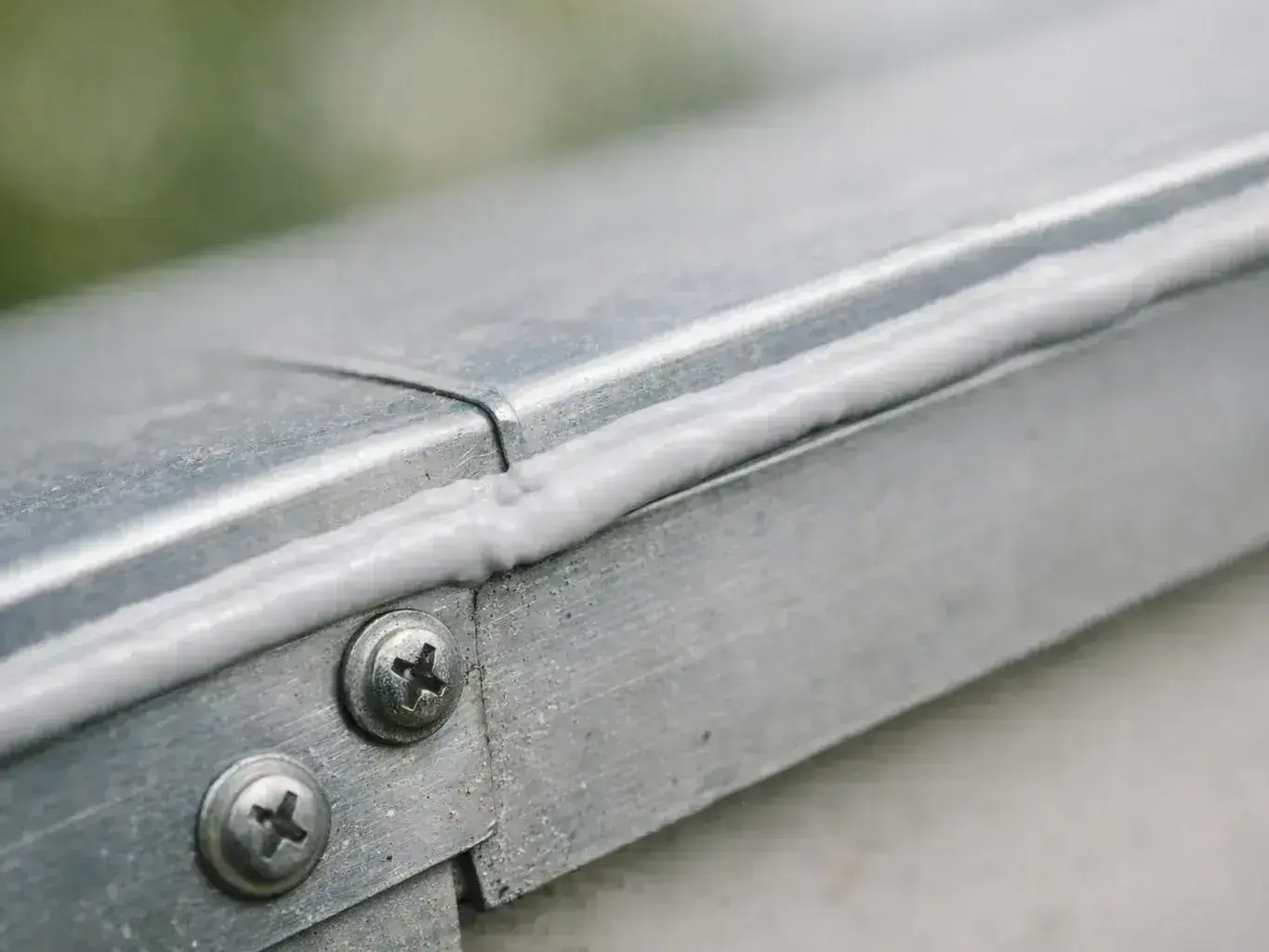
Downspout Installation Process: How Proper Drainage Paths Are Planned
Downspout installation process planning starts with inspecting the roof and property, mapping water flow, choosing outlet locations, installing connected components, and testing discharge; AGM Gutters handles the work from drainage assessment through final cleanup.
3 years of local experience
Get a Free EstimateWhat the Downspout Installation Process Accomplishes
Downspout installation moves roof runoff from gutters toward suitable discharge areas while reducing uncontrolled water near the building.
A downspout is a drainage component that carries water from a gutter system to the ground or another planned outlet. We connect the parts so roof runoff follows a controlled drainage path.
Good placement supports foundation protection by keeping water away from the building. Our team also considers walkways, landscaping, soil, and areas where water could pool.
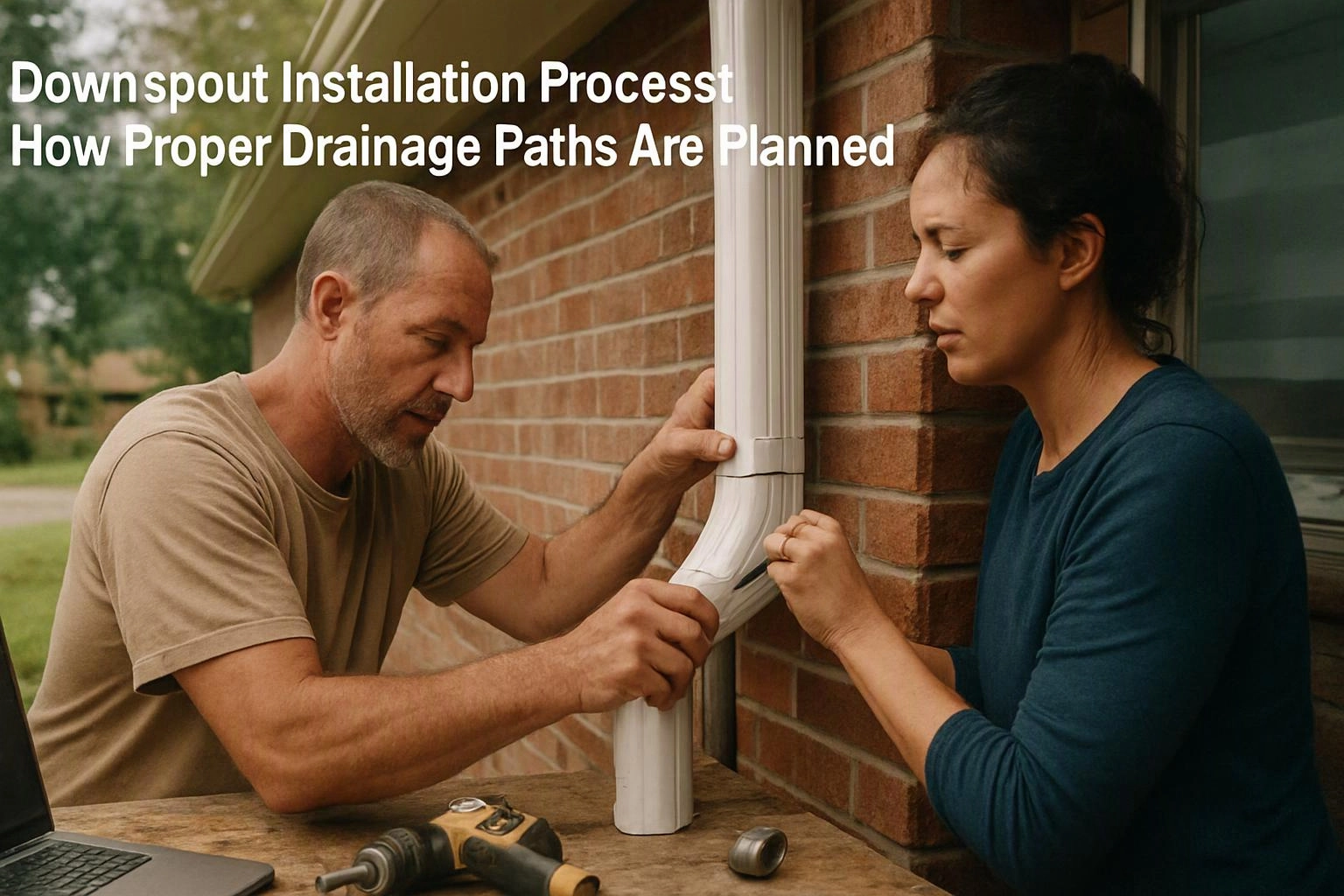
How We Prepare the Property for Downspout Installation
Property preparation identifies where water collects, where outlets can connect, and which discharge routes can carry runoff away from the structure.
We review the roofline and existing gutter drainage before choosing a route. The inspection also shows how property grade, soil conditions, landscaping, and existing drainage may affect water flow.
| Property area | What we check | Why it matters |
|---|---|---|
| Roofline | Roof edges and gutter direction | Shows how roof runoff reaches each gutter section |
| Gutter outlets | Available connection points and outlet condition | Helps us plan a secure downspout connection |
| Property grade | Slope and low areas near the building | Helps guide water away from the foundation |
| Soil and landscaping | Soft soil, planting beds, and areas prone to erosion | Helps reduce washout and landscape damage |
| Existing drainage | Drains, buried lines, and current discharge routes | Prevents conflicts with the planned drainage path |
After this review, we select a route that fits the building and the property. The plan may use an extension, splash block, or buried drainage when the site calls for it.
What to Do Before the Downspout Work Begins
Preparing the work area helps our crew reach the gutter line and protects items near the drainage route.
Customers can complete these simple tasks before our team arrives. We will review property concerns with you before work begins.
Our crew then confirms the planned access path and protects the areas that need attention. Clear access helps us keep the installation organized from the gutter outlet to the discharge end.
What Are the Steps in the Downspout Installation Process?
The downspout installation process includes inspecting the site, planning the route, preparing the gutter connection, installing the downspout, directing the outlet, securing the system, and testing water flow.
Our team follows the drainage route from the roofline to the ground. Each step helps the gutter system move water in a controlled way.
Water-flow testing confirms that the route works as planned. We make adjustments when water does not leave the discharge point cleanly.
How We Choose a Safe Downspout Discharge Route
A safe downspout discharge route directs water away from the foundation and high-traffic areas without creating avoidable erosion or pooling.
We look at the property slope before selecting the discharge point. The route should not send water across walkways or driveways where it can create a slip or surface problem.
Soil erosion can occur when water leaves the downspout with too much force. Our team may use a splash block to spread the flow or a buried drainage line to carry water farther from the building.
We also check the discharge end after water-flow testing. This confirms that water leaves the system without backing up toward the foundation or collecting beside the structure.
When Downspout Repair or Seamless Gutter Installation Is Needed
Downspout repair addresses damaged or disconnected drainage components, while seamless gutter installation can provide a coordinated gutter and outlet layout when the existing system cannot drain effectively.
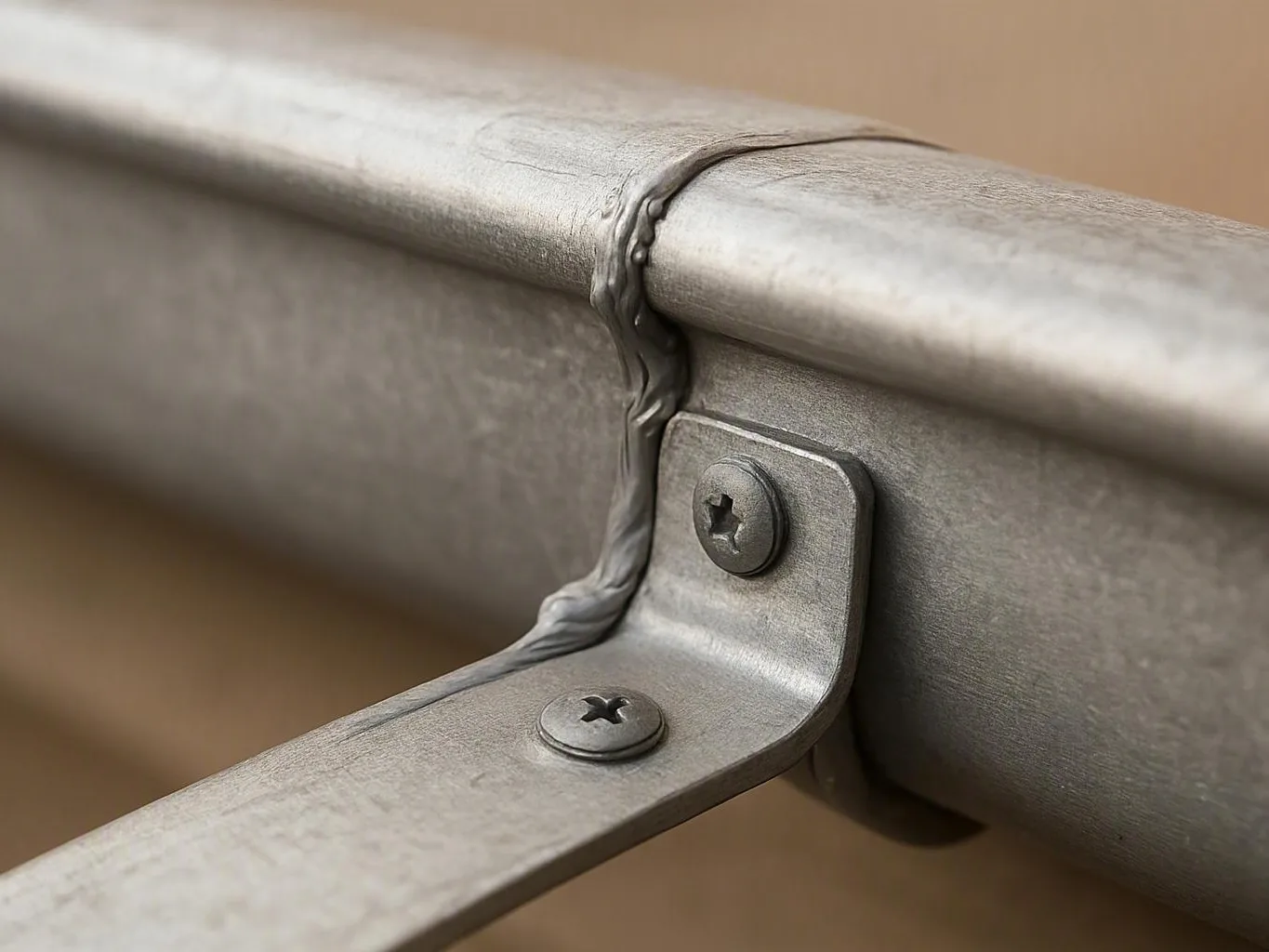
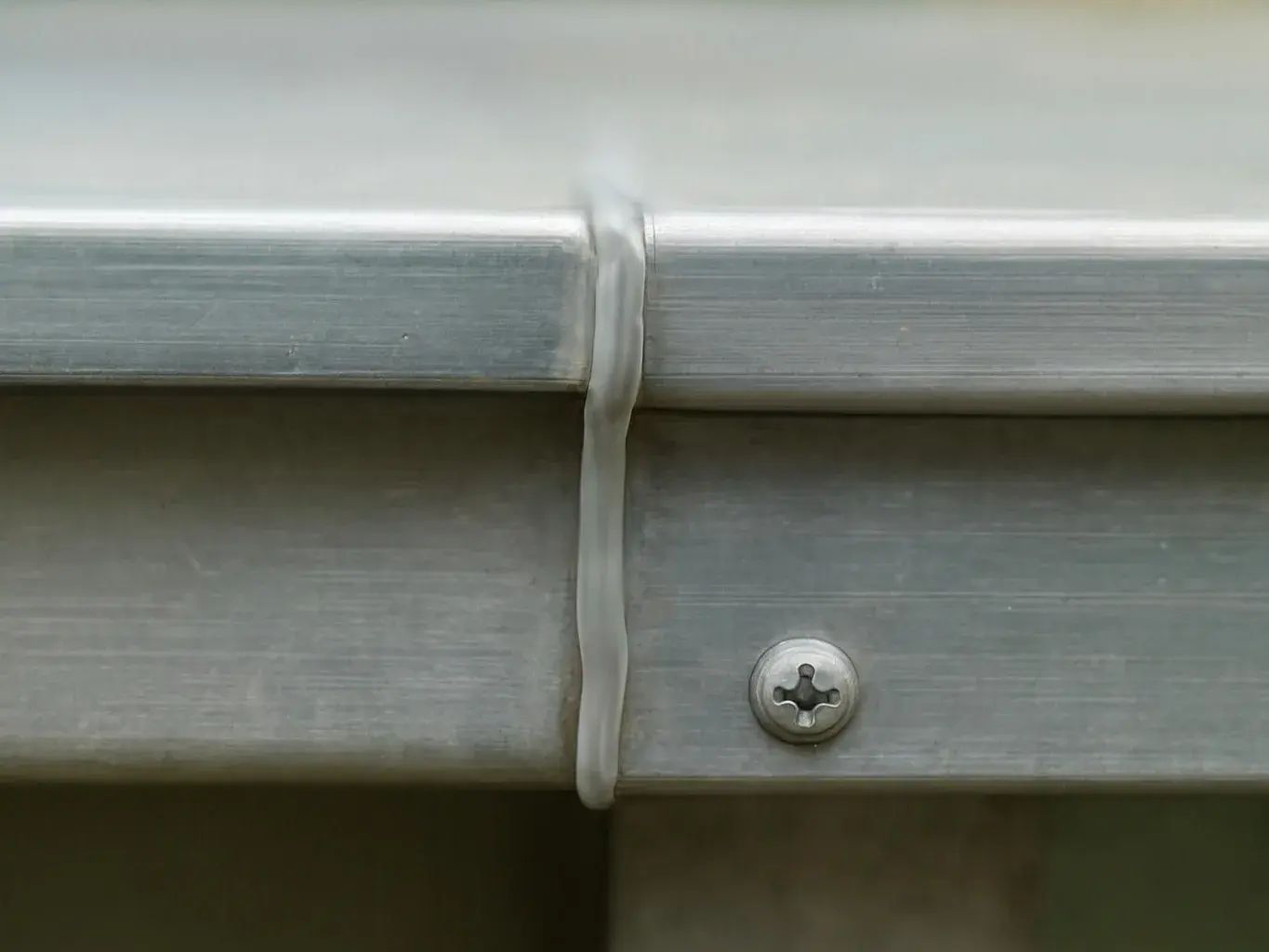
A leaking joint, loose downspout, or clogged outlet can interrupt the drainage path. We inspect the connection, gutter pitch, and discharge route before deciding whether repair can restore proper flow.
Gutter overflow may also point to a larger problem with the gutter system. When the existing channels or outlets cannot support proper drainage, we can coordinate gutter replacement with a new downspout layout.
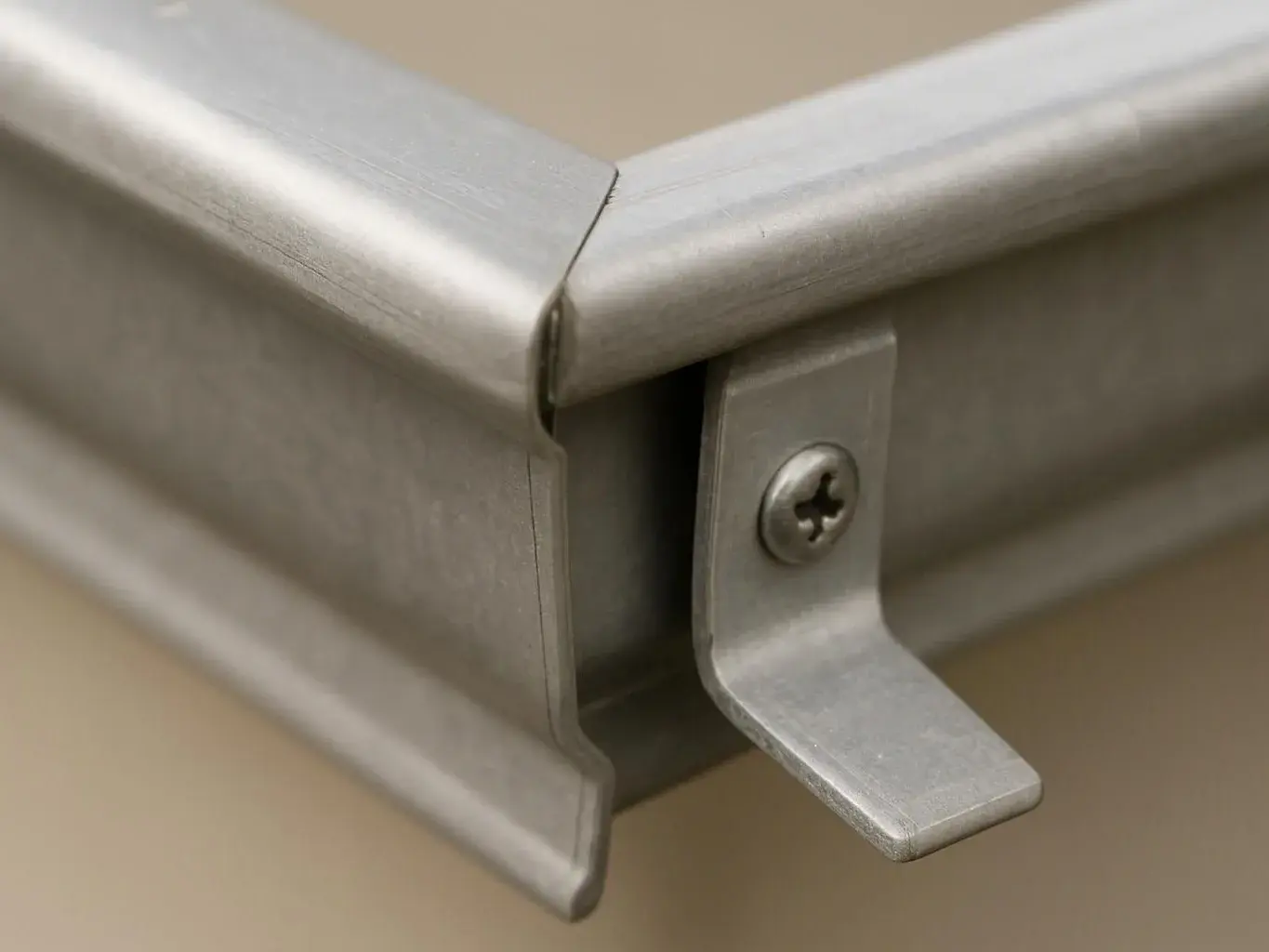
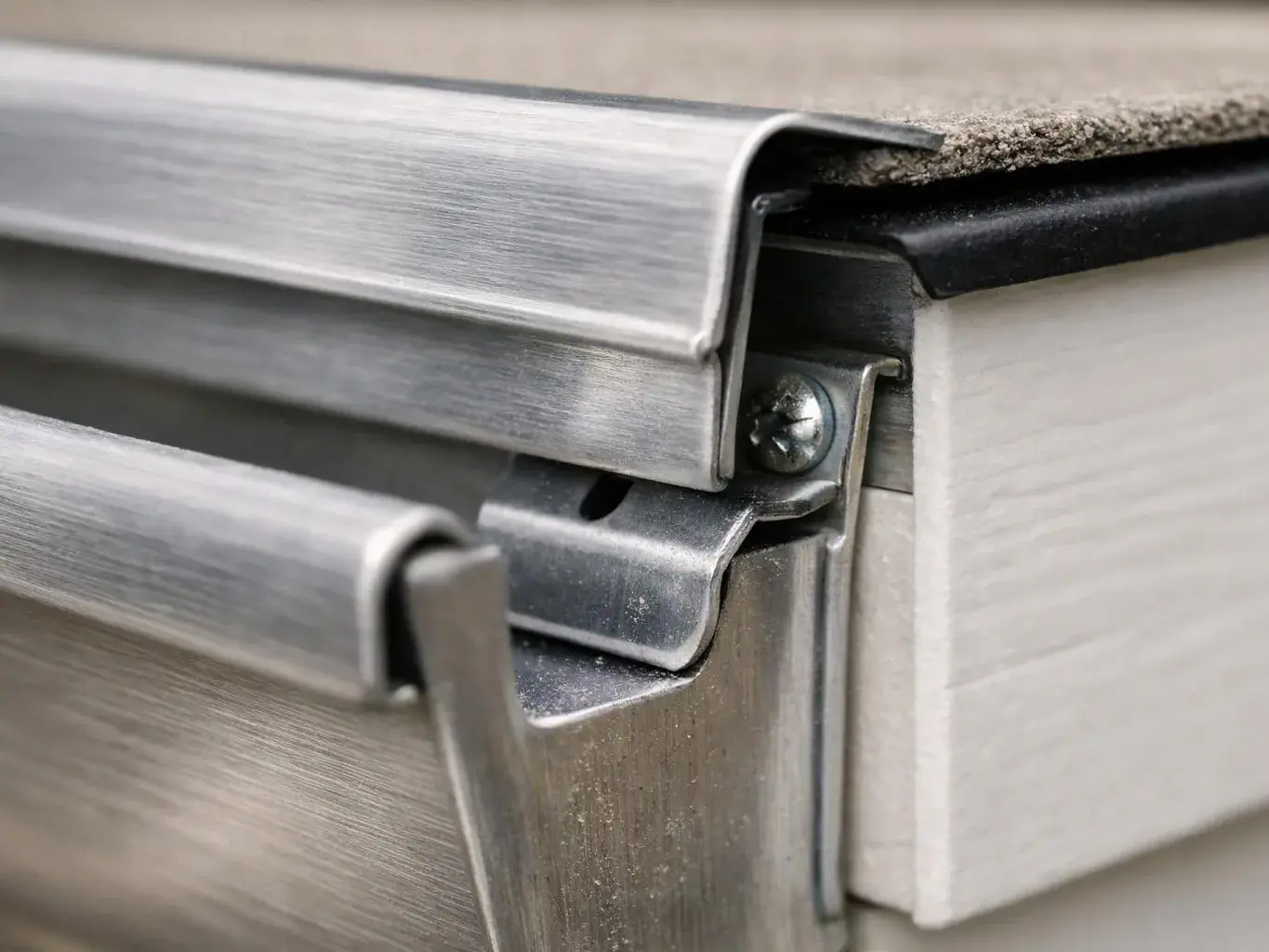
Our team checks how the gutter, outlet, elbows, fasteners, and downspout work together. This keeps the repair or seamless gutter installation focused on the source of the water problem.
How the Estimate Covers Your Downspout Project
Project cost depends on the existing gutter condition, route complexity, materials, access, and whether the work involves installation, repair, or coordinated gutter replacement; AGM Gutters provides Free Estimates Available after assessing the project.
We review the project assessment, drainage route, materials, labor, and access needs before preparing the estimate. The estimate can also address downspout repair or seamless gutter installation when those services are part of the drainage plan.
To request an exact quote, contact our team so we can assess the gutter system and planned discharge point. We will explain the work included and how each part supports proper drainage.
Contact AGM Gutters about your downspout project
AGM Gutters can review your drainage needs and help plan a controlled route from roof runoff to safe water discharge.
Questions About the Downspout Installation Process
How do you choose where a downspout should discharge water?
AGM Gutters chooses a discharge point by reviewing the foundation, property slope, soil, walkways, driveways, and existing drainage. We direct water away from the building while reducing pooling and erosion.
Can a downspout connect to an existing gutter system?
Yes, a downspout can connect to an existing gutter system when the gutter outlet, pitch, condition, and planned route support proper drainage. We inspect the connection before installing or adjusting the downspout.
What should you check when a downspout keeps overflowing?
A downspout that keeps overflowing needs a check of the gutter outlet, clogs, gutter pitch, joints, alignment, and discharge route. We use water-flow testing to identify where the drainage path is restricted or disconnected.
When should downspout repair be coordinated with seamless gutter installation?
Downspout repair should be coordinated with seamless gutter installation when damaged gutters, poor pitch, leaking joints, or weak outlets prevent the existing system from directing water properly. We can plan the gutter and downspout layout as one drainage system.