Gutter Guard Installation Mistakes That Lead to Clogs and Overflow
Gutter guard installation mistakes that cause clogs and overflow include poor sizing, open edges, incorrect slope, weak fastening, blocked downspouts, and skipped maintenance; AGM Gutters checks the guard, gutter, and drainage path to correct these problems.
3 years of local experience
Get a Free Estimate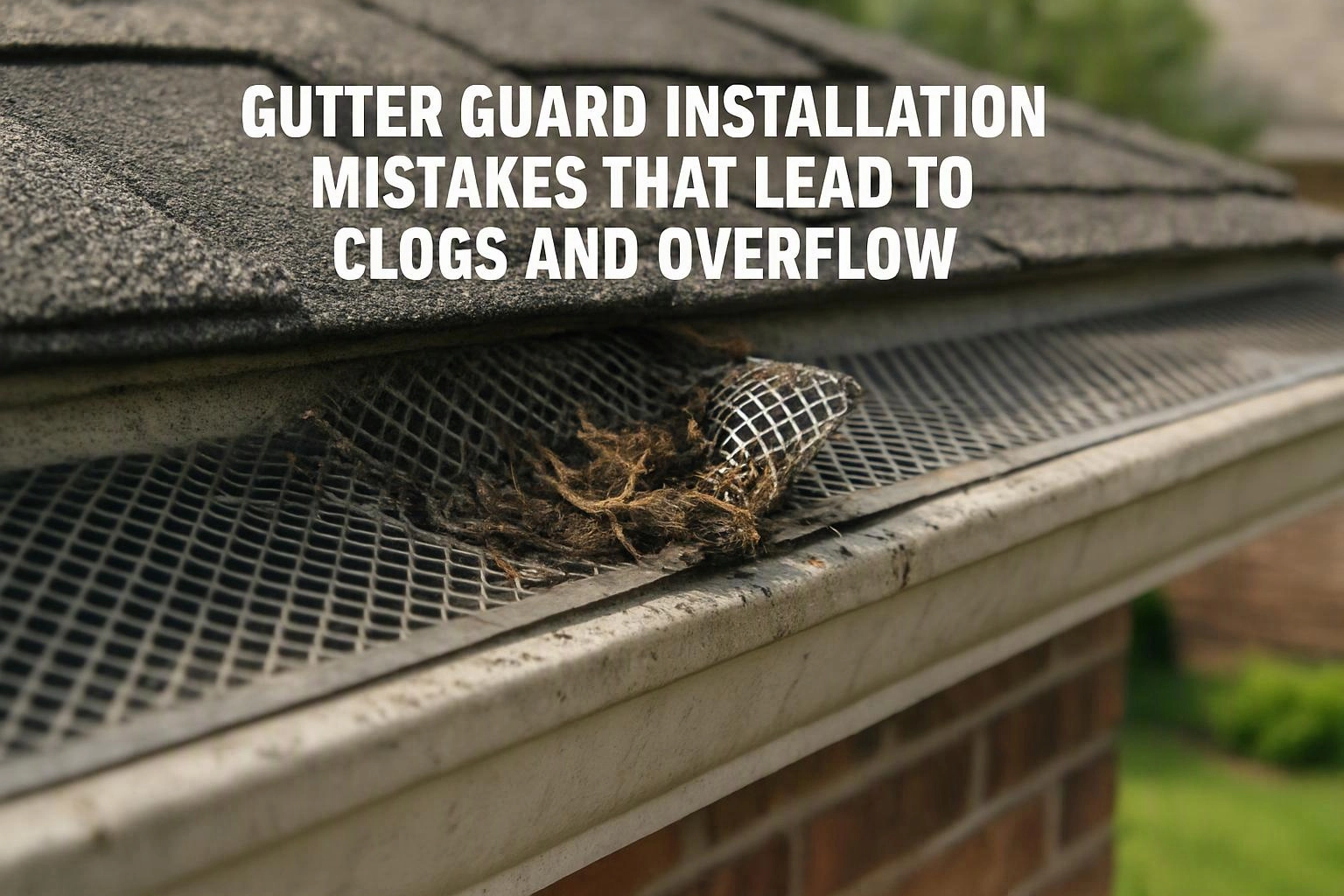
How Gutter Guard Installation Mistakes Cause Clogs and Overflow
Gutter guards cause drainage problems when the guard does not match the roof, gutter, or downspout system. Poor fit can block rainwater flow, hold roof debris, and turn small buildup into gutter clogs.
Gutter overflow happens when water cannot enter the gutter or leave through the downspout. We inspect the full drainage path so the guard is not treated as an isolated product.
The Installation Mistakes That Create Drainage Problems
Gutter guard installation problems usually come from poor system planning, rushed fastening, or skipped preparation. Each defect changes debris management and water flow in a different way.
We check the guard, gutter, roof edge, and downspouts together. The right correction may include cleaning, gutter repair, guard adjustment, or new guard installation.
Choosing a Gutter Guard That Does Not Match the Gutter
A guard must match the gutter profile, guard width, and gutter opening. A poor match can leave the guard low, block the opening, or allow roof debris to enter.
We measure the existing opening and review the gutter shape before choosing a gutter guard type. The correction may involve adjusting the panels or replacing a guard that cannot shed water correctly.
Leaving Gaps at the Roofline, Corners, and End Caps
Guard gaps at the roofline, gutter corners, end caps, and guard seams create direct paths for debris entry. Leaves and pine needles can collect in those spaces and restrict water flow.
We close problem areas with a fit that follows the roof edge and gutter shape. The work may take more time when corners, seams, or end caps need repair before the guard can be secured.
Installing the Guard at the Wrong Slope
Gutter slope affects how rainwater runoff reaches the gutter. A guard with the wrong slope may shed water over the front edge or hold debris on its surface.
We review the roof pitch and guard position, then adjust the installation for steady water shedding. The correction cost depends on whether the guard can be reset or needs replacement.
Using Weak, Incorrect, or Overplaced Fasteners
Gutter guard fasteners hold panels in place during rain, wind, and seasonal movement. Loose fasteners can let guards shift, while incorrect screws can damage shingles or the gutter.
We inspect screw placement, guard movement, and gutter damage before securing the panels. Repair work becomes more involved when fastener holes or gutter edges need correction.
Covering a Gutter That Was Not Cleaned or Repaired First
Gutter cleaning should remove existing debris before a guard covers the opening. Installing over debris can hide gutter seams, weak areas, and hidden damage.
We clear accessible buildup and inspect the gutter before installing or adjusting protection. Gutter repair may be needed when seams leak, sections sag, or the outlet is damaged.
Ignoring the Downspout Opening and Drainage Path
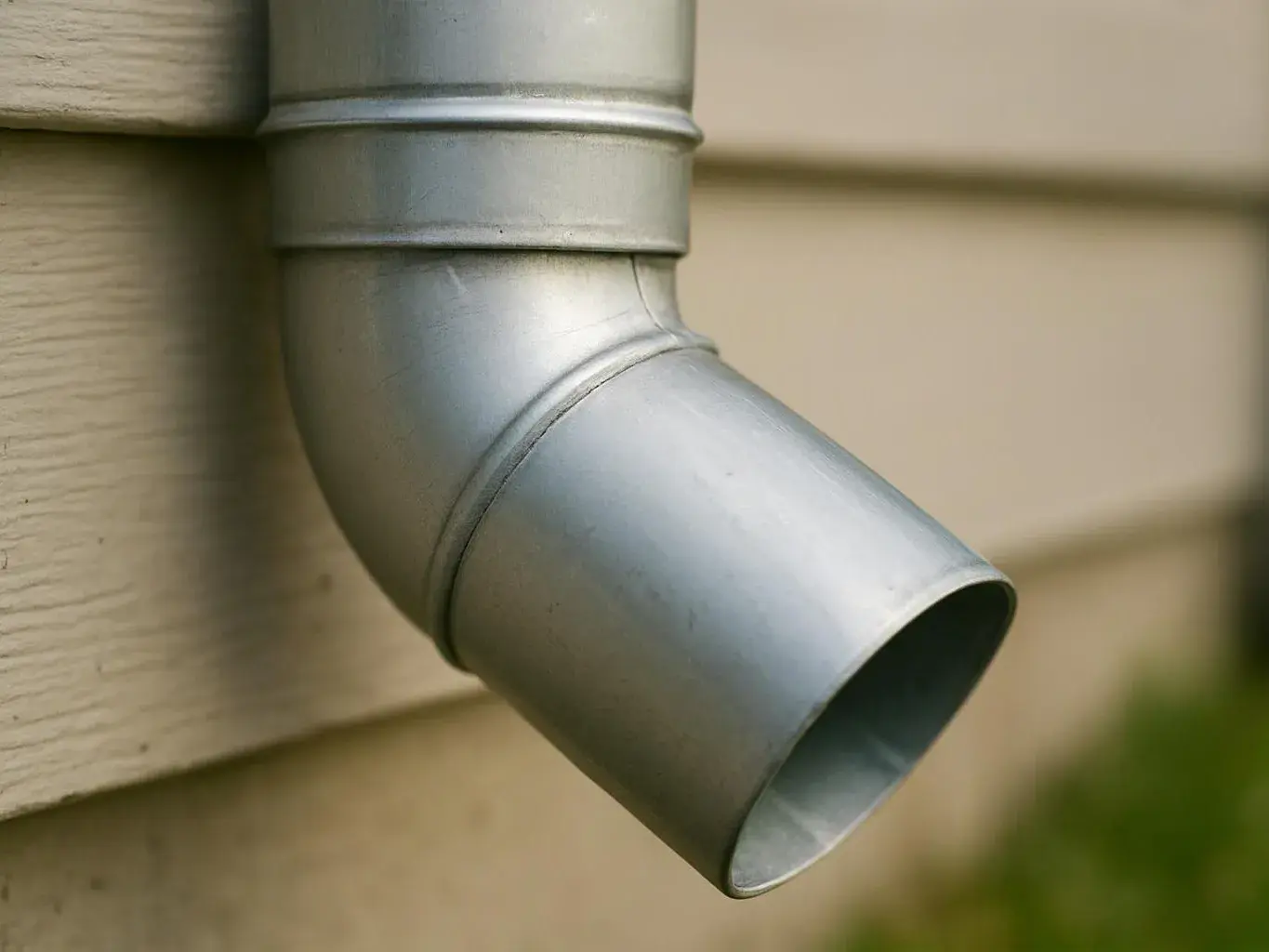
A blocked downspout opening can stop water even when the guard surface looks clear. A downspout clog or restricted gutter outlet can cause water to back up and overflow.
We inspect the outlet and downspout before closing the gutter with protection. We clear accessible blockages and check that water has a continuous path away from the roofline.
Installing Guards That Trap Fine Roof Debris
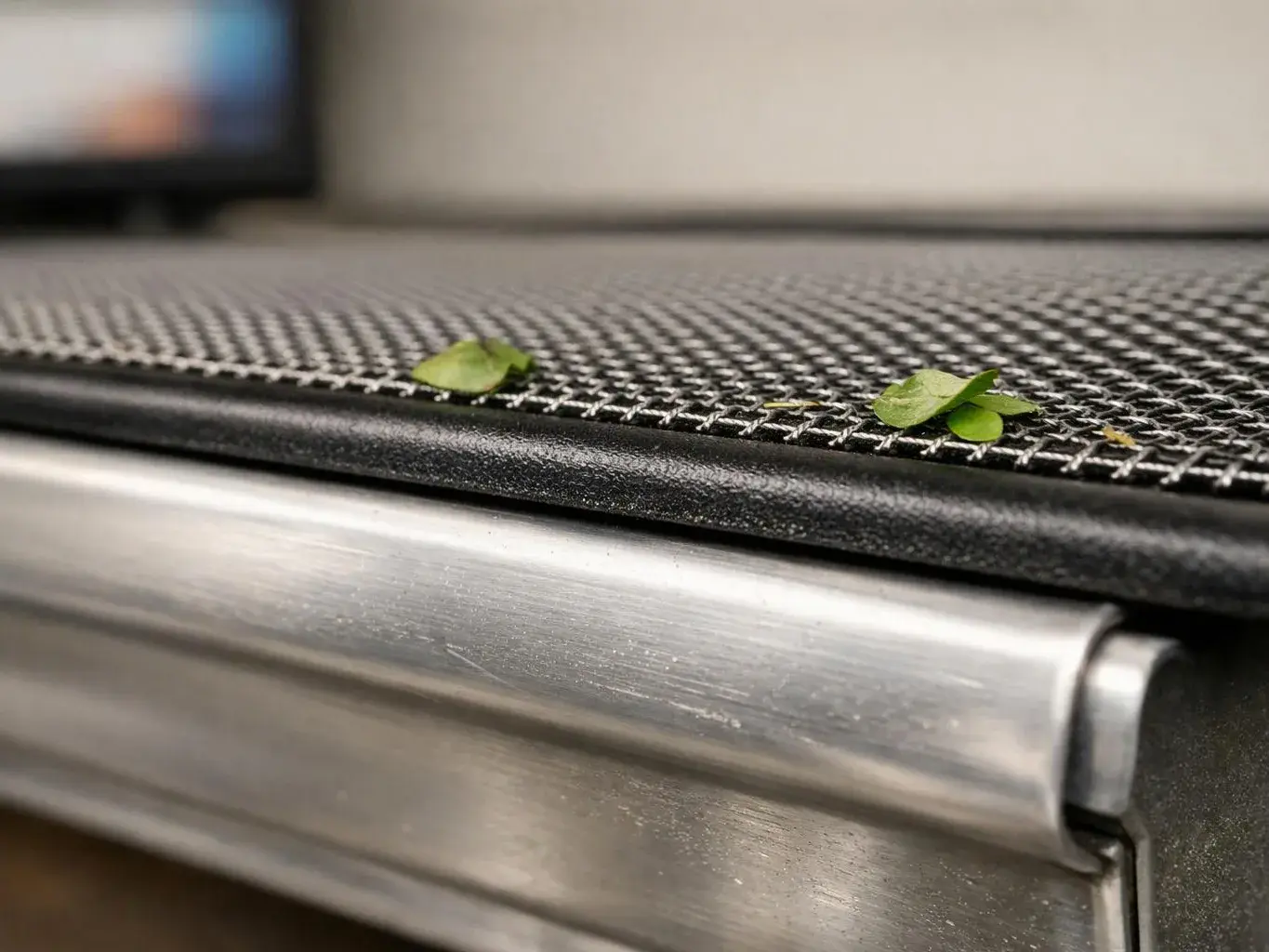
Fine debris, roof grit, and pine needles can collect on or under some mesh gutter guards. The buildup may reduce the open area and slow water entry.
We review the guard surface and the type of debris around the roof. The fix may include cleaning, changing the guard design, or improving the guard position for better flow.
Skipping Follow-Up Cleaning and Inspection
Gutter guard maintenance helps catch debris buildup, loose panels, and overflow signs before they become larger problems. Guards reduce debris entry but do not remove the need for inspection.
We use visual checks and water testing to look for blocked areas, guard movement, and poor drainage. Our maintenance advice follows the condition of the roof, gutter, and downspout system.
How Each Mistake Changes the Repair or Installation Cost
The cost of correcting gutter guard installation mistakes depends on the guard material and condition, the amount of cleaning, the extent of gutter damage, access to the roofline, and whether downspout work is needed.
We review these conditions before preparing an estimate. Our Gutter Guard Installation estimate explains the needed work, including cleaning, repair, replacement, and drainage corrections.
| Problem found | Likely correction | Main cost driver |
|---|---|---|
| Poor guard fit | Adjust or replace guard panels | Guard material and system condition |
| Debris beneath the guard | Clean the gutter and reset protection | Amount of debris and roof access |
| Damaged gutter seams | Complete gutter repair before covering | Extent of gutter damage |
| Blocked outlet or downspout | Clear and inspect the drainage path | Downspout condition and access |
Requesting an estimate from AGM Gutters is the best way to get an exact project total. We base the estimate on the actual guard, gutter, roof access, and downspout conditions.
How AGM Gutters Checks and Corrects Gutter Guard Installation Problems
AGM Gutters checks the existing gutter and guard system, clears accessible obstructions, identifies installation defects, repairs underlying gutter problems, and installs or adjusts guards for clear drainage.
Our process keeps the guard connected to the condition of the full drainage system. We explain the needed work before moving forward, and Free Estimates Available helps you review the correction plan.
When to Call AGM Gutters for Gutter Guard Problems
Call AGM Gutters when gutter guards keep causing overflow, the gutter or fasteners are damaged, debris is lodged beneath the guard, or ladder access feels unsafe.
Small surface debris may be visible from the ground, but roofline work can involve fall risks and hidden gutter damage. Our crew can inspect the system and explain the safest correction.
What to Check After Gutter Guard Installation
Gutter guard inspection should confirm that rainwater reaches the gutter and that the downspout discharge remains clear. Look for water spilling over the front edge, guard movement, open seams, and debris accumulation.
We recommend watching the system during rain when possible and checking for slow drainage after dry weather. A follow-up water test can reveal a blocked outlet or downspout blockage that is not visible from the ground.
If problems continue, contact AGM Gutters for a complete inspection and correction plan. Our team checks the guard, gutter, gutter outlets, and downspouts as one drainage system.
Questions About Gutter Guard Clogs and Overflow
Can gutter guards cause gutters to overflow?
Yes, gutter guards can cause overflow when poor fit, debris buildup, incorrect slope, or a blocked downspout restricts water flow. AGM Gutters checks the complete drainage path to locate the cause.
Why do gutters clog after installing gutter guards?
Gutters clog after guard installation when gaps allow leaves to enter, fine debris collects on the guard, or existing debris was covered during installation. The downspout opening can also remain blocked.
Should gutters be cleaned before installing gutter guards?
Yes, gutters should be cleaned and checked before guard installation. Existing debris can hide gutter damage, block the outlet, and remain trapped under the new protection.
Can gutter guards be installed over damaged gutters?
No, gutter guards should not cover damage that affects drainage or support. Gutter repair should address leaking seams, sagging sections, damaged outlets, or weak fastener points before protection is installed.
How do I know whether a gutter guard is installed correctly?
A gutter guard is installed correctly when panels fit the gutter and roofline, seams and edges have no open gaps, fasteners hold the guard firmly, and water reaches the downspout without overflow.