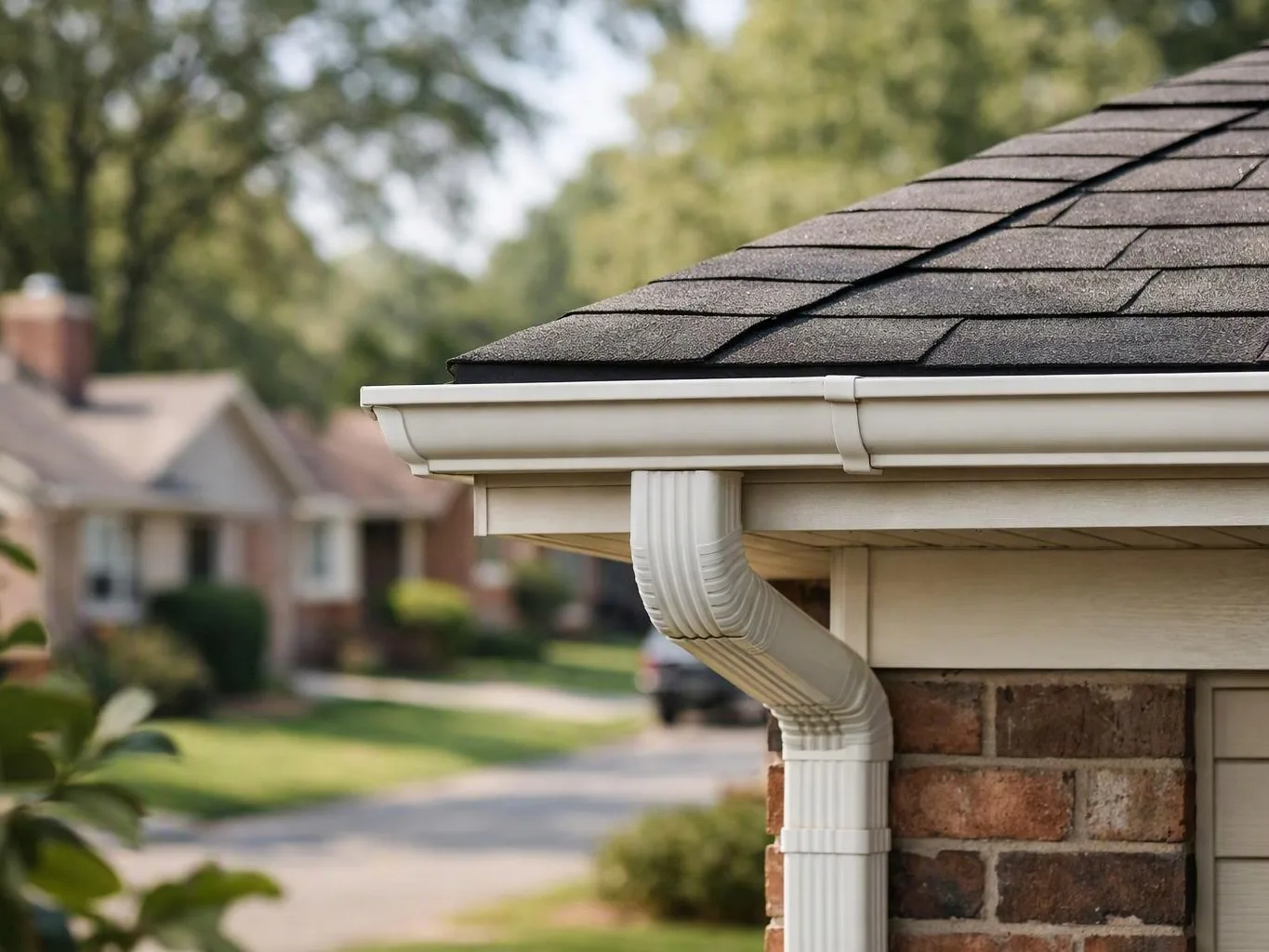
Why Gutters Overflow Even When They’re Clean
Clean gutters can overflow when water can't drain fast enough or flow toward the downspout. AGM Gutters checks the gutter slope, downspouts, and roof water flow to help find the cause.
Get a Free EstimateSigns of Overflow in Clean Gutters
Clean gutter overflow can leave signs on your home and ground. We use these clues to help trace the water's path.
- Water over the front edge during rain
- Water behind the gutter and against the house
- Water near the foundation after rain
- Stains on siding below the gutter
- Sagging gutter sections
- Standing water in the gutter after rain
Can Poor Slope Make Gutters Overflow?
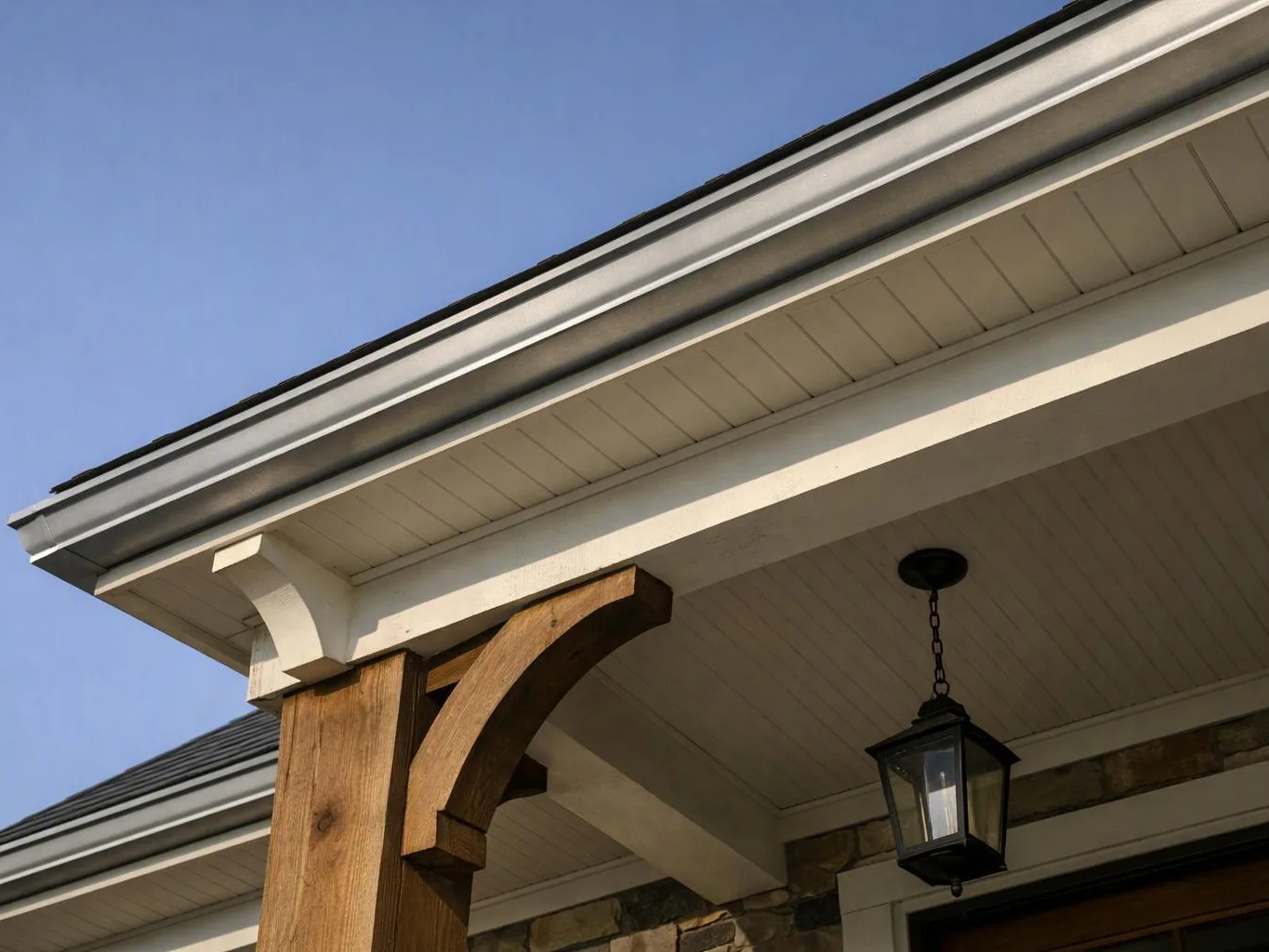
Yes, poor gutter slope can leave water standing instead of draining toward the downspout. Gutter slope is the slight tilt that guides water to the downspout. We check the tilt and look for standing water.
A sagging gutter or loose supports can change that tilt. We check the supports and the gutter channel to see what needs to be fixed.
Common Causes of Clean Gutter Overflow
Clean gutters can overflow when water can't move through the system fast enough. We trace the spill to see which part of the drainage path needs attention.
- Poor slope or sagging can keep water from reaching the downspout.
- Downspout drainage problems can hold water in the gutter.
- Limited gutter capacity means the gutter or outlet can't handle the water flow.
- Roof valleys can send a strong stream of water past the gutter.
Can a Downspout Problem Make Gutters Overflow?
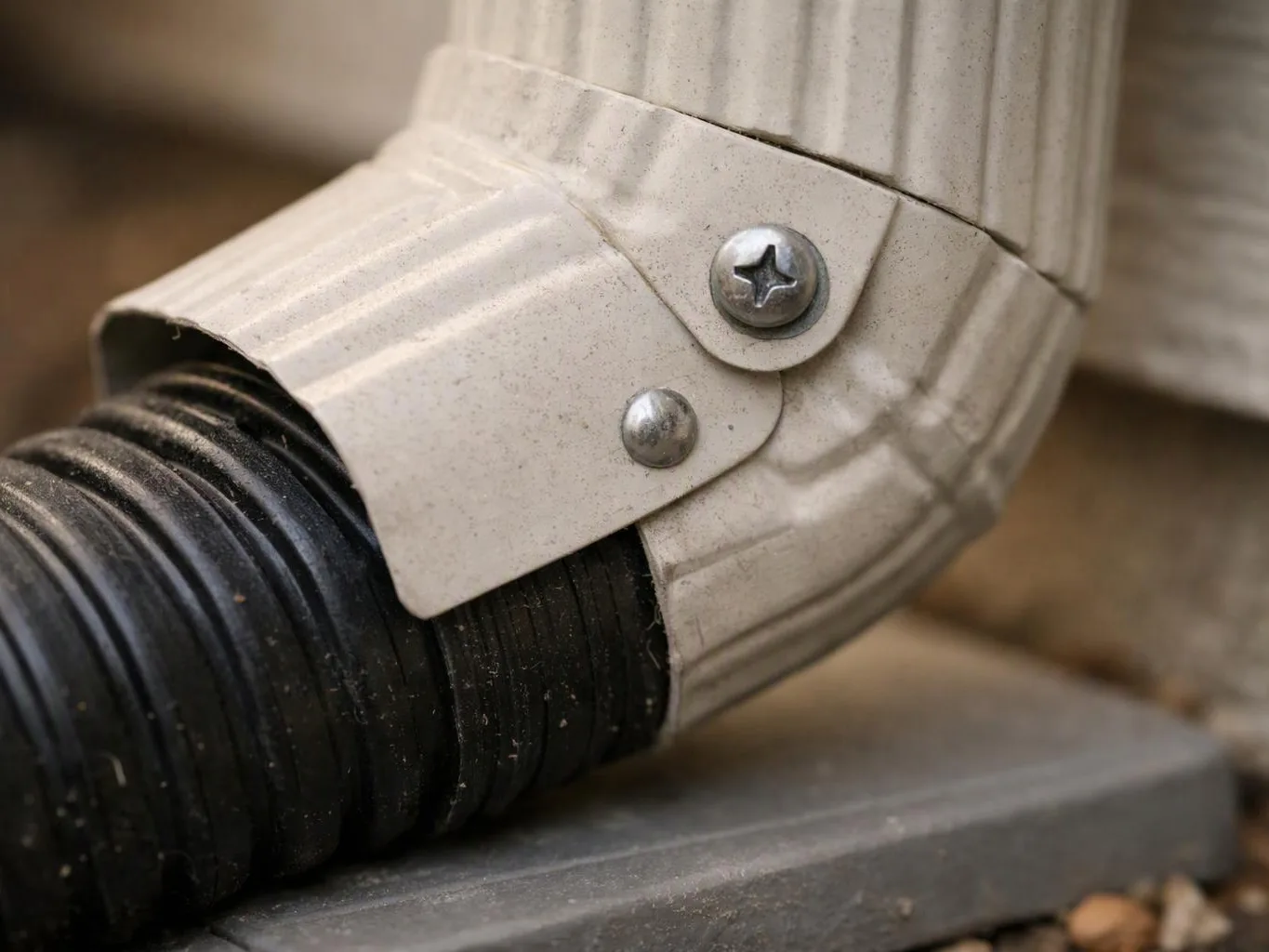
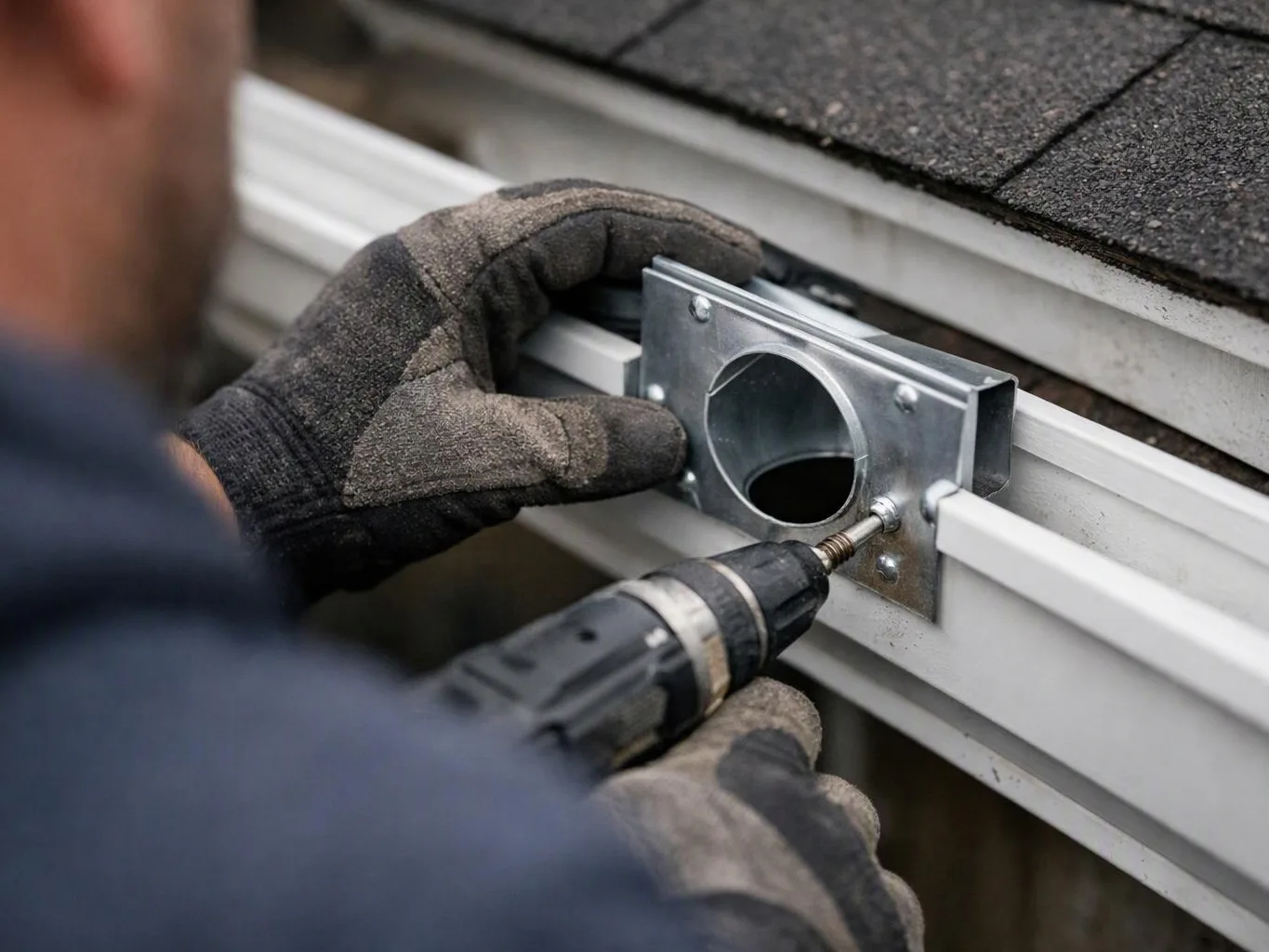
Yes, a blocked, damaged, or undersized downspout can cause a clean gutter to overflow. We check the gutter outlet, where water enters the downspout, for a hidden blockage.
A downspout can also be pinched or damaged. We check whether it can carry the roof water and whether its exit at ground level is blocked.
Ways to Prevent Gutter Overflow
Gutter overflow prevention starts with a clear path for water. You can watch for trouble from the ground, and we can check areas you can't safely reach.

- Keep gutter outlets and downspouts clear.
- Watch for sagging and loose gutter supports.
- Check where roof valleys send water during rain.
- Keep the downspout exit path open at ground level.
How Can You Find the Cause of Gutter Overflow?
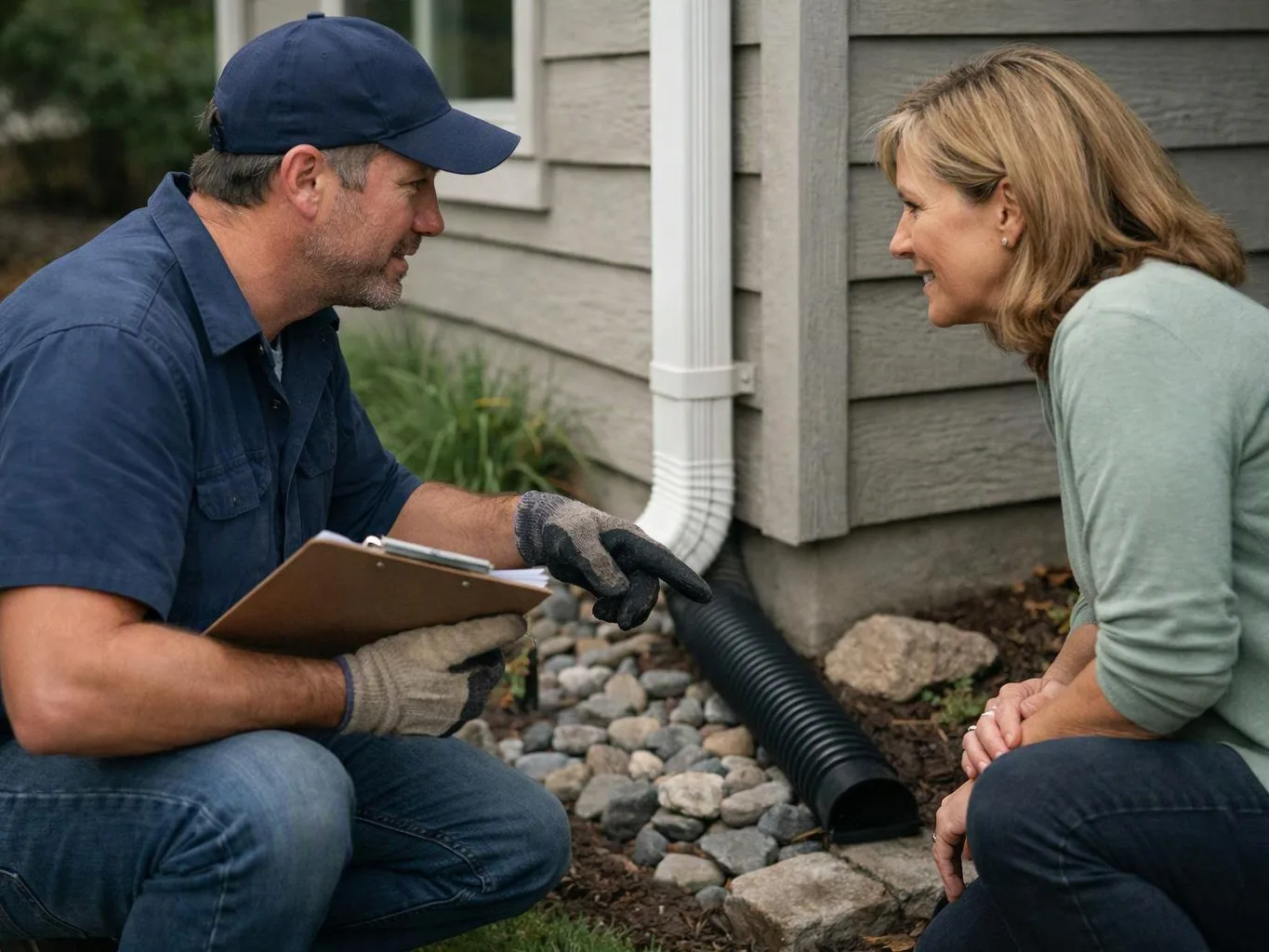
You can watch from the ground to see where the gutter spills and where the water collects. During rain, note where water spills in relation to the downspout. After rain, look for water pooling near the house.
A spill near a downspout may point to a drainage problem. A spill below a roof valley may point to a strong flow of roof water. We check the slope, supports, outlets, and roof flow before suggesting a fix.
Don't use a ladder if it feels unsafe. Call AGM Gutters and we'll handle the ladder work.
When Does an Overflowing Gutter Need Repair or Replacement?
An overflowing gutter may need repair for a local fault or replacement for widespread damage or limited capacity. We may suggest Gutter Repair for loose supports or an incorrect slope. We can also repair a downspout or install one where drainage needs improvement.
Gutter Replacement may make more sense when damage affects much of the system or the gutters can't handle the water flow. A targeted fix addresses a local fault, but it won't solve a system-wide capacity problem. We check the cause before recommending either option.
Our quote depends on the fault, the parts affected, and the work needed. Contact AGM Gutters to request an exact quote. Free Estimates Available.
Get a Free EstimateWhat Are the Key Specifications to Know?
- Topic Focus
- Why Gutters Overflow Even When They’re Clean
- Related Core Service
- Gutter Repair
- Evaluation Method
- On-Site Inspection & Written Scope
- Compliance Standard
- Local Building Code & Manufacturer Specs
How Does the Evaluation & Execution Process Compare?
| Evaluation Stage | Technical & Quality Criteria | Timeline Checkpoint |
|---|---|---|
| Initial Diagnostic & Assessment | Identify root cause, site constraints & code requirements | Before any work begins |
| Written Scope & Option Comparison | Compare repair vs. replacement tiers & material grades | Prior to project approval |
| Code-Compliant Execution | Follow manufacturer specs & local permitting standards | During active service |
| Final Verification & Walkthrough | Verify installation alignment, performance & clean site handoff | Upon project completion |