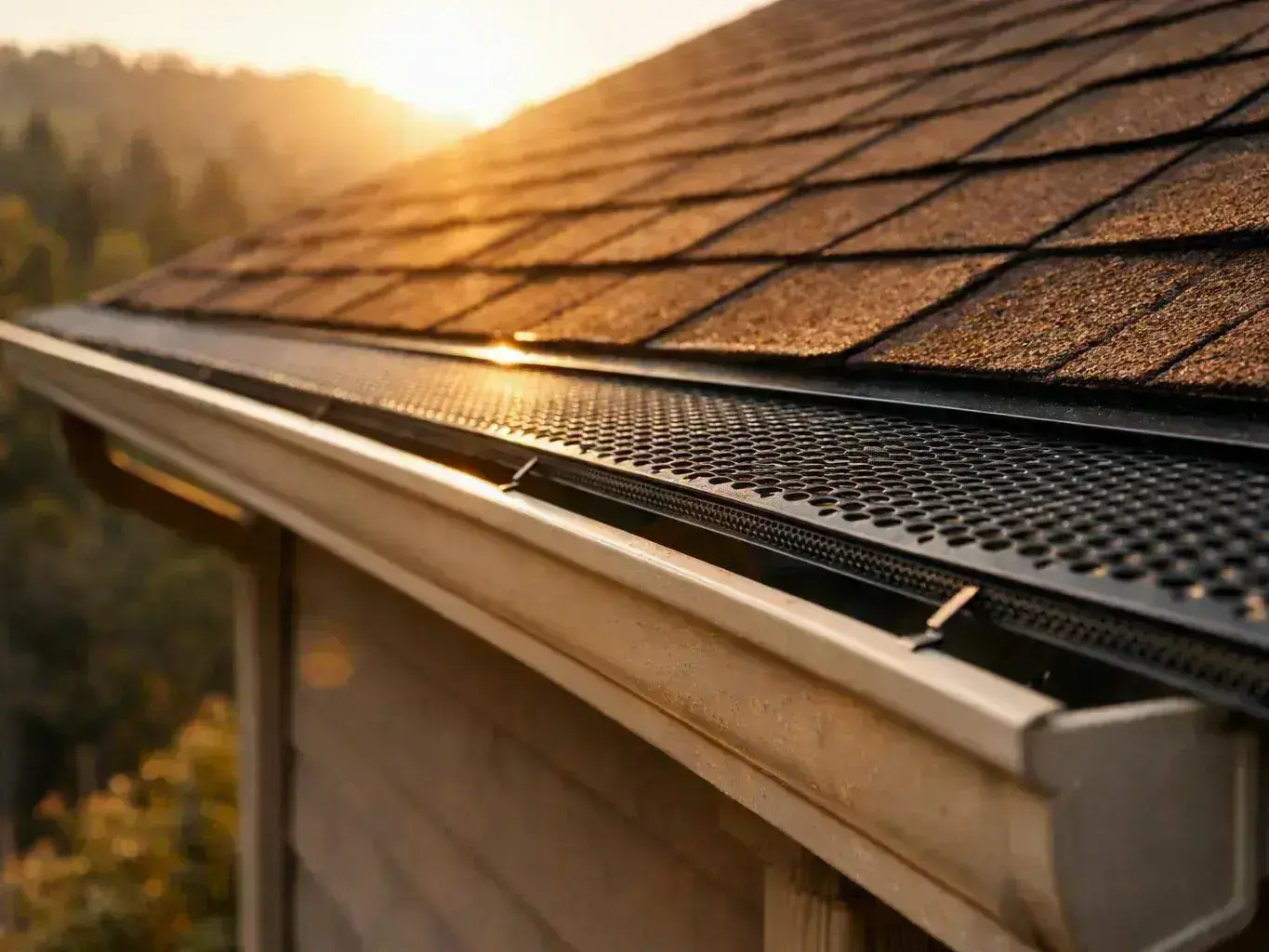
Gutter Installation to Help Prevent Basement and Crawl Space Flooding
Gutters to prevent basement and crawl space flooding work by collecting roof runoff and directing it away from the foundation; AGM Gutters installs seamless gutters, downspouts, and repairs to support that drainage path.
3 years of local experience
Get a Free EstimateHow Gutters Help Prevent Basement and Crawl Space Flooding
Gutter systems help prevent basement and crawl space flooding by collecting roof runoff and carrying it through downspouts to a safe discharge area away from the foundation.
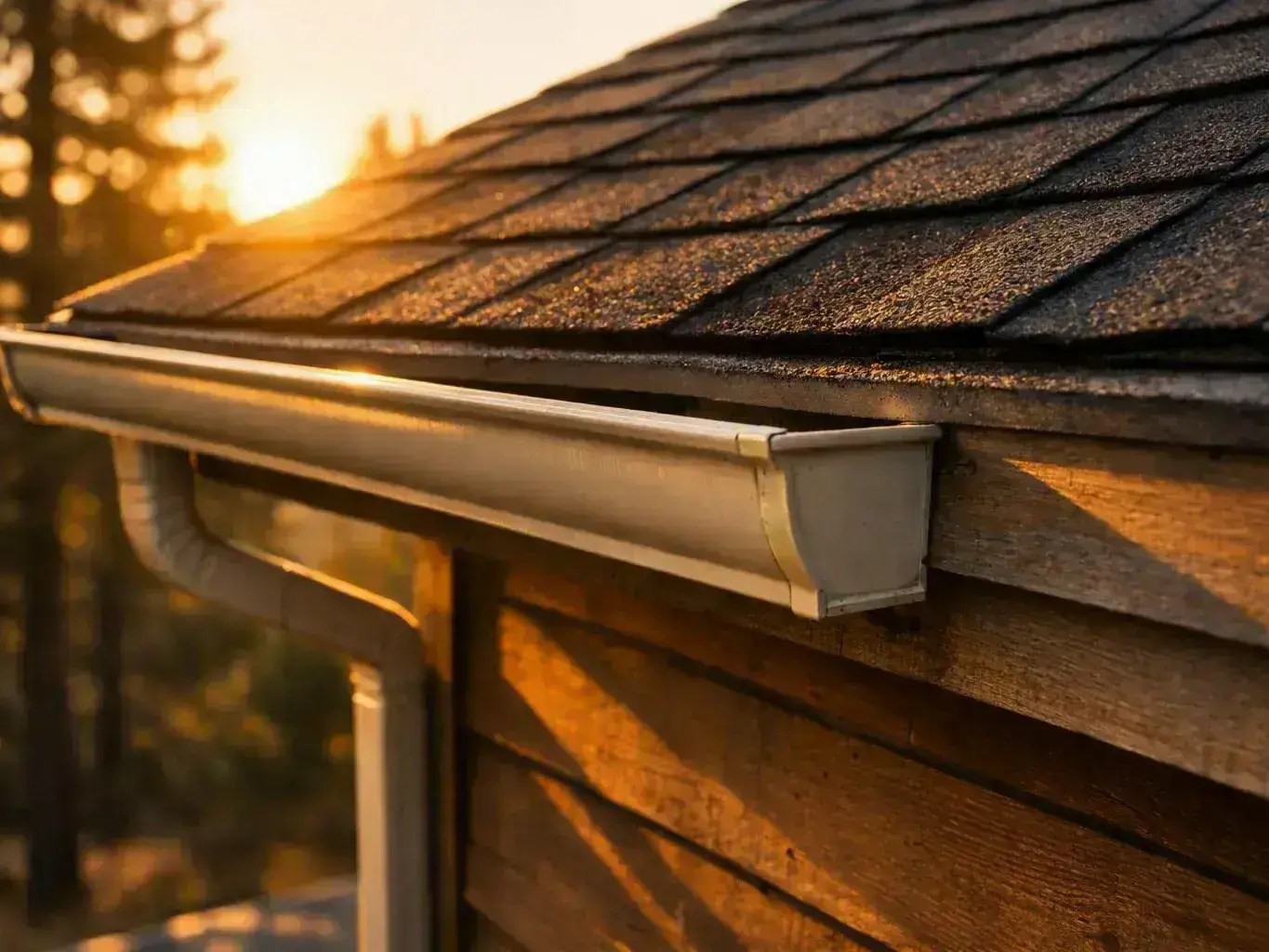
A roof sends rainwater toward its edges. A working gutter system catches that water before it falls beside the foundation. Downspouts then move the water toward a drainage path that limits water pooling and soil saturation.
Our team checks whether the gutter line, outlets, elbows, and downspouts create a connected path. We also look at how water leaves the downspout and whether the discharge area sends water back toward the basement or crawl space.
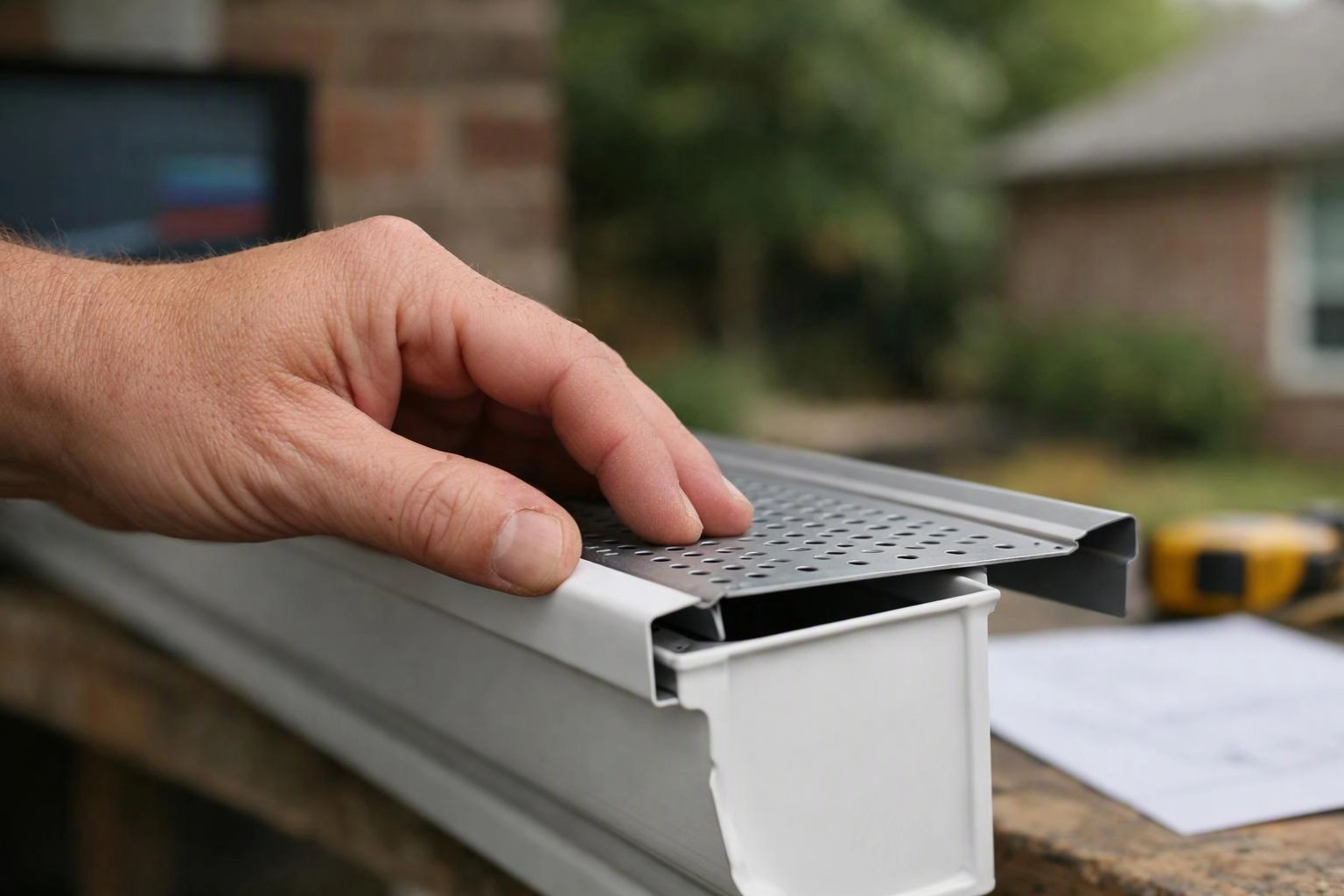
What Signs Show That Water Is Reaching the Foundation?
Foundation moisture signs show that roof runoff may be collecting near the basement or crawl space and needs a closer drainage review. We use these visible conditions to trace where water may be entering or staying near the foundation.
Why Do Gutters Contribute to Basement and Crawl Space Water?
Gutters contribute to basement and crawl space water when they overflow, leak, or discharge roof runoff too close to the foundation. We connect the visible gutter condition to the place where water is collecting.
How Should Roof Runoff Be Directed Away From the Foundation?
Downspout discharge should move through connected downspouts toward a stable area that keeps water from pooling beside the foundation.
Foundation drainage works best when roof runoff has a clear route away from the building. The route may use a suitable surface, an approved drainage connection, or another site-appropriate discharge method.
Our team reviews grading around the foundation and follows the visible drainage path. We look for low areas, soft soil, soil saturation, and signs that water is moving back toward the house.
What Gutter Steps Help Reduce Basement and Crawl Space Flooding?
Gutter installation, downspout placement, and timely gutter repair help reduce the roof runoff that reaches basement and crawl space walls. We match the work to the condition of the gutter line and the way water leaves the property.
How AGM Gutters Checks the Drainage Path
AGM Gutters checks the gutter line, downspout connections, discharge direction, and visible foundation drainage conditions before recommending the needed work.
We inspect the roof edge for overflow points and review gutter connections, end caps, hangers, outlets, and elbows. Our crew then follows the water path to see whether it ends near the foundation.
We explain which condition needs attention and how the recommended work supports foundation drainage. Our goal is to keep the gutter system connected from the roof edge to the discharge area.
What Should You Check Before Requesting Gutter Work?
A quick visual check can help you describe where roof runoff may be reaching the foundation. Do not climb if the roof edge is unsafe; AGM Gutters can handle ladder work for you.
Which Gutter Service Fits a Basement Flooding Concern?
Seamless gutter installation fits missing or failing gutter runs, downspout installation fits poor discharge paths, and gutter repair fits localized leaks or damage.
We use the roofline and visible water path to guide the service choice. A gutter repair may correct a leak, while a new downspout may be needed when water has no safe route away from the foundation.
When the gutter line is worn across a larger area, our team can review whether seamless gutters provide a better continuous drainage path for roof runoff.
What Changes the Quote for Flood-Prevention Gutter Work?
The quote for flood-prevention gutter work depends on the roofline, gutter condition, downspout layout, access, and discharge requirements; AGM Gutters provides Free Estimates Available.
Our team reviews the amount of gutter work needed, the number and placement of downspouts, and the condition of the existing drainage path. Foundation drainage concerns may also affect the recommended scope.
We explain what the quote includes so you can connect each part of the work to the roof runoff problem. Contact AGM Gutters for an exact quote based on your property.
Can Gutters Completely Prevent Basement Flooding?
No, gutters can reduce roof runoff near the foundation but cannot address every source of basement flooding, including groundwater, plumbing leaks, or inadequate foundation drainage.
A gutter system manages water that comes from the roof. Foundation waterproofing, a sump pump, surface drainage, or other work may be needed when water comes from below the foundation or enters through another path.
We focus our inspection on the gutter system and visible roof drainage conditions. Our findings can help show whether gutter repair or downspout changes address the likely source of the water.
Questions About Gutters and Foundation Water
Where should downspouts discharge to protect a basement?
Downspouts should discharge toward a stable drainage area that keeps roof runoff from pooling beside the foundation. AGM Gutters reviews the outlet direction and recommends a practical path based on the visible grading and drainage conditions.
Do gutters help with crawl space moisture?
Yes, gutters can help with crawl space moisture by directing roof runoff away from the soil beside the foundation. Our team checks for overflow, leaks, and short downspouts that may leave water near the crawl space.
Can a gutter repair fix water pooling beside a foundation?
Yes, gutter repair can fix water pooling when a leak, loose connection, poor slope, or damaged section causes the runoff. AGM Gutters checks the gutter line and downspout discharge before recommending the repair.
Should downspouts be extended away from the house?
Yes, downspouts should be extended when their outlets release water too close to the foundation. We review the discharge area and choose a path that reduces water pooling beside basement or crawl space walls.
AGM Gutters checks your gutter system, downspouts, and visible drainage path to help reduce roof runoff near the foundation. Request an exact quote through our contact page.