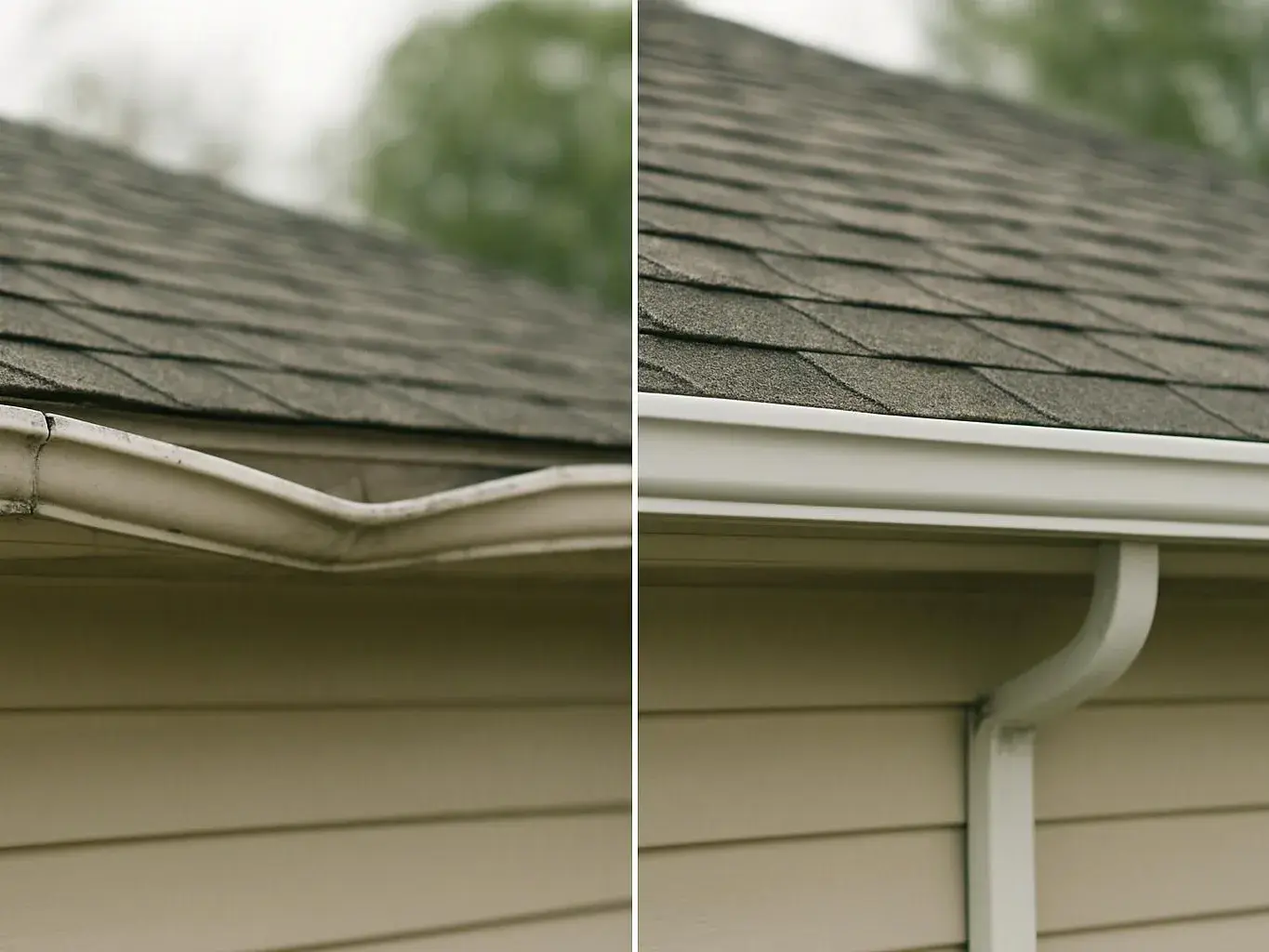
Sagging or Pulling-Away Gutters: What Usually Needs Fixing
Sagging or pulling-away gutters usually point to loose hangers, failed fasteners, damaged fascia, poor slope or excess gutter load. AGM Gutters checks the gutter system and supporting fascia to determine whether repair, fascia repair or replacement is appropriate.
3 years of local experience
Get a Free Estimate
What Are the Signs of Sagging Gutters?
Signs of sagging gutters include visible dips, sections pulling away from the fascia, loose hangers, standing water and overflow during rain.
These signs often point to a support problem, a slope problem or water damage behind the fasteners. We inspect the full run so the visible symptom is matched to the underlying failure.
Why Are the Gutters Sagging or Pulling Away?
Sagging or pulling-away gutters usually result from failed support, damaged fascia, improper slope or weight that the gutter system can no longer carry.
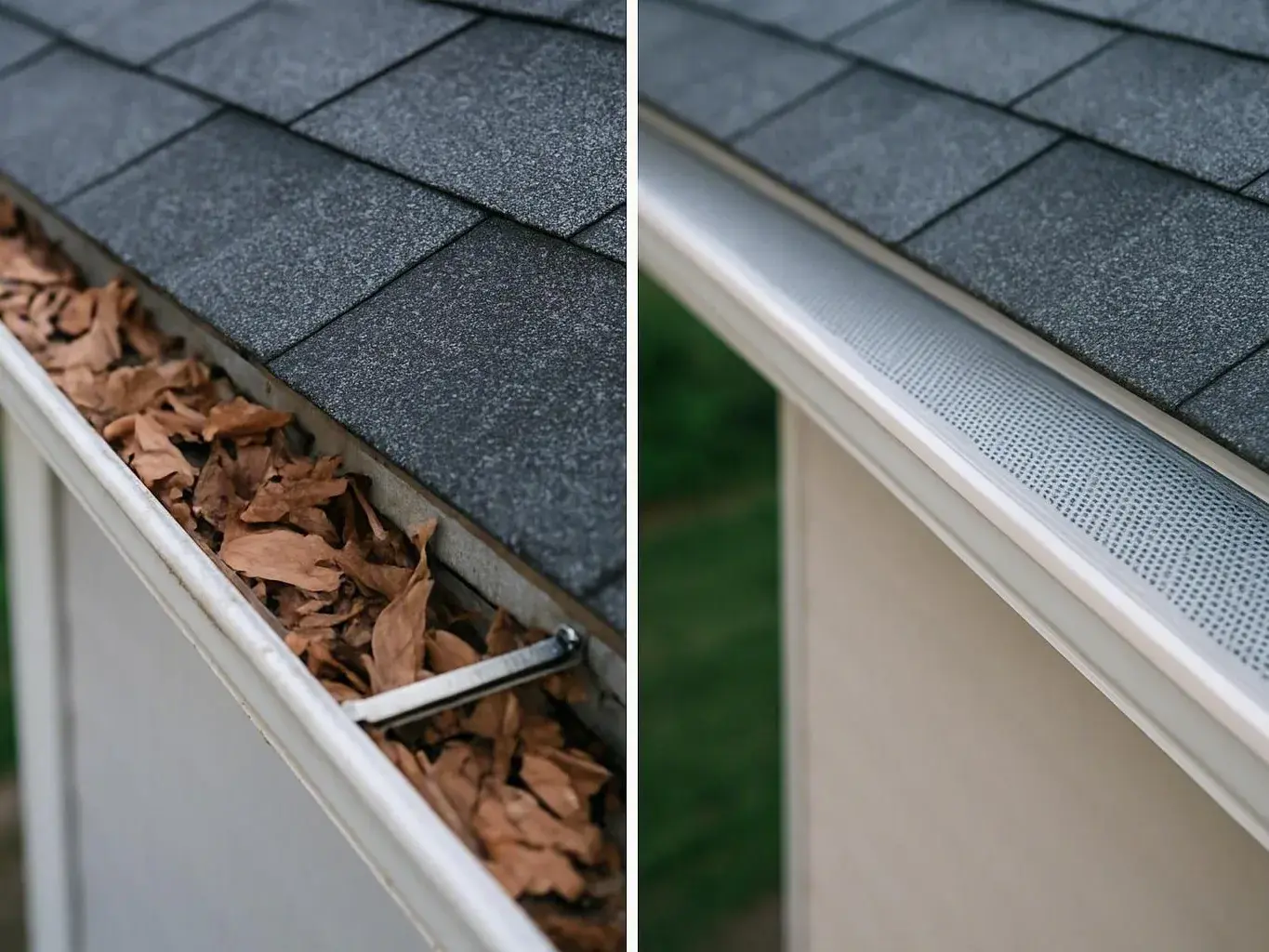
Gutter hangers can loosen when fasteners lose their grip. Debris and trapped rainwater also add gutter weight, which places more strain on the support system.
Improper pitch, also called improper gutter slope, can leave water sitting in the channel. We check the gutter alignment and adjust the repair plan to address the cause, not only the drooping section.
Can Rotten Fascia Cause Gutters to Pull Away?
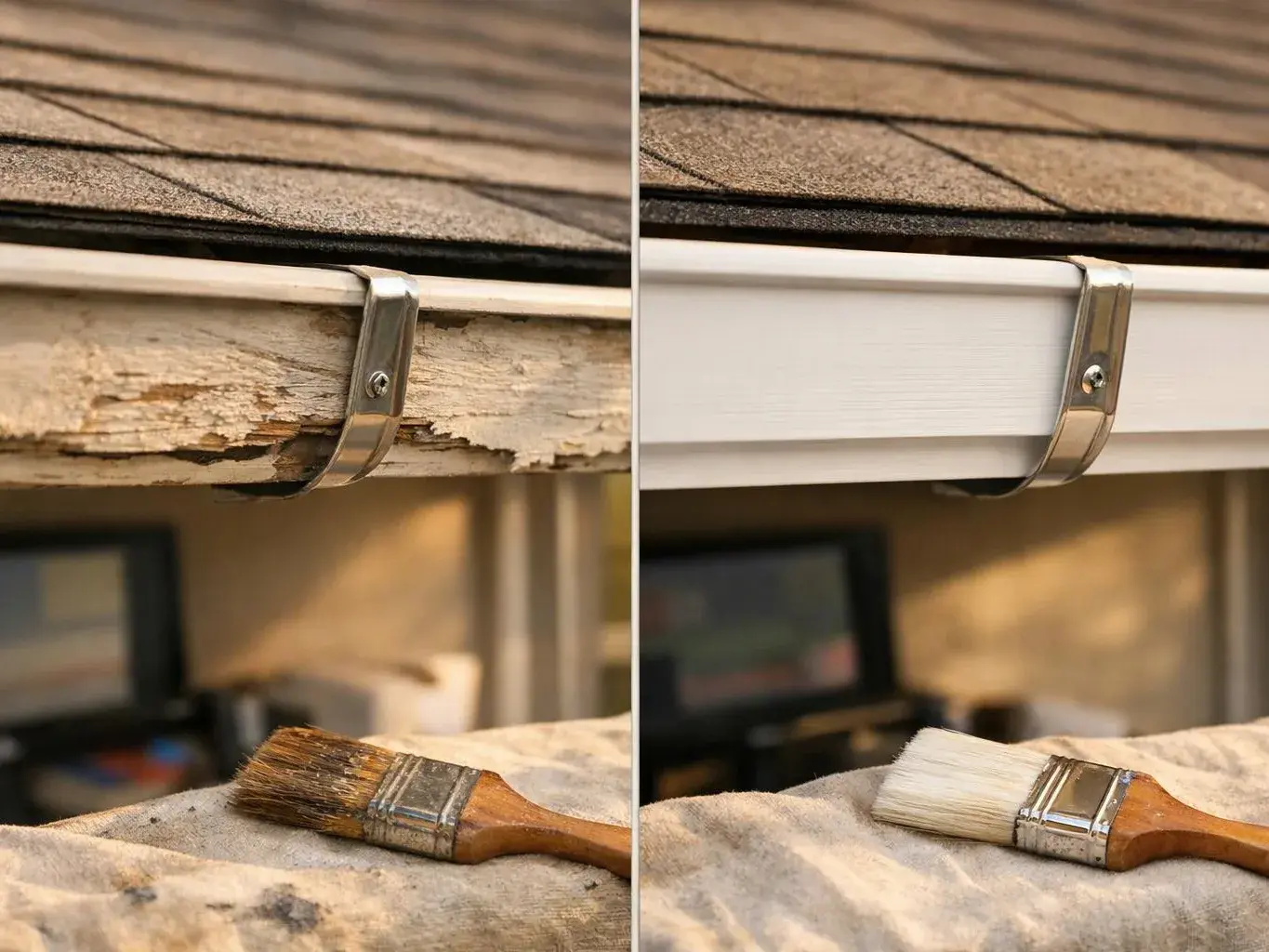
Yes, rotten fascia can cause gutters to pull away because weakened wood cannot hold gutter fasteners securely.
The fascia board sits along the roof edge and supports many gutter fasteners. When wood rot or water damage weakens that board, new fasteners may fail unless the affected fascia is repaired first.
We check the wood around each support point and identify whether the work needs fascia repair, gutter repair or both.
Are Sagging Gutters Repairable?
Yes, sagging gutters are repairable when the gutter material and supporting structure remain sound; replacement is more appropriate when damage is extensive.
Gutter repair may include securing loose hangers, replacing failed fasteners or correcting a shifted gutter section. Fascia repair may be needed when the wood behind the hardware has structural damage.
Gutter replacement becomes more suitable when the gutter section is badly damaged or the support system cannot provide a sound base. We match the scope to the condition we find.
How We Check What Needs Fixing
AGM Gutters checks gutter alignment, support points, fascia condition, downspout flow and visible water damage before recommending repair or replacement.
We look for gaps, loose hangers and failed fasteners along the gutter run. We also check whether the gutter slope directs water toward the downspouts.
Our team reviews the fascia behind the fasteners and follows signs of overflow or leaks. This helps us separate a local gutter problem from a wider support or drainage system defect.
What You Can Do Yourself and When to Call AGM Gutters
You can observe visible symptoms from the ground and clear accessible debris, while AGM Gutters handles ladder work, structural checks and repairs that affect the gutter or fascia.
Simple observation can show where the problem starts, but climbing near a roof edge adds risk. Our crew completes the ladder work and checks the support system when the cause is not visible from the ground.
| Factor | What you can do yourself | What we do |
|---|---|---|
| Visible symptoms | Look for dips, gaps and overflow from a safe place on the ground. | Trace the affected gutter section and inspect its alignment. |
| Debris | Clear accessible debris without climbing onto the roof. | Check whether debris load or blocked downspouts affect water flow. |
| Ladder safety | Avoid ladder work when the surface, height or roof edge feels unsafe. | Complete ladder work and inspect hangers, fasteners and fascia. |
| Repair decision | Note where water overflows or where the gutter pulls away. | Decide whether the work needs gutter repair, fascia repair or gutter replacement. |
Ground-level checks are useful for reporting the symptoms you see. We handle the parts of the inspection that involve height, fasteners, fascia condition or structural damage.
How the Repair or Replacement Decision Is Made
The repair or replacement decision depends on the condition of the gutter, its support system and the fascia behind the fasteners.
The condition of the supporting wood often decides whether a simple repair will hold. Our team explains the affected parts and the work included in the recommended scope.
What Does a Gutter Repair Estimate Include?
A gutter repair estimate accounts for the damaged section, support hardware, fascia condition, access and whether repair or replacement is the suitable scope; AGM Gutters provides Free Estimates Available.
We review the labor and materials needed for the affected gutter section and any fascia repair. The estimate also reflects access and the extent of water damage found during the inspection.
A gutter replacement estimate may cover the replacement section and its support system. We explain how the recommended work addresses alignment, slope and water flow.
Request an estimate through our contact page so we can review the gutter and fascia condition.
How to Prevent Gutters From Sagging Again
Gutter maintenance helps prevent recurring sagging by keeping water moving, reducing debris load and identifying support or fascia damage early.
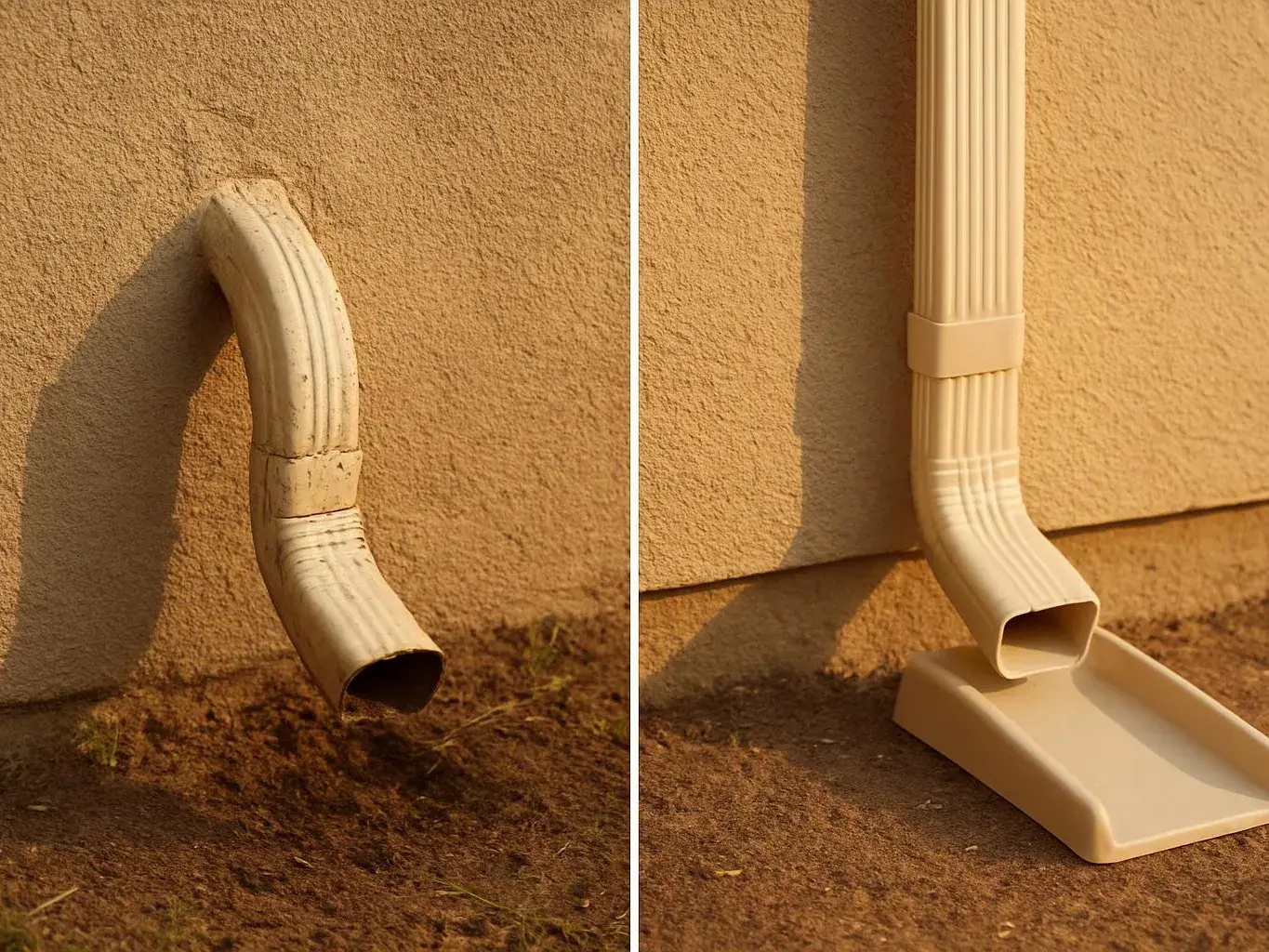
Keep debris from building up and watch for changes in downspout flow after rain. A blocked downspout can leave extra water weight in the gutter.
Look for new gaps, loose gutter hangers or changes in the fascia condition. We can check the support points when a gutter begins to droop, overflow or pull away again.
Good roof runoff control also depends on a sound gutter slope and clear downspouts. Early gutter repair can limit wider water damage and help protect the fascia board.
Questions About Sagging and Pulling-Away Gutters
How can I tell if my gutters need repair or replacement?
AGM Gutters checks the gutter material, support hardware and fascia condition to decide whether repair or replacement fits the damage. Sound gutter sections with secure support may need repair, while widespread damage or weak fascia may require a larger scope.
What happens if sagging gutters are left unfixed?
Unfixed sagging gutters can hold standing water, overflow and place more strain on the fasteners and fascia. We inspect the water path and support points to help limit further water damage.
Can loose gutter hangers be replaced without replacing the whole gutter?
Yes, loose gutter hangers can be replaced without replacing the whole gutter when the gutter section and fascia remain sound. We check the fastener points before securing the existing section.
Why do gutters sag after heavy rain?
Gutters can sag after heavy rain when trapped water, debris or poor water flow adds load to a weak support system. We check downspouts, gutter slope, hangers and fascia to identify the failure.
Call AGM Gutters to review sagging or pulling-away gutters and receive a clear repair or replacement recommendation.