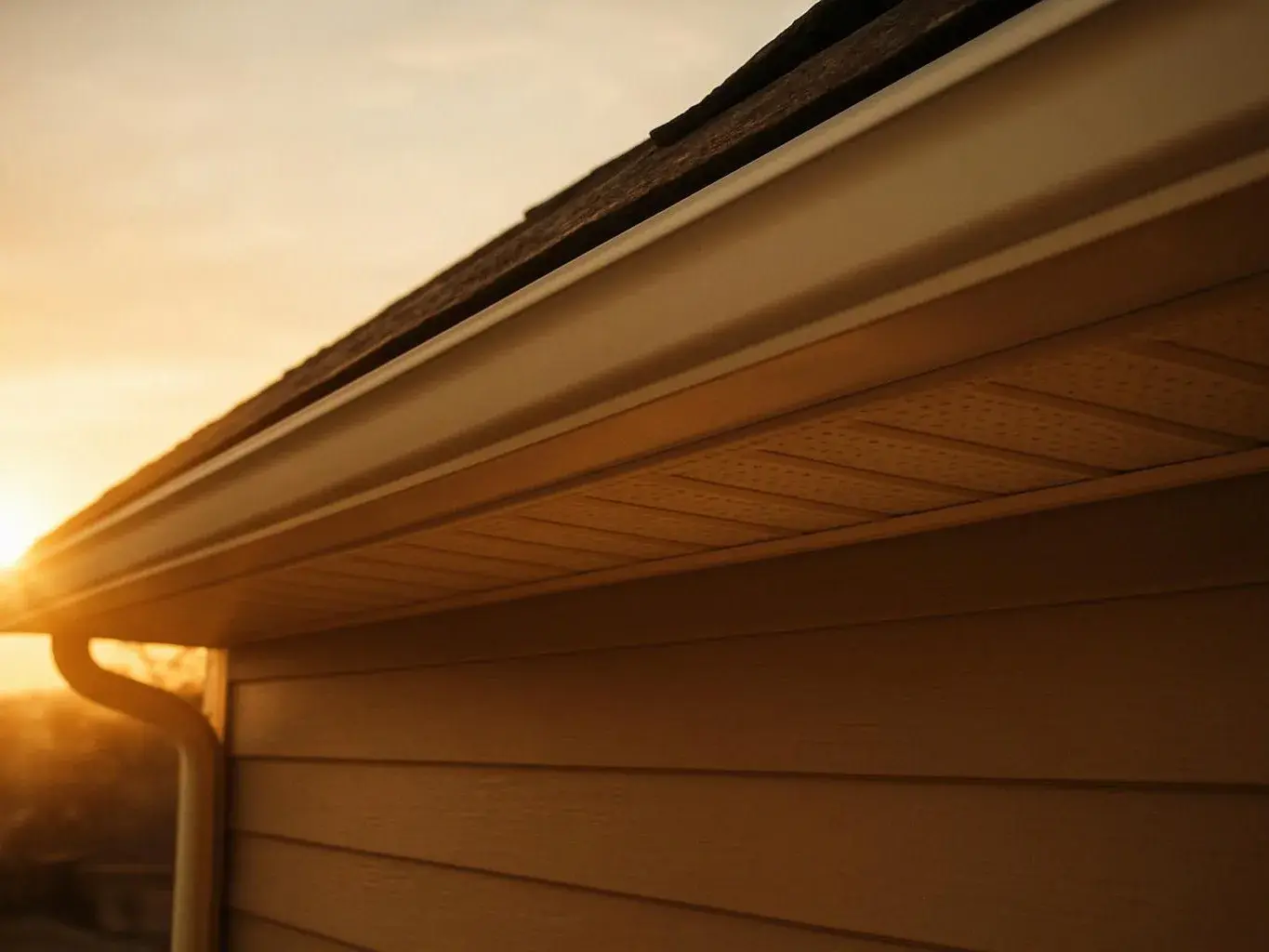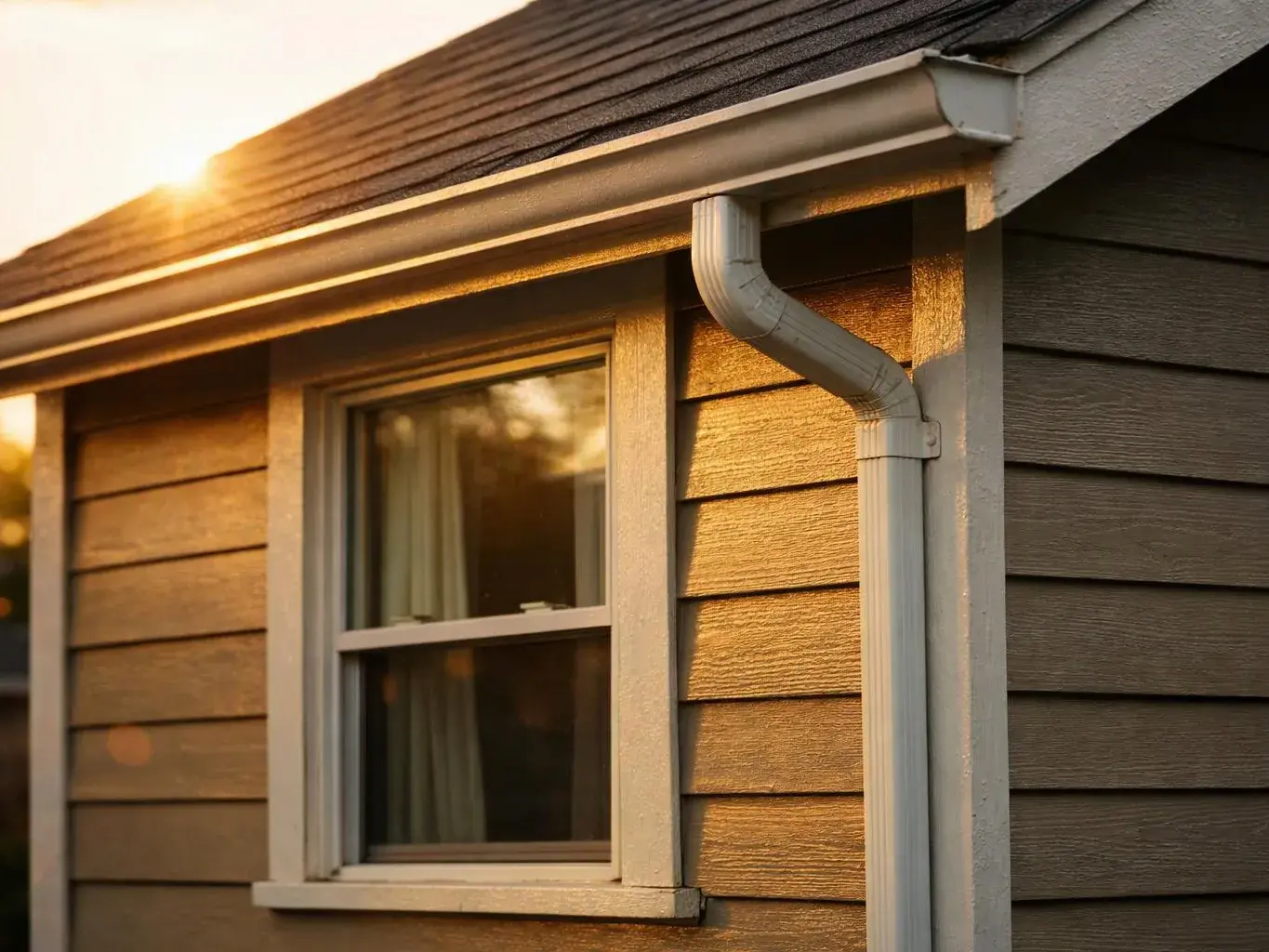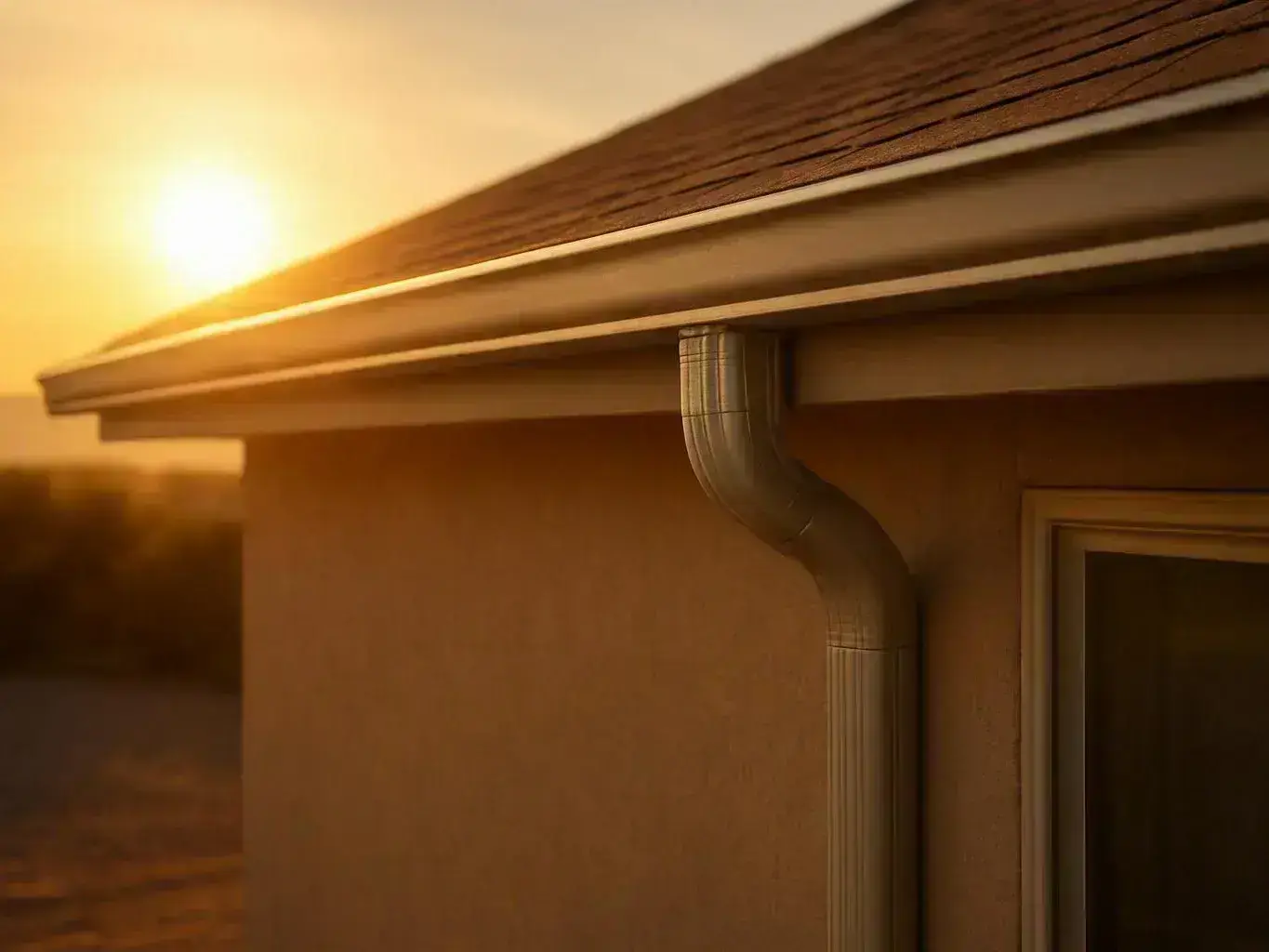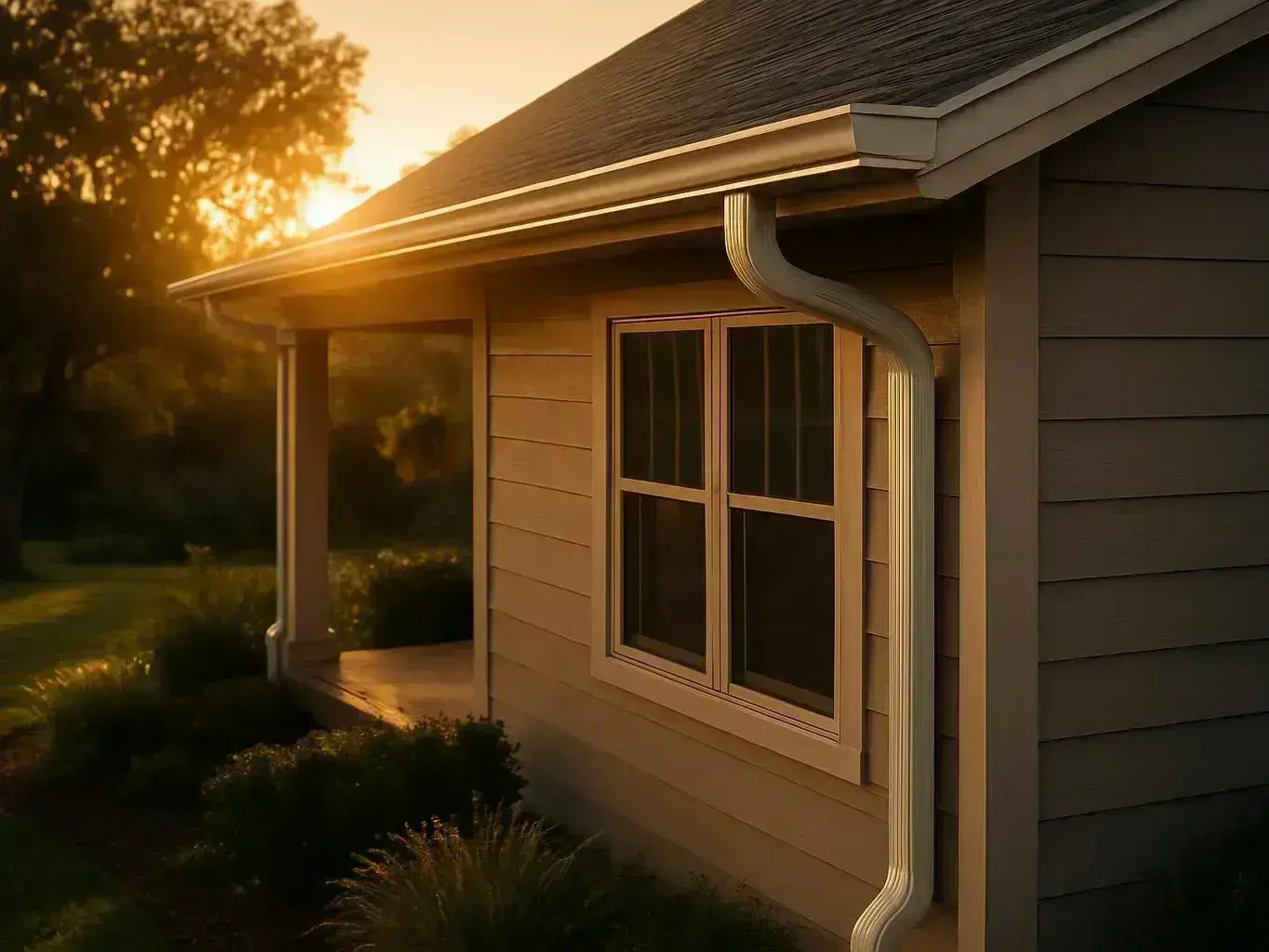
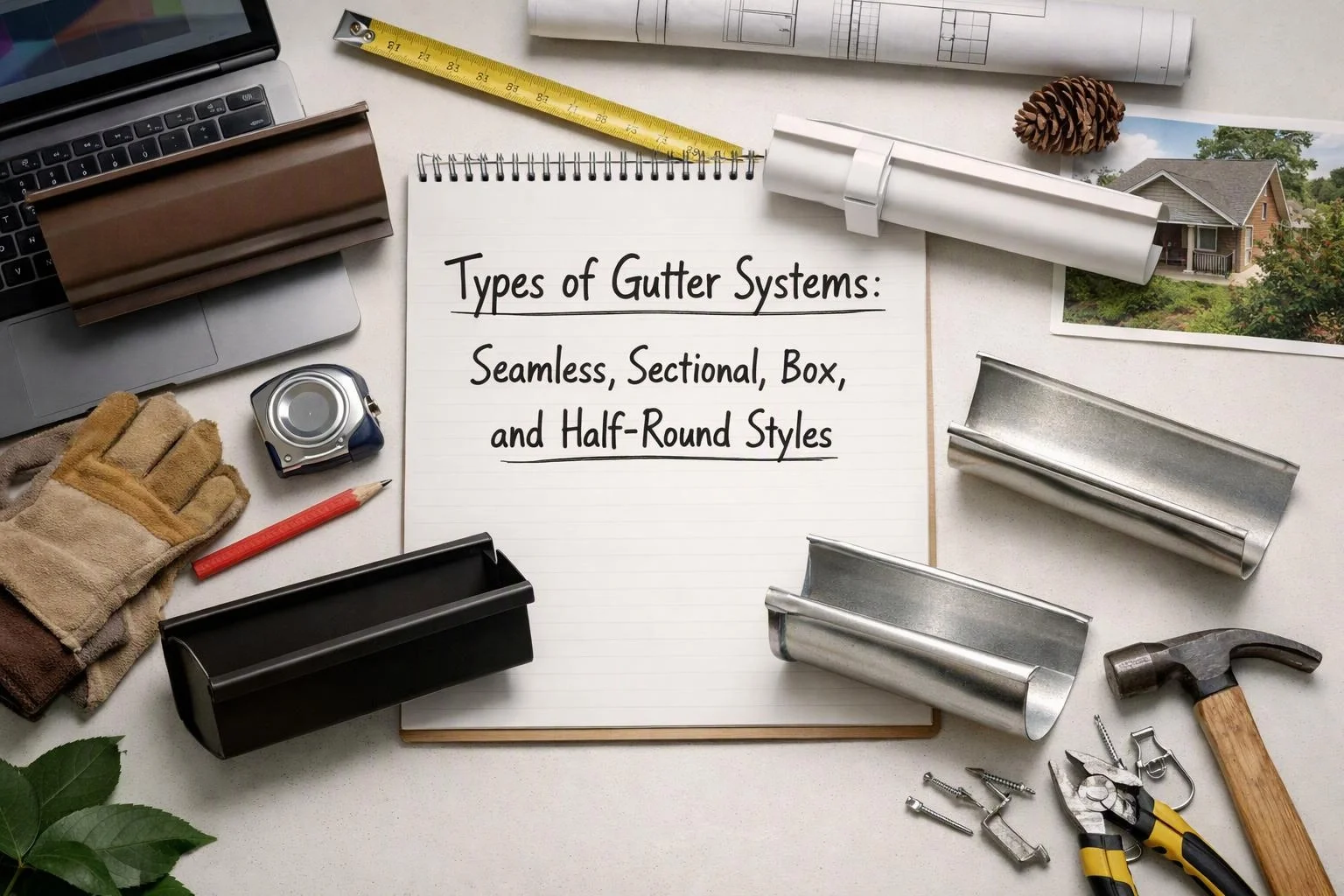
Types of Gutter Systems: Seamless, Sectional, Box, and Half-Round Styles
Gutter systems include seamless, sectional, box, and half-round styles, and AGM Gutters uses roof design, water flow, fascia condition, and appearance to guide installation or replacement choices.
3 years of local experience
Get a Free EstimateGutter systems are classified by construction method, profile, capacity, and architectural fit. The right choice matches the roofline, expected water flow, fascia condition, maintenance preferences, and home style.
- Seamless gutters suit many replacement projects and long roof edges.
- Sectional gutters suit modular layouts and smaller repairs.
- Box gutters suit high-capacity drainage designs.
- Half-round gutters suit traditional and historic architectural styles.
Which Gutter System Fits Your Home?
The right gutter system matches the roofline, expected water flow, fascia condition, maintenance preferences, and architectural style. The gutter channel must carry rainwater runoff to each downspout without spilling over the roof edge.
We check the roof pitch, roof area, fascia board, and downspout placement before recommending a system. We also consider how the gutter profile will look with the siding, trim, and overall design.
Gutter System Types Compared
Seamless, sectional, box, and half-round gutters differ in construction, appearance, capacity, installation requirements, and cost. The best fit depends on the roof design and the drainage work the system must handle.
| Type | Key Features | Cost | Best For |
|---|---|---|---|
| Seamless gutters | Continuous gutter runs with fewer gutter seams | Varies | Many replacement projects and long roof edges |
| Sectional gutters | Pre-cut gutter sections joined during installation | Varies | Modular layouts and small repairs |
| Box gutters | Deep, squared channels with high drainage capacity | Varies | Certain flat roofs and commercial roof drainage |
| Half-round gutters | Rounded gutter profile with decorative appeal | Varies | Traditional and historic homes |
Seamless Gutters
Seamless gutters are continuous gutter runs formed to the needed length that reduce the number of joints along the roof edge. Aluminum gutters are a common choice for this system.
Seamless gutters work well when a roof has long, clear runs or when repeated gutter seams have caused leaks. Our Seamless Gutter Installation process includes checking the fascia, outlets, corners, and downspout connections.
Seamless gutters are a strong fit when you want fewer joints and a clean roofline. Roofline complexity can still affect the number of corners, outlets, and separate runs.
Sectional Gutters
Sectional gutters are pre-cut gutter lengths joined together during installation, making them adaptable to standard roof edges and smaller repairs.
Sectional gutters can suit a short damaged area when the rest of the system remains secure. Gutter joints need careful sealing and support because each connection is a possible point for leakage.
Sectional gutters are also useful for modular layouts where separate gutter sections match the roof design. You can inspect visible joints, but our crew handles installation when ladder work or alignment is unsafe.
Box Gutters
Box gutters are deep, squared gutter channels designed to handle substantial roof runoff while integrating with certain roof and building designs.
Box gutters can fit flat roofs, concealed drainage layouts, and some commercial roof drainage designs. Their size, slope, outlets, and connection points must match the roof structure.
Box gutters are a best fit when the building design calls for built-in gutters or higher drainage capacity. We review the roof edge and water flow before planning this type of work.
Half-Round Gutters
Half-round gutters are rounded channels that suit traditional architecture and provide a distinctive alternative to the angular profile of K-style gutters.
Half-round gutters can complement historic homes, curved details, and decorative trim. Their rounded gutter profile may require matching gutter hangers, outlets, elbows, and downspouts.
Half-round gutters are a good fit when appearance is central to the roof design. We check the fascia and hanger support so the finished system remains secure.
How Gutter Style Affects Cost
Gutter cost varies with the system type, material, roofline complexity, access, existing gutter removal, downspout layout, and fascia condition. A simple roof edge may need less work than a roof with many corners, valleys, and separate drainage paths.
Gutter installation cost can also change when the gutter material, hanger style, outlet layout, or downspout installation changes. Gutter replacement cost may include removing old channels and correcting support problems.
We review these conditions before preparing a quote. Free Estimates Available means you can request an estimate that explains the planned work and the factors included.
How to Choose a Gutter System for Your Roof
Choosing a gutter system starts with evaluating the roof, fascia, runoff path, downspouts, appearance, and installation conditions. Our team uses these checks to match the gutter capacity and profile to the building.
When Gutters Need More Than Replacement
Fascia repair may be needed before gutter installation when damaged wood cannot securely support the gutter system. Rotten fascia can cause sagging gutters, loose hangers, and leaking gutters.
We inspect the fascia before attaching new channels. Our crew repairs affected support areas when needed, then checks the gutter slope, outlets, and downspout installation.
Gutter replacement is not complete when the new channel is attached to weak support. Secure fascia helps the system hold its shape and direct rainwater runoff toward the downspout.
How AGM Gutters Plans a Gutter System
AGM Gutters reviews the roof edge, existing drainage, fascia, and downspout layout before recommending installation or replacement work. We connect the system choice to the roof design and the way water leaves each roof section.
Our team uses the inspection findings to create a clear plan for the roof edge. The estimate explains the work that fits the system and site conditions.
Which Gutter System Should You Choose?
Seamless gutters suit many replacement projects, sectional gutters suit modular layouts, box gutters suit high-capacity drainage designs, and half-round gutters suit traditional architectural styles.
Gutter design should support reliable water flow while matching the roofline and fascia. We help you weigh gutter performance, appearance, maintenance, and installation conditions before selecting the system.
Contact AGM Gutters to review your roof edge and request an estimate for the gutter system that fits your home.
Questions About Choosing Gutter Systems
Are seamless gutters better for gutter replacement?
AGM Gutters often recommends seamless gutters for replacement when fewer joints, a clean roofline, and continuous gutter runs fit the roof design. The right choice still depends on roofline complexity, fascia condition, and downspout placement.
Can sectional gutters be used for a small gutter repair?
Yes, sectional gutters can suit a small gutter repair when the damaged area is limited and the surrounding supports remain secure. We check the joints, fascia, slope, and downspout connection before using a sectional repair.
What type of gutter works best with a traditional home?
Half-round gutters often work best with traditional homes because the rounded gutter profile supports a classic architectural look. We also check the fascia, hanger style, roof runoff, and downspout layout.
Do box gutters need a specific roof design?
Yes, box gutters need a roof and building design that can support their deep, squared channel and planned drainage outlets. We review the roof structure, slope, water flow, and connection points before recommending them.
Can damaged fascia support a new gutter system?
Damaged fascia may not support a new gutter system securely until the affected area is repaired. We inspect the fascia board and address weak support before completing gutter installation.
How do downspouts affect gutter system performance?
Downspouts affect gutter system performance by controlling where collected rainwater leaves the roof edge. We review downspout placement, outlets, elbows, and the runoff path so water moves away from the building.