Which Type of Gutter Guard Is Right for Your Home?
Gutter guard types suit different roof, debris, and maintenance needs. AGM Gutters compares screens, micro-mesh, reverse-curve, and brush options by debris protection, water flow, gutter compatibility, cleaning access, and installation fit so you can choose the right gutter protection for your home.
3 years of local experience
Get a Free EstimateOptions at a Glance
Each gutter guard design solves a different part of the roof drainage problem. The best fit depends on the debris near your home and the condition of your existing gutters.
How Do the Main Gutter Guard Types Compare?
Gutter guard types differ in how they block debris, shed water, handle fine particles, and fit existing gutters. We compare the main options by practical use, maintenance, and installation needs.
| Option / System | Best For | Typical Lifespan / Turnaround | Key Trade-Offs |
|---|---|---|---|
| Gutter screens | Large leaves and simple access | Depends on material and installation fit | May allow fine debris through |
| Micro-mesh guards | Pine needles and fine debris | Depends on mesh, frame, and roof conditions | Fine surface buildup may need cleaning |
| Reverse-curve guards | Water-shedding designs | Depends on roof pitch and gutter compatibility | Needs careful fit and water-flow review |
| Gutter brushes | Simple removable protection | Depends on debris load and brush condition | Fine debris can collect in the bristles |
1. Gutter Screens
Gutter screens are covers with openings that block larger roof debris while allowing rainwater into the gutter channel. Gutter screens are often a practical fit when leaves are the main problem and cleaning access matters.
We check the gutter edge, fascia, roof access, and attachment points before choosing a screen system.
Best for: homes with large leaf debris and a preference for accessible gutter maintenance.
2. Micro-Mesh Gutter Guards
Micro-mesh gutter guards are covers with fine mesh filtration that allows rainwater through while limiting small debris. Micro-mesh gutter guards are usually the stronger choice when fine debris and pine needles are the main concern.
Our team checks the roof edge, mesh support, gutter slope, and downspout path so water can enter and leave the system properly.
Best for: homes surrounded by pine trees or exposed to fine roof debris.
3. Reverse-Curve Gutter Guards
Reverse-curve gutter guards are covers shaped to direct rainwater around a curved edge while leaves move away from the gutter. Their success depends on roof pitch, water volume, and the fit between the guard and existing gutters.
We review roof valleys, fascia, gutter slope, and areas where rainfall may move quickly toward the gutter.
Best for: homes where roof layout and water-shedding behavior support this design.
4. Gutter Brushes
Gutter brushes are round inserts with bristles that sit inside the gutter channel and catch larger roof debris above the water path. Gutter brushes can be simple to remove, but fine debris may collect in the bristles.
We look at the gutter width, downspout opening, roof debris, and access points before recommending an insert system.
Best for: homeowners who want a removable insert and have manageable debris buildup.
Which Gutter Guard Type Fits Your Roof and Debris?
The right gutter guard type depends on the debris around your home, your roof design, and how much maintenance you want to handle. Pine needles often call for finer filtration, while broad leaves may be managed with an open screen.
Roof pitch affects how quickly rainwater reaches the gutter. Roof valleys can send extra water and debris toward one section, so we inspect those areas before choosing a guard. We also check rainfall paths, existing gutters, fascia, and downspouts for a suitable installation fit.
What Are the Advantages of Gutter Screens?
Gutter screens are a practical choice for blocking larger leaves while allowing relatively straightforward access for maintenance. Their open design can make surface debris and gutter access easier to manage.
Best for: homes where large debris is the main concern and regular access for maintenance is important.
What Are the Advantages of Micro-Mesh Gutter Guards?
Micro-mesh gutter guards are usually the stronger choice when fine debris and pine needles are the main concern. The fine mesh helps limit small particles while allowing water flow into the gutter.
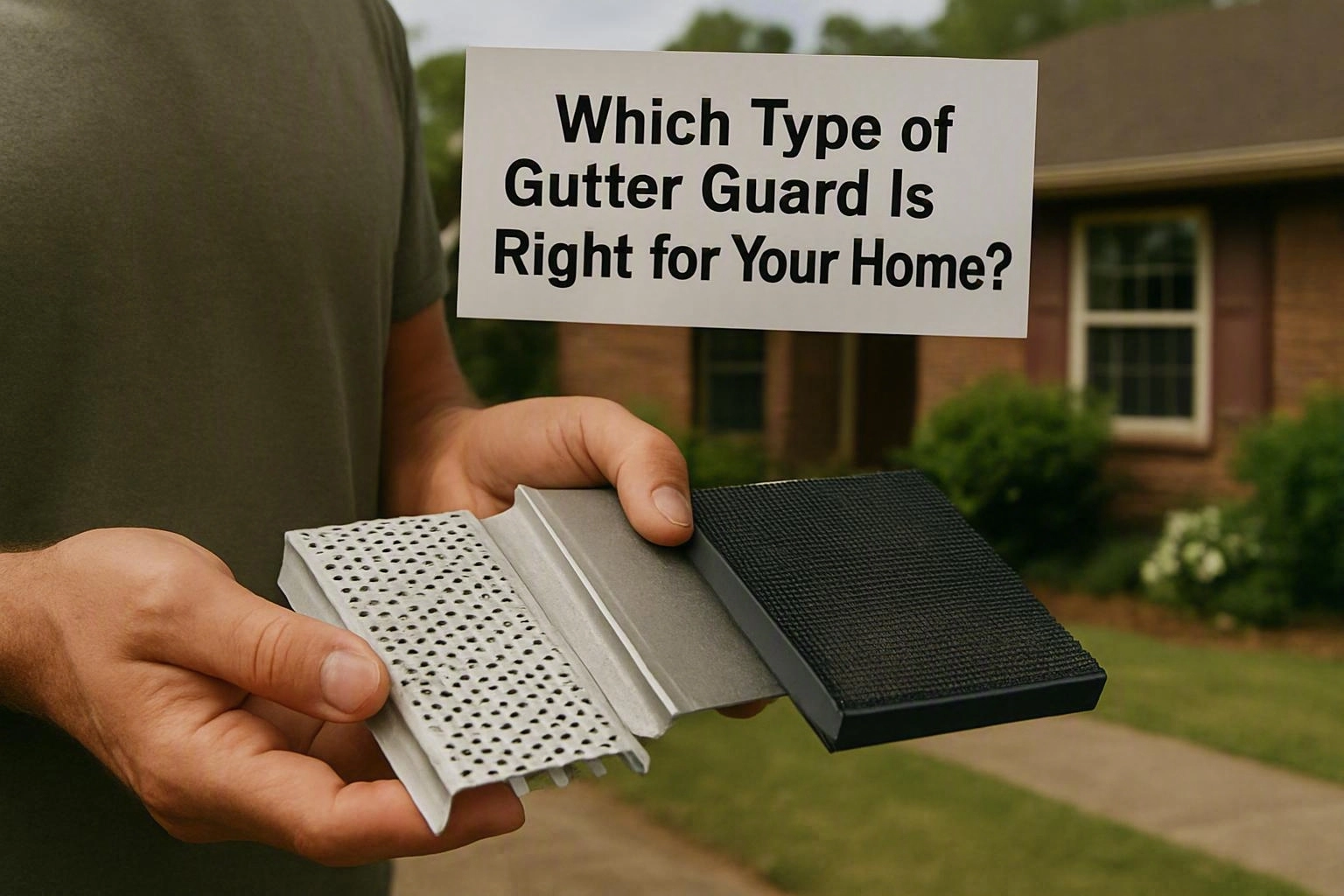
Best for: homes with pine trees, roof grit, or other fine debris that can pass through wider openings.
Are Micro-Mesh Gutter Guards Better Than Screens?
Micro-mesh gutter guards are better for filtering fine debris, while gutter screens can suit homes that mainly need protection from larger leaves and simple access. Neither design is the right fit for every roof.
Micro-mesh can reduce pine needles and roof grit entering the gutter, but surface debris may still need removal. Screens can offer easier cleaning access, although wider openings may allow more fine material into the gutter.
Which Gutter Guard Is Easiest to Clean?
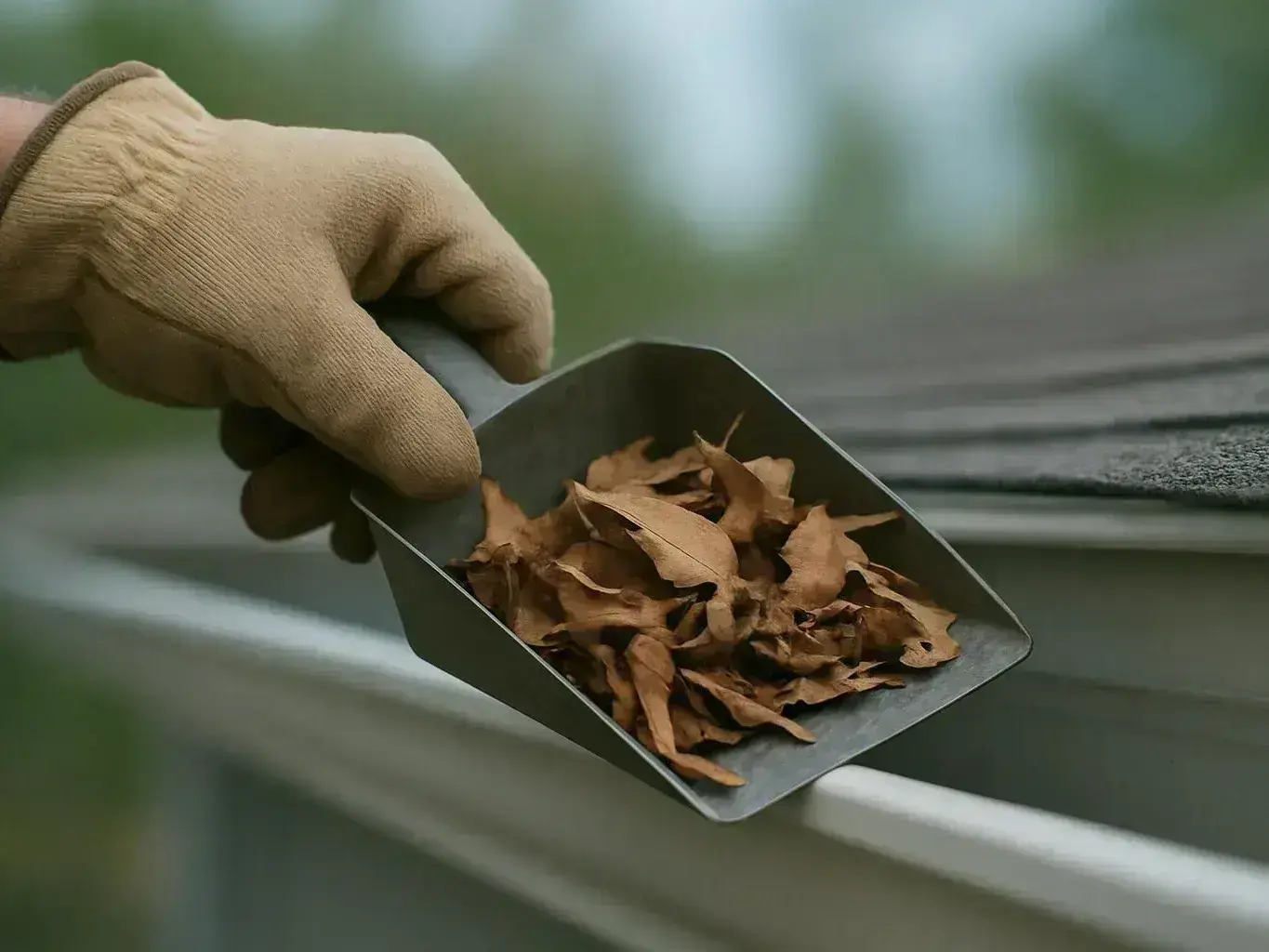
Gutter screens and accessible surface-style guards are generally easier to clean because debris can be removed from the top without removing the guard. Cleaning access still depends on roof layout and safe ladder access.
Gutter guard cleaning should include the guard surface, mesh openings, gutter edge, and downspout path. We review roof maintenance needs so debris removal does not damage the guard or gutter.
Do Gutter Guards Work With Existing Gutters?
Yes, gutter guards can work with existing gutters when the gutters are properly attached, correctly sloped, and suitable for the selected guard system.
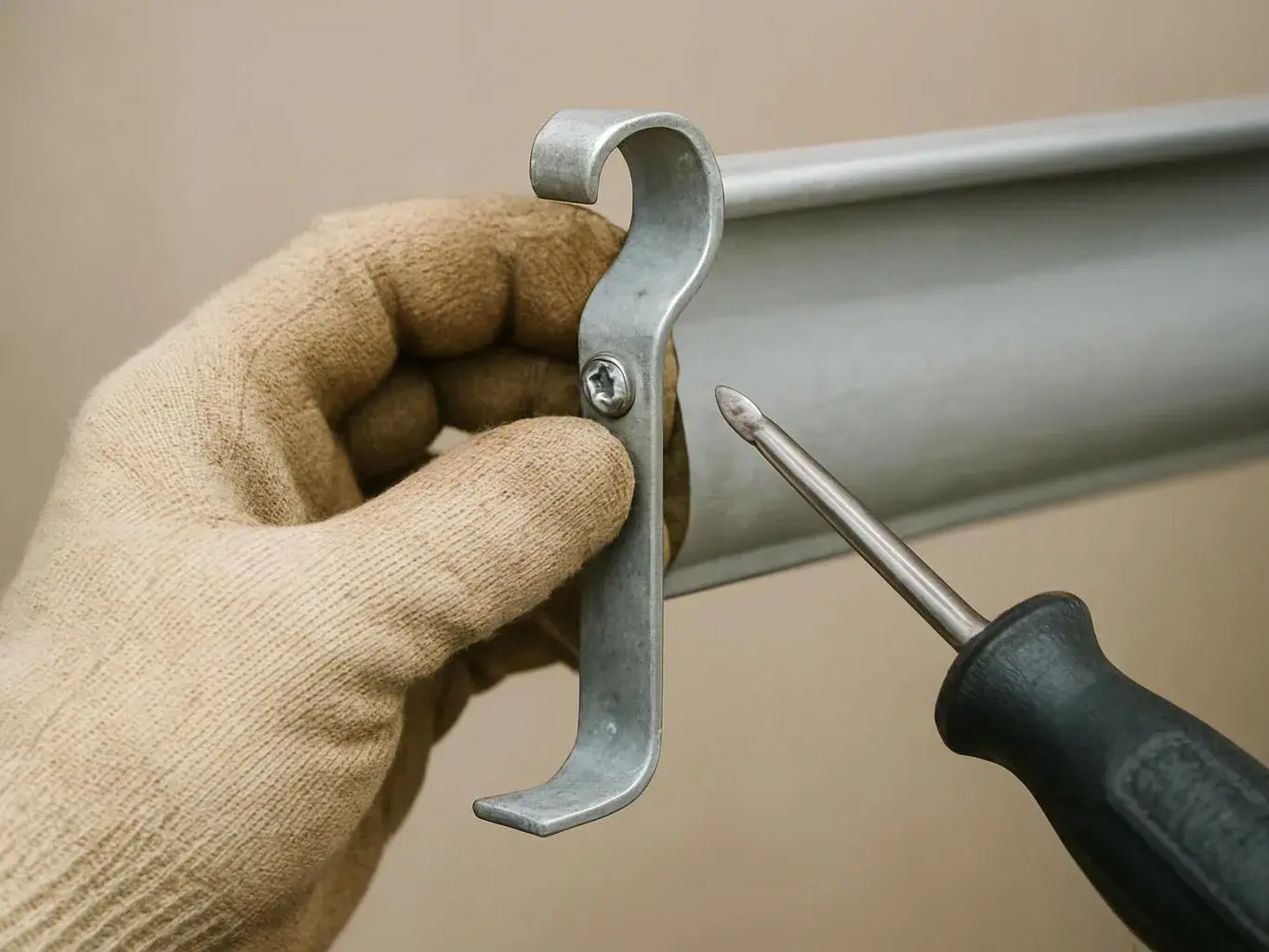
We inspect gutter condition, fascia, gutter slope, downspouts, and guard attachment points before installation. Damaged or poorly sloped gutters may need attention so the guard does not hide a drainage problem.
Our team can explain whether Gutter Guard Installation fits the current system.
How We Match a Gutter Guard to Your Home
AGM Gutters matches gutter guards to the roof, debris, gutter condition, and maintenance needs we see on the home. Our process keeps the selection tied to real drainage conditions.
How to Choose a Gutter Guard
The right choice comes from matching the guard to the roof drainage system, not from choosing one design for every home. Use these checks when reviewing the installation plan.
What Changes the Cost of Your Gutter Guard Project?
Gutter guard project cost depends on the guard material, gutter condition, roof access, required repairs, downspout condition, and installation complexity. Different systems also need different attachment methods and preparation.
We review the project before giving an exact quote. AGM Gutters provides Free Estimates Available after reviewing the gutters, roof edge, debris load, and selected guard system.
When Should You Choose Gutter Cleaning Instead?
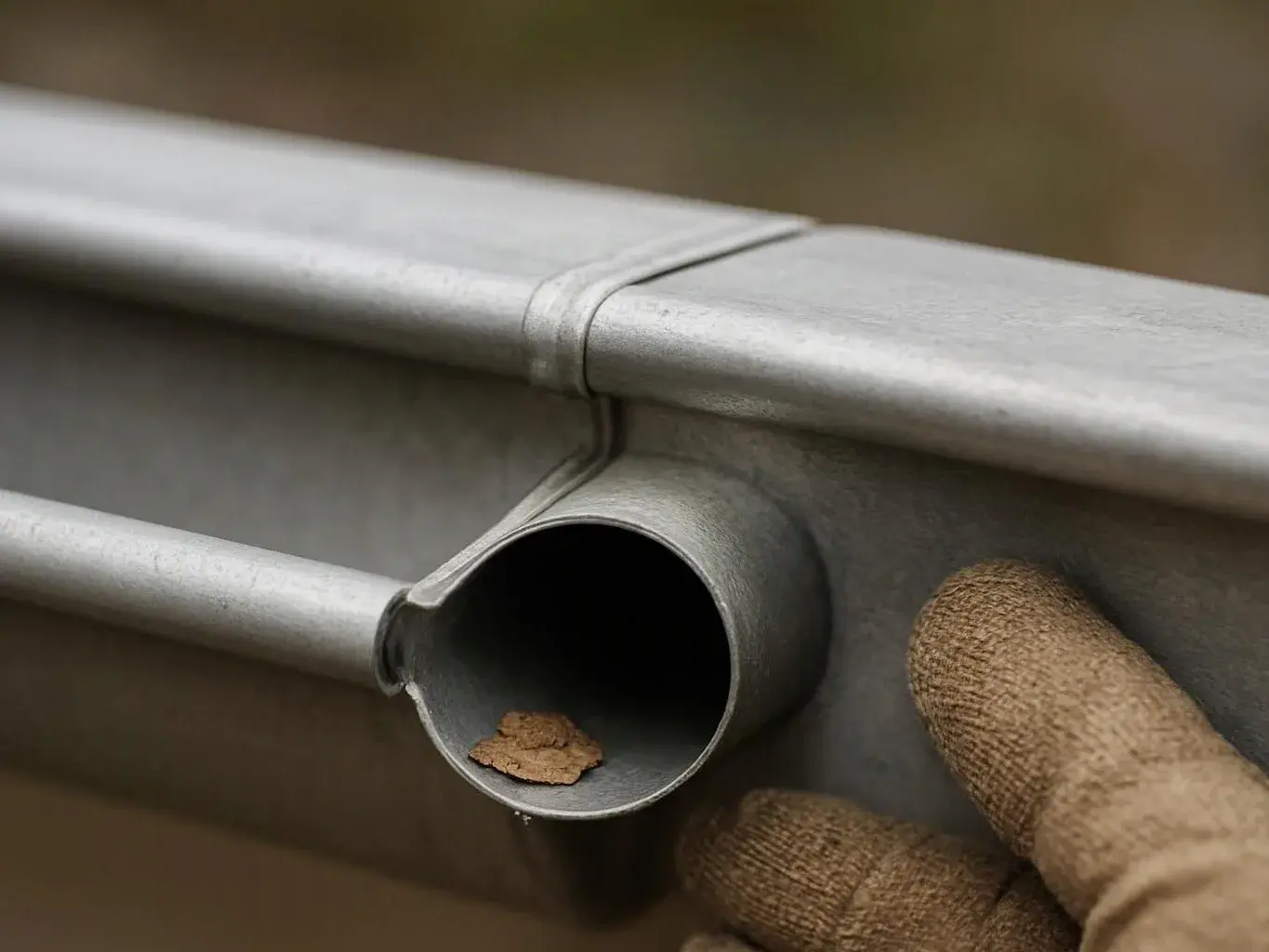
Gutter cleaning is the better first step when existing gutters are blocked, damaged, or not ready for a guard installation. Standing water, downspout blockage, and heavy roof debris can point to a drainage problem that should be addressed first.
We clear the gutter channel and downspouts before recommending guard work when buildup prevents a fair inspection. Our team can then review whether the gutter condition supports a guard system.
When cleaning is the right starting point, our Gutter Cleaning service helps prepare the system for review.
Questions About Choosing Gutter Guards
What is the difference between a gutter guard and a gutter screen?
AGM Gutters uses gutter guard as the broad term for systems that limit roof debris in a gutter, while a gutter screen is one type with open spaces that block larger debris. Micro-mesh, reverse-curve guards, and brushes are other guard designs.
Can gutter guards stop pine needles?
Micro-mesh gutter guards are usually the strongest fit for limiting pine needles because their fine openings filter smaller debris. We still check the guard surface and water path because pine needles can collect on top of any system.
Do gutter guards eliminate gutter cleaning?
Gutter guards do not eliminate all gutter maintenance because roof debris can collect on the guard surface, at edges, or near downspouts. We match the guard to the debris and explain the cleaning access it will need.
Can gutter guards be installed on damaged gutters?
Gutter guards should not cover damaged or poorly supported gutters without addressing the gutter condition first. We inspect the gutter channel, fascia, slope, fasteners, and downspouts before planning the installation.
Should gutters be cleaned before installing gutter guards?
Yes, gutters should be cleaned before installing gutter guards when debris blocks the channel or downspouts. AGM Gutters clears the system when needed so we can inspect the gutter condition and plan a suitable guard installation.
Choose the Right Gutter Protection for Your Home
Gutter guard selection should reflect your roof pitch, debris, gutter condition, and preferred maintenance access. AGM Gutters reviews those factors and provides a clear plan for the right system.
Contact AGM Gutters for an estimate and let our team review your gutter guard needs.