Why Your Downspout Isn’t Draining and What to Check
A blocked or poorly connected downspout may stop drainage. AGM Gutters checks the full drainage path and repairs the underlying problem.
3 years of local experience
Get a Free Estimate
Why Is My Downspout Not Draining?
A downspout is not draining when water cannot move from the gutter through the downspout and out through the discharge point. AGM Gutters traces the path from the gutter outlet to the drainage outlet to locate the restriction.
Rainwater may stop at a clog, a loose connection, or a damaged section. Water can also back up when the downspout connects to a blocked buried line. We check the full gutter drainage component before choosing a repair.
What Signs Show That a Downspout Is Clogged?
A clogged downspout often shows problems in the gutter, near the discharge point, or around the foundation. These signs help identify whether the blockage is accessible or may be below ground.
One sign may point to an accessible clog, while several signs can show a wider drainage restriction. We inspect the connected sections before flushing or opening a buried drain.
What Common Problems Stop a Downspout From Draining?
Common drainage problems begin with debris or damage in the visible parts of the system. Our crew checks these parts first because they are easier to reach and can explain water backing up.
Roof granules and small debris can move through the gutter and collect at bends. We match the repair to the location of the restriction, from accessible cleaning to downspout repair or downspout installation.
How Can You Check a Downspout Safely?
You can check visible parts of a downspout safely from the ground or from a stable, properly placed ladder. Do not climb when the surface is wet, unstable, or beyond your comfort level.
A hose test can show whether water moves through the visible pipe, but it may not clear a buried drain. We stop the test if water rises at the gutter or backs up near the foundation.
Why Does a Downspout Overflow at the Top?
A downspout overflows at the top when water reaches the gutter outlet faster than the restricted downspout opening or drainage line can carry it away. AGM Gutters checks the downspout inlet and gutter outlet for debris blockage first.
Overflow can also relate to gutter slope, a blocked elbow, or a buried drain that cannot accept water. We follow the rainwater flow from the gutter into the discharge route to separate a gutter problem from a downspout problem.
Can a Buried Downspout Line Be Clogged?
Yes, a buried downspout line can be clogged when debris, soil, roots, or a damaged pipe restricts the underground drainage route. A buried downspout line may look connected above ground while water remains trapped below.
Signs include water pooling near the buried route, slow discharge, soil erosion, or water backing up at the gutter. We inspect the accessible connection and outlet before recommending work on the underground drainage pipe.
How Can You Prevent Downspout Drainage Problems?
Regular care helps keep leaves and roof debris from reaching the drainage path. Our team can review the gutter and downspout together so prevention addresses the full system.
Prevention works best when the outlet and any buried drain remain open. We check water discharge after service so the extension and drainage outlet work together.
When Does a Downspout Need Repair or Replacement?
A downspout needs repair or replacement when cleaning does not restore flow or when separated joints, crushed sections, damaged outlets, or poor drainage connections keep redirecting water. AGM Gutters identifies the failed part before recommending downspout repair or downspout installation.
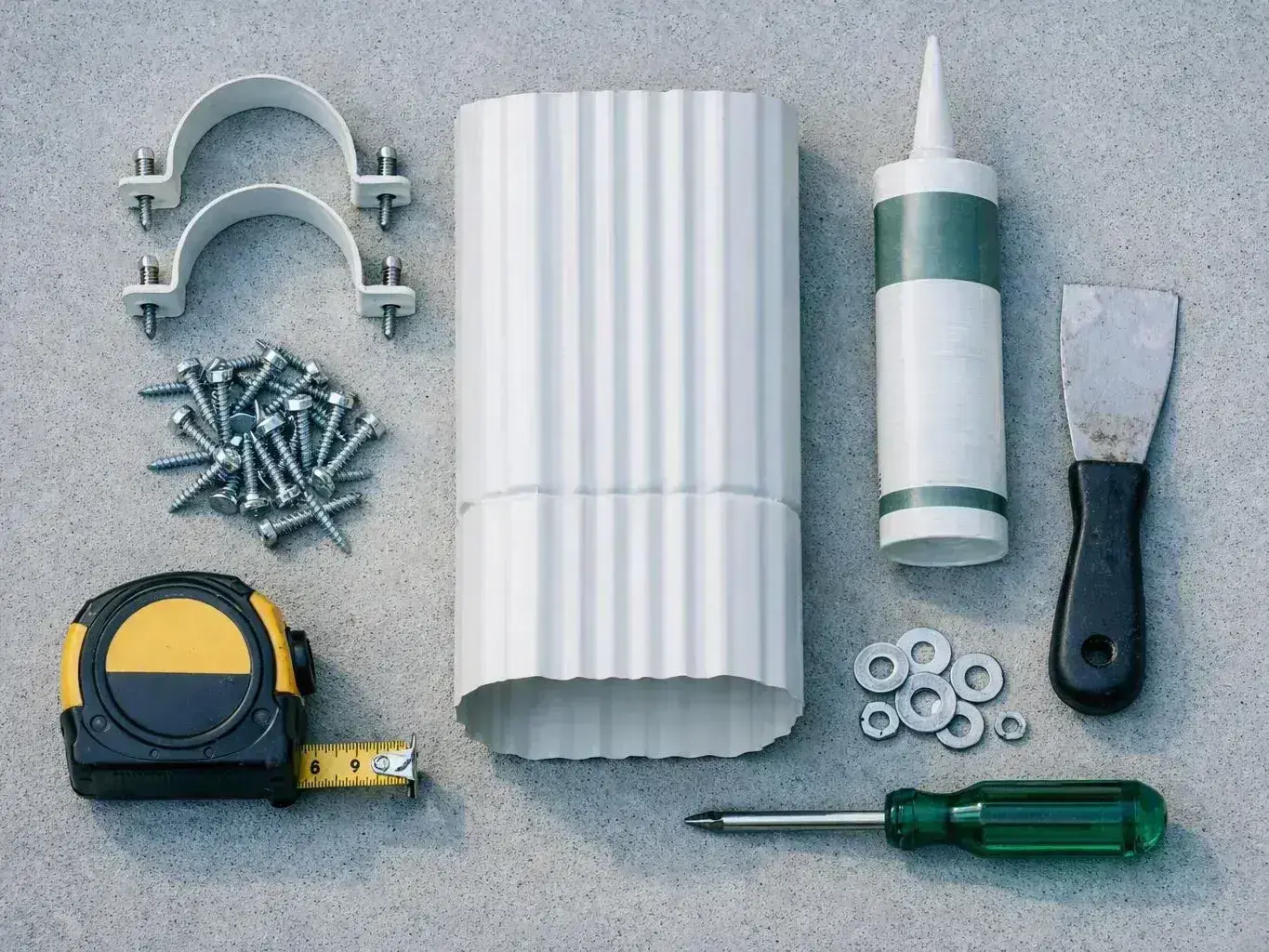
Separated joints may need new connections or fasteners. A crushed pipe, loose extension, or damaged discharge point may need a replacement section so water leaves the system safely.
The work needed depends on the pipe condition, the connection points, and whether the problem continues below ground. We explain what the estimate covers and provide a quote after checking the drainage path.
Downspout Repair can address visible damage, while Downspout Installation may be the better fit when the existing route cannot carry water properly.
How AGM Gutters Can Restore Downspout Drainage
AGM Gutters checks the gutter outlet, downspout sections, extensions, and accessible drainage route before recommending the work needed to restore proper water flow. We look for the cause of the blockage instead of treating only the visible overflow.
Our work may include gutter cleaning, downspout repair, downspout installation, gutter guard installation, or a drainage inspection. We connect the finding to the service so you can see why the work is needed.
Free Estimates Available. Contact AGM Gutters to arrange an inspection and receive a quote based on the drainage path, pipe condition, and required work.
Contact AGM Gutters about a downspout that is not draining.
Questions About Downspout Drainage
Should I remove a downspout blockage myself?
AGM Gutters recommends removing only loose, visible debris that you can reach safely from the ground. Our crew checks blocked elbows, damaged sections, and buried lines when a simple clearing does not restore water flow.
Why is water coming out of the seam in my downspout?
Water comes out of a downspout seam when the joint is separated, loose, or blocked below the connection. We inspect the seam and the connected section to determine whether the joint needs repair or replacement.
What should happen to water after it leaves the downspout?
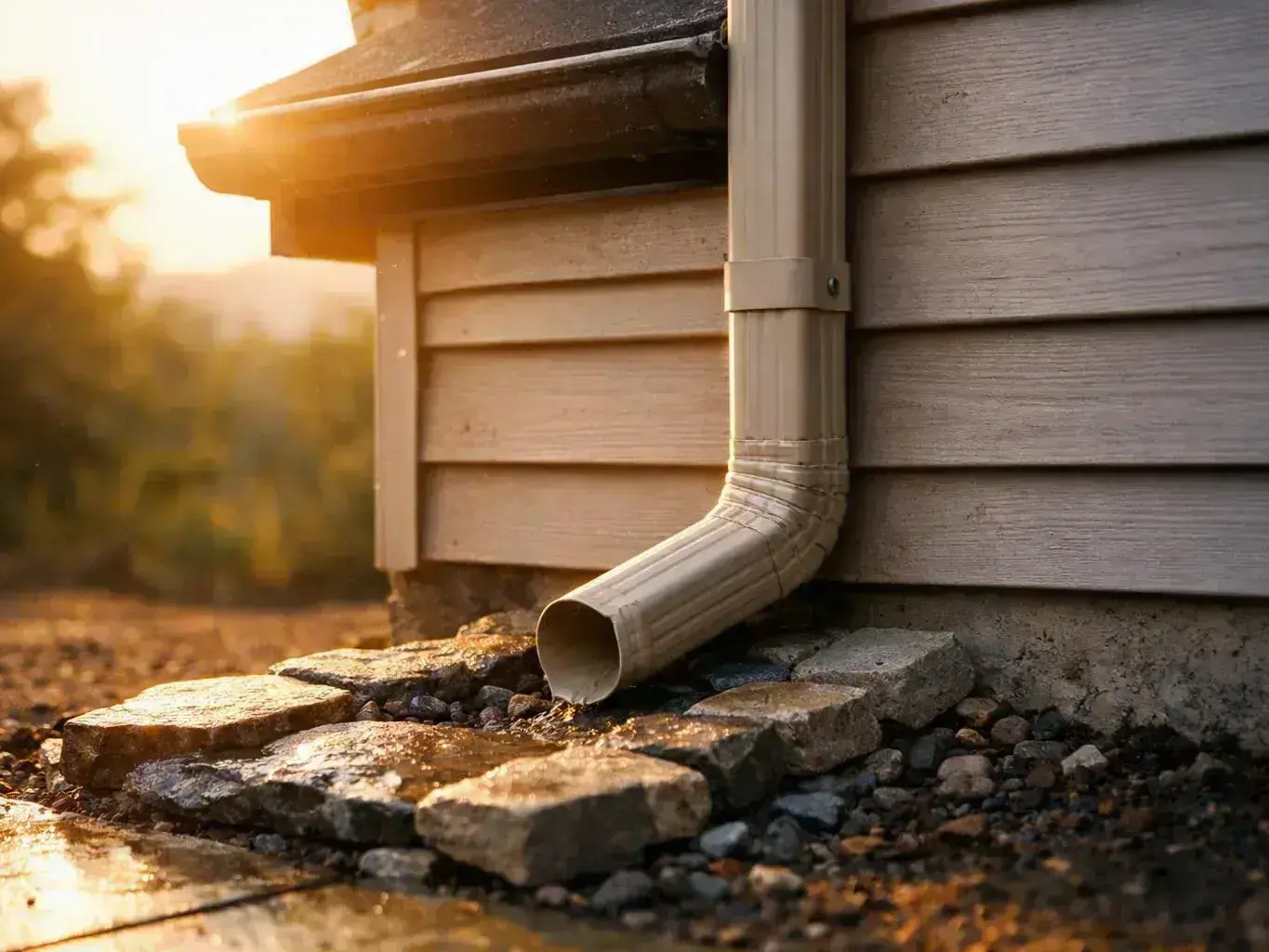
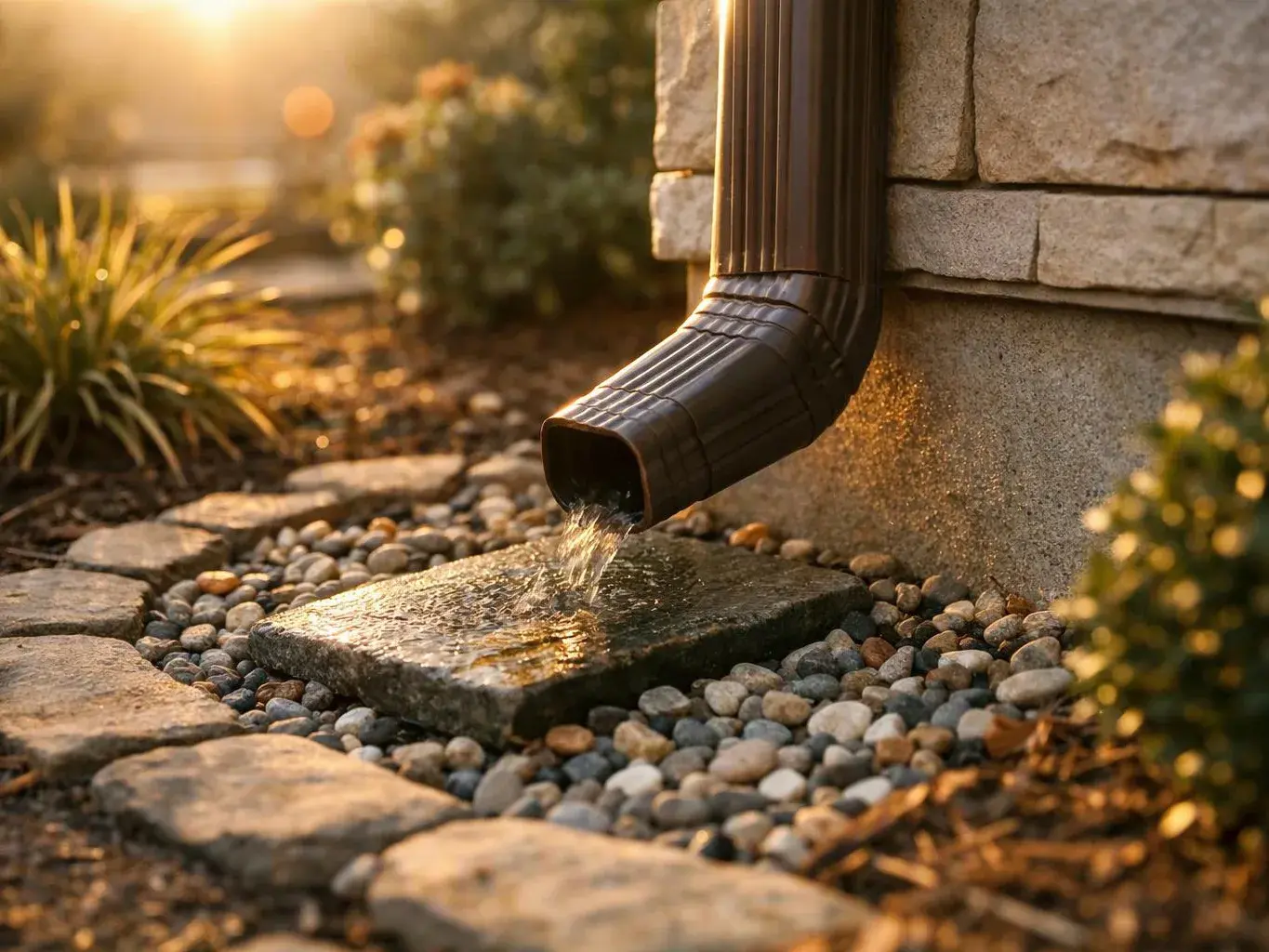
Water should leave the downspout through a clear extension or drainage outlet and move away from the foundation. We check the discharge route for pooling, soil erosion, and connections that redirect water toward the home.