How is seamless gutter sizing matched to the property before work starts?
Rainfall intensity guides the first sizing check, along with roof area, pitch, gutter width, and downspout capacity. AGM Gutters reviews those parts before planning the system. The roof edge and discharge path also matter. A gutter run needs enough room for incoming water, while each downspout must carry water away from that run.
What should I ask before agreeing to seamless gutter installation?
The estimate should explain the gutter layout, downspout locations, guard options, and related repairs. Ask which roof areas feed each run and where water will discharge. We also discuss the roof edge and drainage needs before work begins. That gives you a clear scope for the planned installation.
Which property condition changes the time needed for installation?
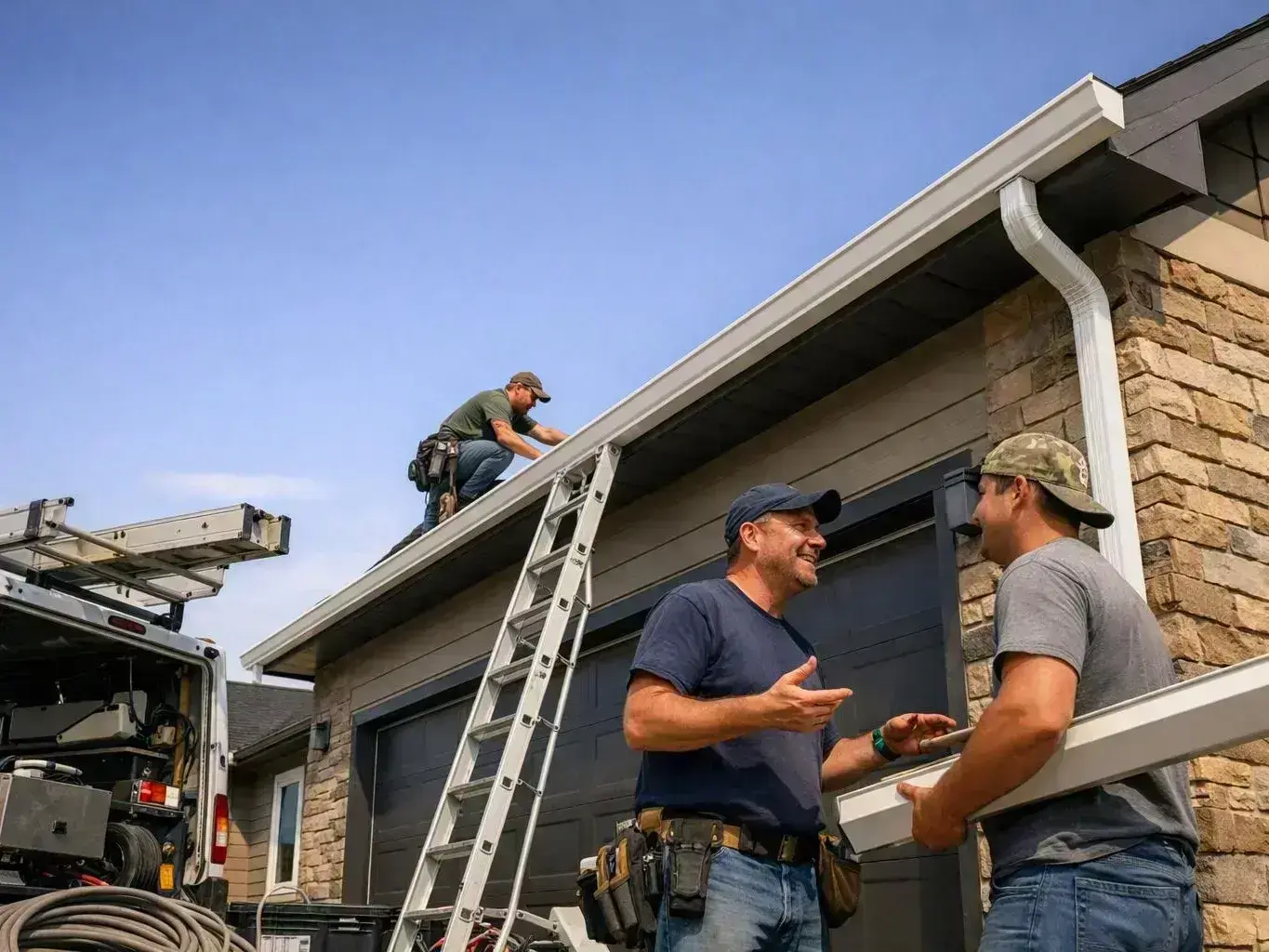
Roofline shape and access can change the work time. Fascia damage, old gutter removal, blocked outlets, and difficult downspout paths also affect the scope. We check those conditions before setting the work plan. A simple roof edge and a complex roof edge do not require the same steps.
What is the difference between seamless and sectional gutters?
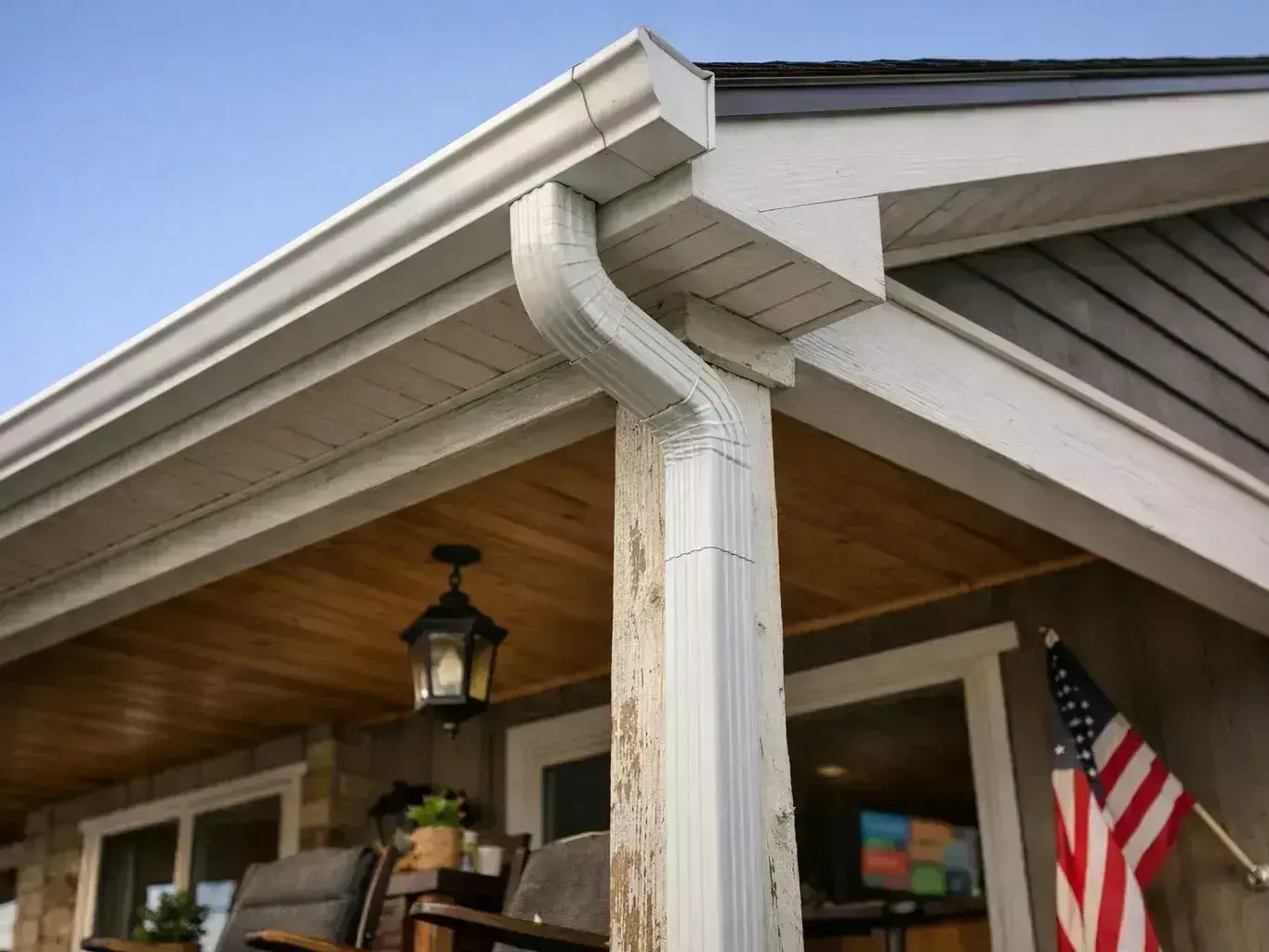
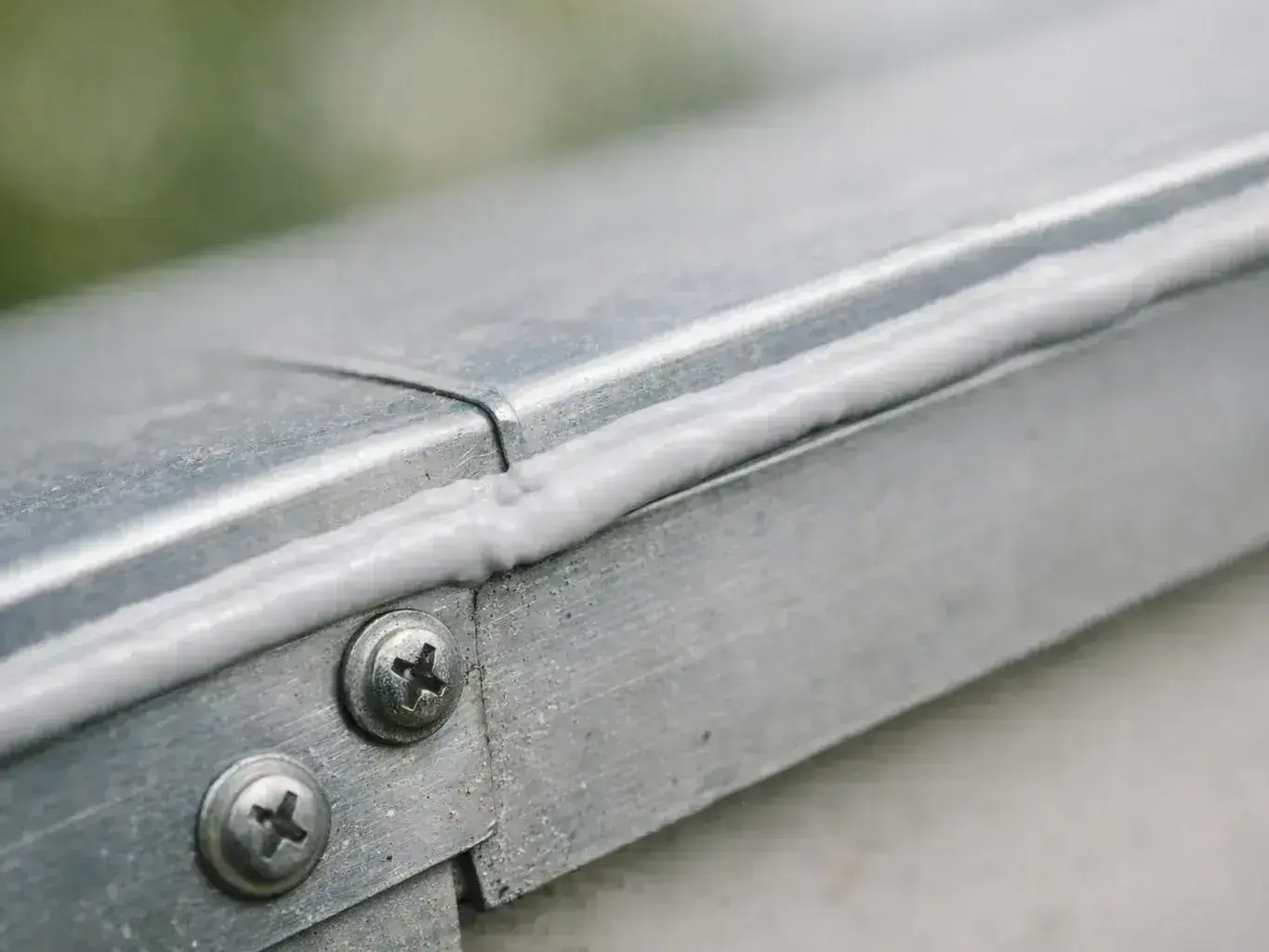
Seamless gutters use longer formed runs with fewer joints, while sectional gutters join smaller pieces along the roof edge. We plan seamless runs around corners, outlets, and downspouts. The choice also depends on the roofline, access, and the condition of the fascia.
Can gutter guards be added with new gutters?
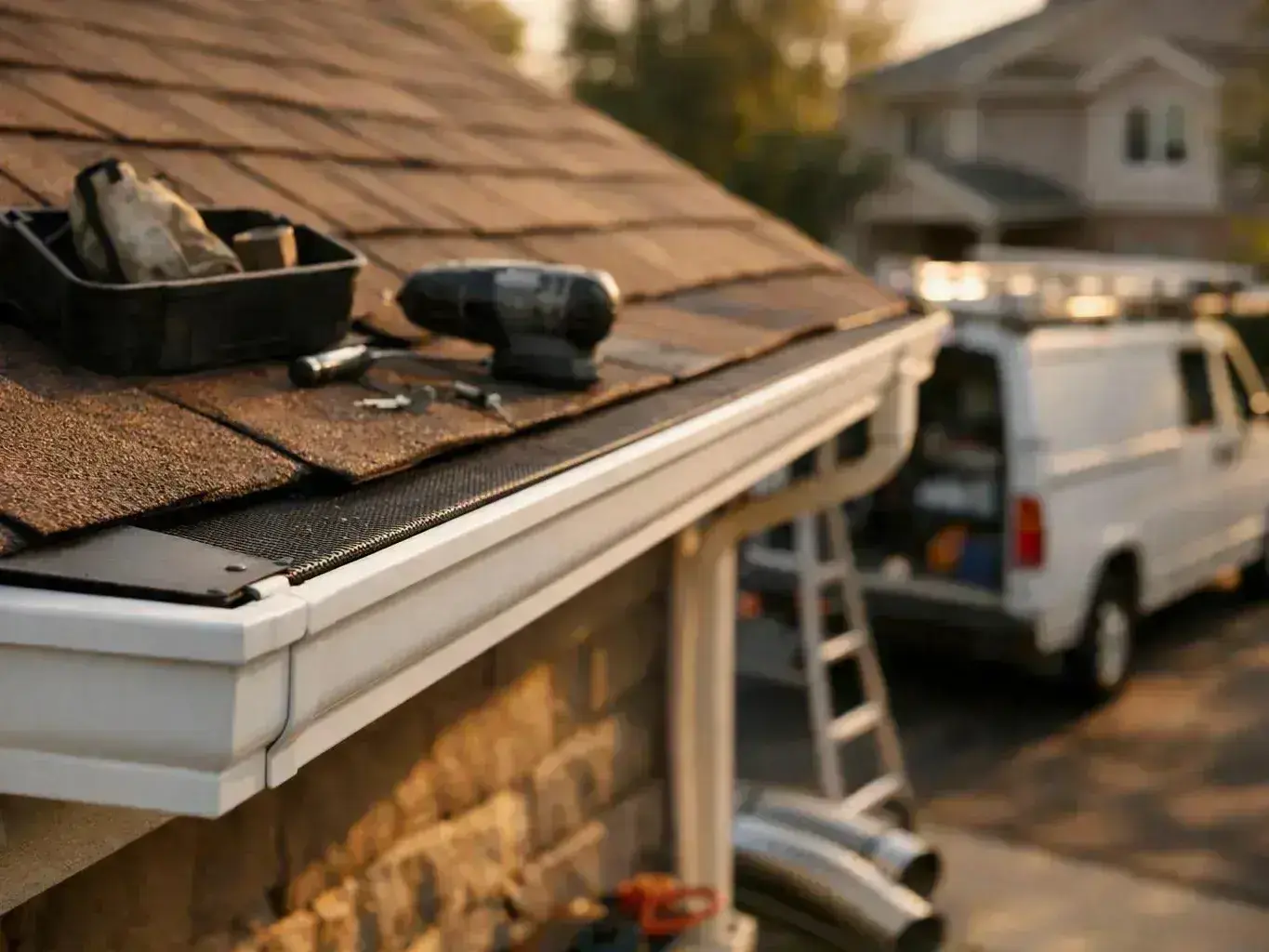
Gutter guards can be added when the planned gutter system supports them. We check the roof edge, guard fit, downspout openings, and debris paths. Guards help reduce leaves and pine needles, but they don't remove the need for upkeep. The estimate can include this added protection.
How should I prepare for a gutter estimate?
Property access and a clear view of the roof edge help us review the job. Note where water spills, where gutters sag, and where downspouts discharge. Photos can also help explain the issue before the visit. We then check the roofline, drainage path, and related gutter parts.
Why might a gutter need replacement instead of repair?
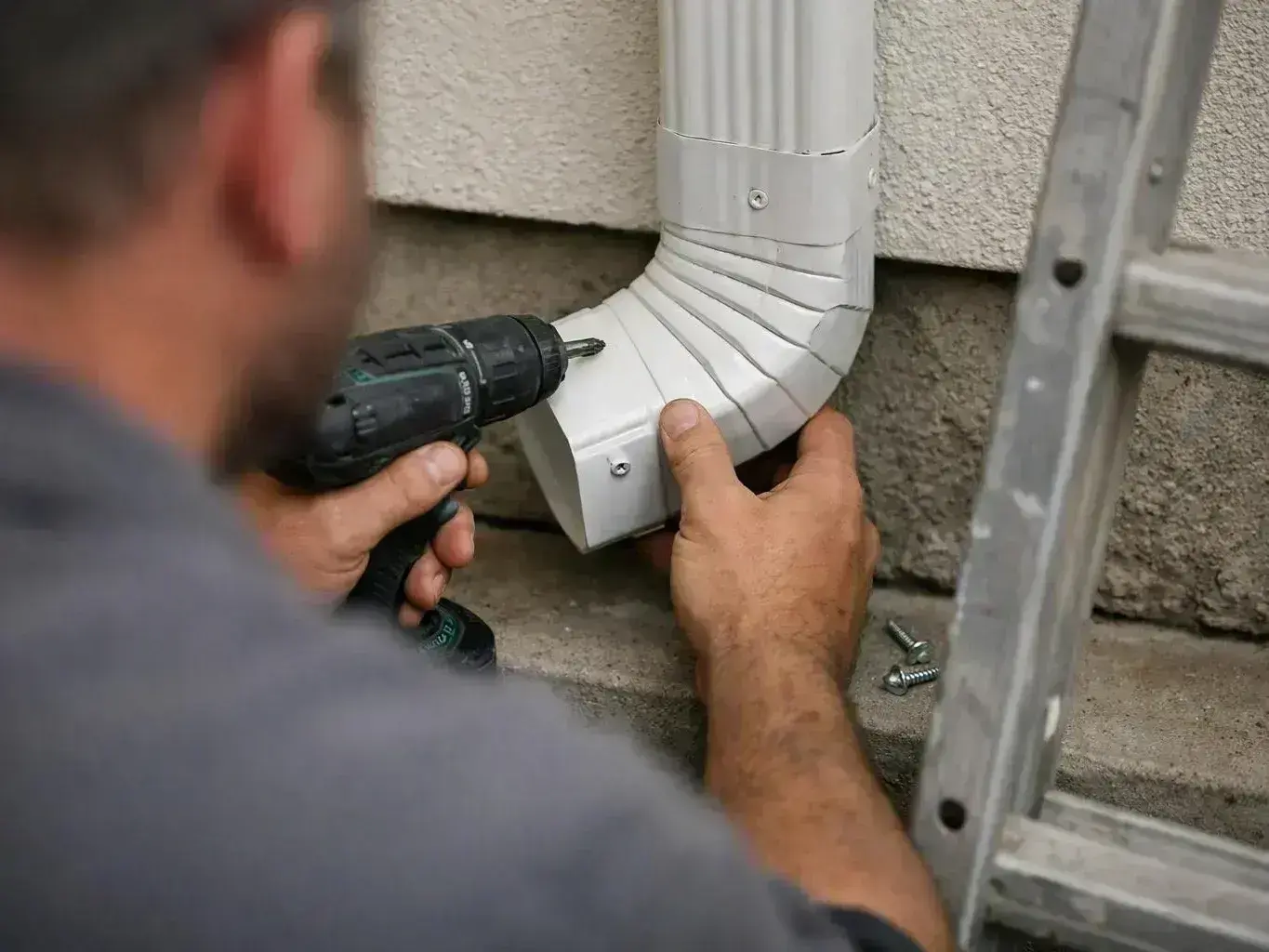
Replacement fits when gutter runs have broad damage, poor sizing, or a layout that no longer serves the roof. We inspect joints, outlets, fasteners, fascia, and downspouts first. Small damage may call for repair. A full system review helps separate a local defect from a larger drainage problem.